Three Michelin‑Starred Chefs Unite for Six‑Hand Dinner at Manila’s City of Dreams

Why It Matters
The six‑hand dinner illustrates how Michelin recognition is being leveraged to boost culinary tourism in emerging markets. By uniting three star‑rated chefs under one roof, City of Dreams not only creates a headline‑grabbing event but also showcases Manila’s capacity to host world‑class dining experiences, potentially reshaping the city’s reputation on the global gastronomic map. The pricing strategy signals confidence in the spending power of affluent Asian travelers, while the collaborative format may inspire similar high‑profile partnerships across the region, driving competition among luxury resorts to secure top culinary talent. Moreover, the event aligns with broader economic goals: increased visitor spend, higher occupancy rates for hotels, and heightened media exposure for the Philippines’ hospitality sector. As the country seeks to diversify its tourism offerings beyond beaches and heritage sites, high‑end food experiences like this could become a pivotal pillar of its growth strategy.
Key Takeaways
- •Three Michelin‑starred chefs—Kelvin Au Yeung, Otto Wong, Chan Choo Kean—collaborate on a six‑hand dinner.
- •Event takes place on April 11 at Crystal Dragon, City of Dreams Manila.
- •72‑seat tasting menu priced at PHP 11,888 (~$216) per guest; optional wine pairing adds PHP 2,500 (~$45).
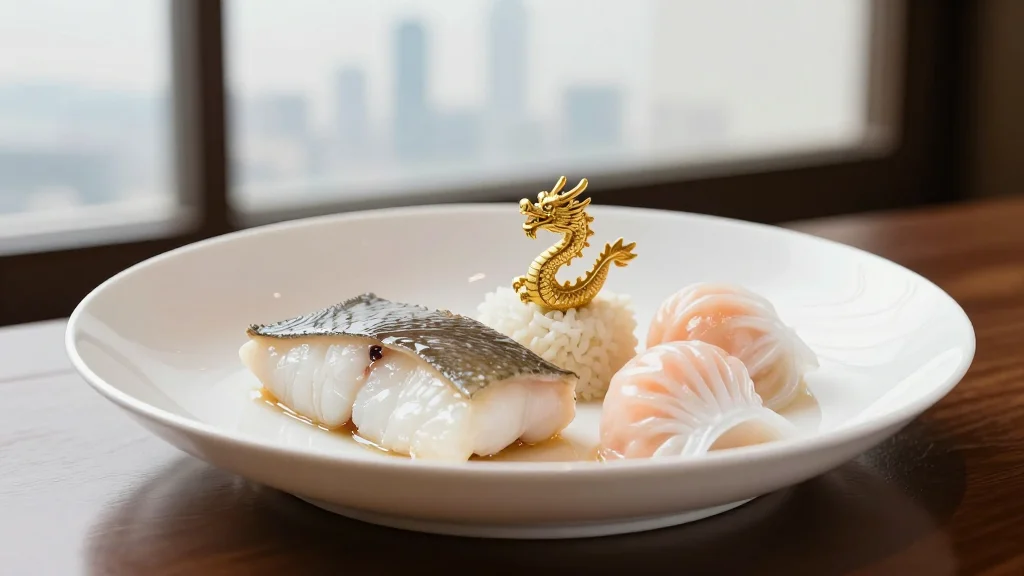
- •Menu features Cantonese classics such as fish‑maw soup, black‑truffle crab, Australian lobster, and chocolate calamansi dessert.
- •Potential revenue exceeds $15 million if fully booked, underscoring the financial pull of Michelin‑starred collaborations.
Pulse Analysis
Melco Resorts’ decision to stage a six‑hand dinner is a calculated gamble that taps into the growing appetite for experiential luxury among Asia’s affluent travelers. Historically, Michelin stars have been a magnet for high‑spending diners, but the concentration of three star‑rated chefs in a single night amplifies that effect, creating a scarcity‑driven demand curve. The $216 price point is deliberately positioned to attract both local elites and international tourists who view fine dining as a status symbol and a cultural experience.
From a competitive standpoint, the event forces other integrated resorts in the region—such as Resorts World Manila and the newly opened Shangri‑La at the Mall of Asia—to reconsider their culinary strategies. If the dinner sells out quickly, it will likely trigger a wave of similar collaborations, potentially leading to a crowded calendar of chef‑centric events. This could dilute the exclusivity factor unless venues differentiate through unique concepts, such as farm‑to‑table sourcing or immersive storytelling.
Looking ahead, the success of "The Dragons’ Ascent" could pave the way for a permanent culinary platform within City of Dreams, perhaps a rotating chef‑in‑residence program that keeps the brand fresh year‑round. For the broader Philippine food ecosystem, the event signals a shift toward high‑end gastronomy as a driver of tourism revenue, complementing traditional culinary festivals. Stakeholders—from local producers supplying premium ingredients to travel agencies curating luxury itineraries—stand to benefit if the momentum is sustained. However, the venture also carries risk: if ticket sales fall short, the high fixed costs of sourcing Michelin‑starred talent could erode profit margins, prompting a reassessment of price elasticity in the market.
Three Michelin‑Starred Chefs Unite for Six‑Hand Dinner at Manila’s City of Dreams
Comments
Want to join the conversation?
Loading comments...