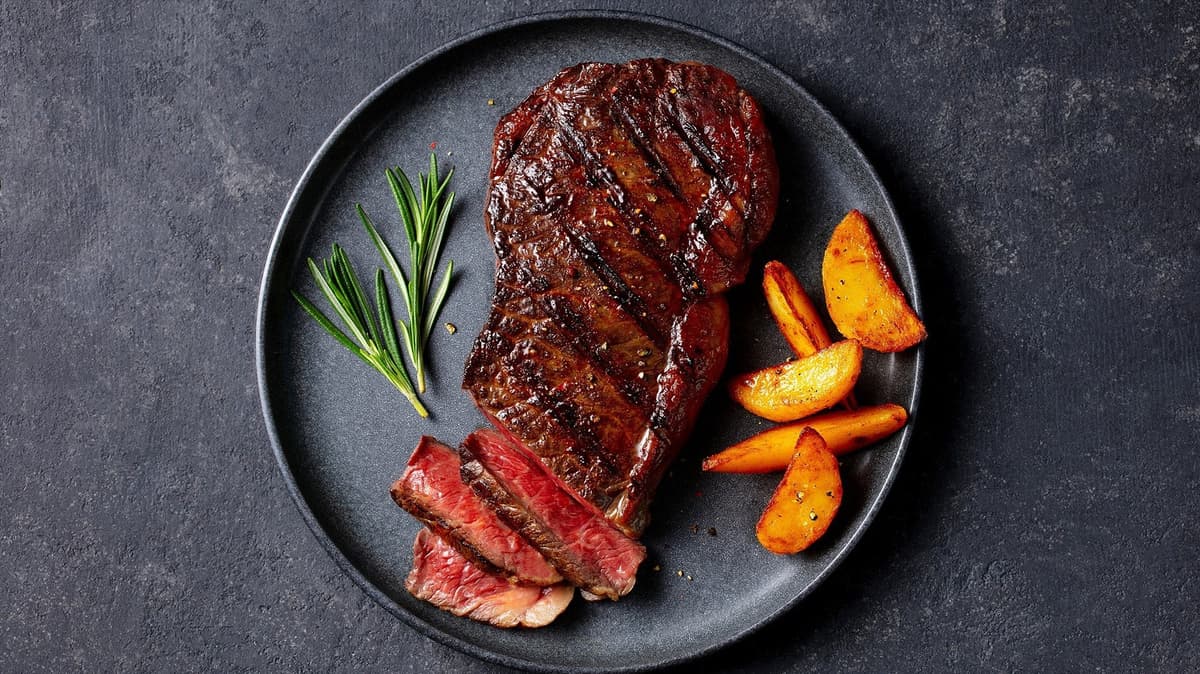
Turn Off Your Oven: For Juicier Prime Rib, Reach For This Kitchen Appliance Instead
Why It Matters
The technique broadens the slow cooker’s appeal, driving demand for versatile kitchen appliances and giving consumers a cost‑effective way to prepare premium cuts at home.
Key Takeaways
- •Slow cookers break down collagen, yielding exceptionally juicy prime rib
- •Sear the roast first for caramelized crust and moisture retention
- •Monitor internal temperature: 120 °F rare, 130 °F medium‑rare, 140 °F medium
- •Rest the meat 30 minutes to evenly distribute flavors
Pulse Analysis
The rise of home‑cooking culture has turned once‑exclusive cuts like prime rib into attainable weekend projects. While ovens remain the default, the slow cooker’s steady, low heat offers a compelling alternative that aligns with today’s convenience‑driven consumers. By trapping steam and maintaining a uniform temperature, the appliance gently dissolves connective tissue, producing a texture that rivals high‑end restaurant kitchens. This shift not only expands the culinary toolkit for amateur chefs but also fuels a broader market trend toward multipurpose appliances that can handle both everyday meals and special‑occasion dishes.
From a culinary science perspective, the low‑and‑slow approach leverages collagen breakdown, a process that transforms tough muscle fibers into gelatin, resulting in a tender, juicy roast. Pre‑searing creates a Maillard crust that seals surface moisture and adds depth of flavor, while precise temperature monitoring—120 °F for rare, 130 °F for medium‑rare, and 140 °F for medium—ensures the meat reaches the desired doneness without overcooking. The final 30‑minute rest is critical; it allows juices to redistribute, preventing a dry slice and delivering a consistent mouthfeel throughout the roast.
For appliance manufacturers and retailers, promoting the slow cooker as a prime‑rib solution opens new revenue streams. Marketing campaigns that highlight the method’s efficiency, flavor benefits, and space‑saving advantages can attract both seasoned cooks and novices. Additionally, recipe developers can create complementary side‑dish bundles that utilize freed oven capacity, further driving cross‑selling opportunities. As consumers continue to seek restaurant‑quality results at home, the slow cooker’s role in premium meat preparation is poised to grow, reinforcing its position as a staple in modern kitchens.
Turn Off Your Oven: For Juicier Prime Rib, Reach For This Kitchen Appliance Instead
Comments
Want to join the conversation?
Loading comments...