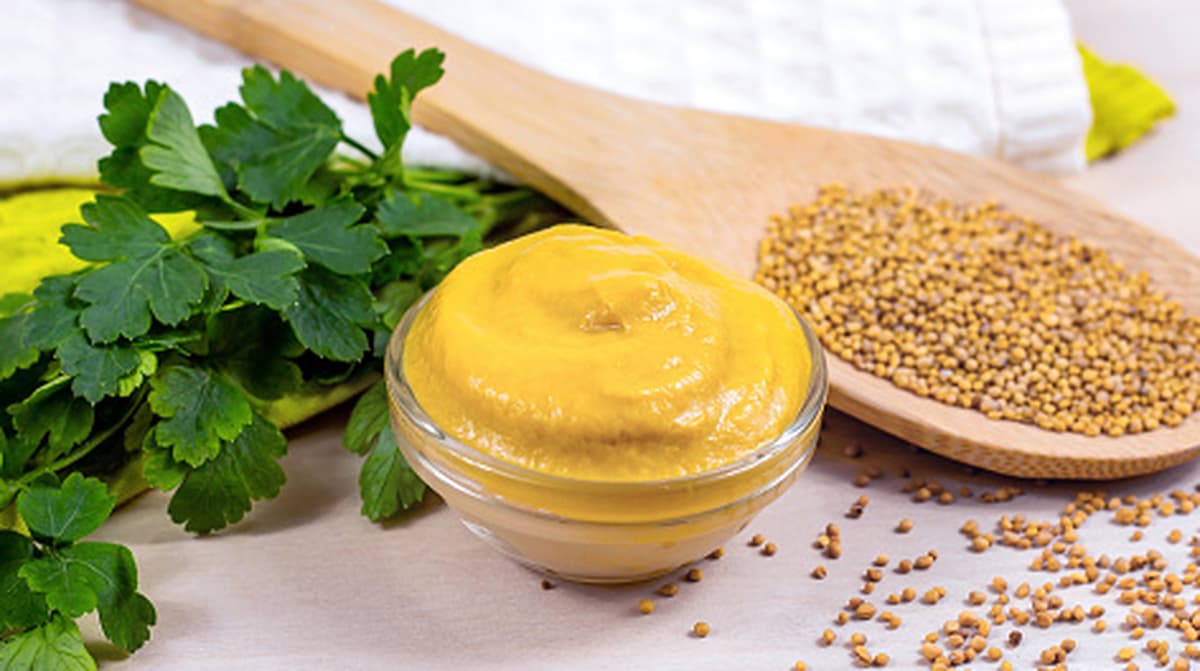
Turn Yellow Mustard Into Your Own DIY Dijon With A Few Pantry Ingredients
Why It Matters
Home‑made Dijon offers a low‑cost, convenient alternative that appeals to budget‑conscious consumers and reduces reliance on packaged condiments. This DIY trend signals shifting consumer preferences toward ingredient transparency and kitchen self‑sufficiency.
Key Takeaways
- •Yellow mustard plus vinegar mimics Dijon tang.
- •Add horseradish or wasabi for authentic heat.
- •DIY Dijon reduces grocery trips and costs.
- •Traditional Dijon uses brown/black seeds and wine.
- •Home-made version works in sauces, dressings, sandwiches.
Pulse Analysis
The surge in do‑it‑yourself condiment recipes reflects broader consumer moves toward frugality and ingredient control. Shoppers increasingly scan grocery aisles for multi‑use staples, and a simple mustard conversion eliminates the need for a separate Dijon purchase. By repurposing a ubiquitous pantry item, households can cut food‑budget expenses by up to 30 percent while still delivering the sophisticated flavor profile expected in upscale dishes. This cost‑saving approach also aligns with the growing demand for sustainable, waste‑reduced cooking practices.
From a culinary chemistry perspective, the key to mimicking Dijon lies in balancing acidity, sweetness, and heat. White wine vinegar supplies the sharp tang that defines Dijon, while a pinch of sugar tempers the bite, creating a rounded palate. Incorporating horseradish or wasabi introduces the characteristic piquancy derived from brown or black mustard seeds in authentic recipes. Adjusting water levels ensures the final consistency matches the smooth, creamy texture that consumers associate with premium brands, making the homemade version a seamless substitute in dressings, marinades, and pan sauces.
For the mustard industry, the popularity of DIY alternatives presents both a challenge and an opportunity. Brands like Kraft Heinz, which own iconic labels such as Grey Poupon, may need to emphasize provenance, quality ingredients, and convenience to retain market share. Simultaneously, they can capitalize on the trend by launching “DIY kits” that bundle mustard seeds, vinegar, and spice blends, catering to the hands‑on consumer while reinforcing brand loyalty. As shoppers continue to seek value and authenticity, manufacturers that adapt their product lines and marketing narratives stand to benefit from this evolving condiment landscape.
Turn Yellow Mustard Into Your Own DIY Dijon With A Few Pantry Ingredients
Comments
Want to join the conversation?
Loading comments...