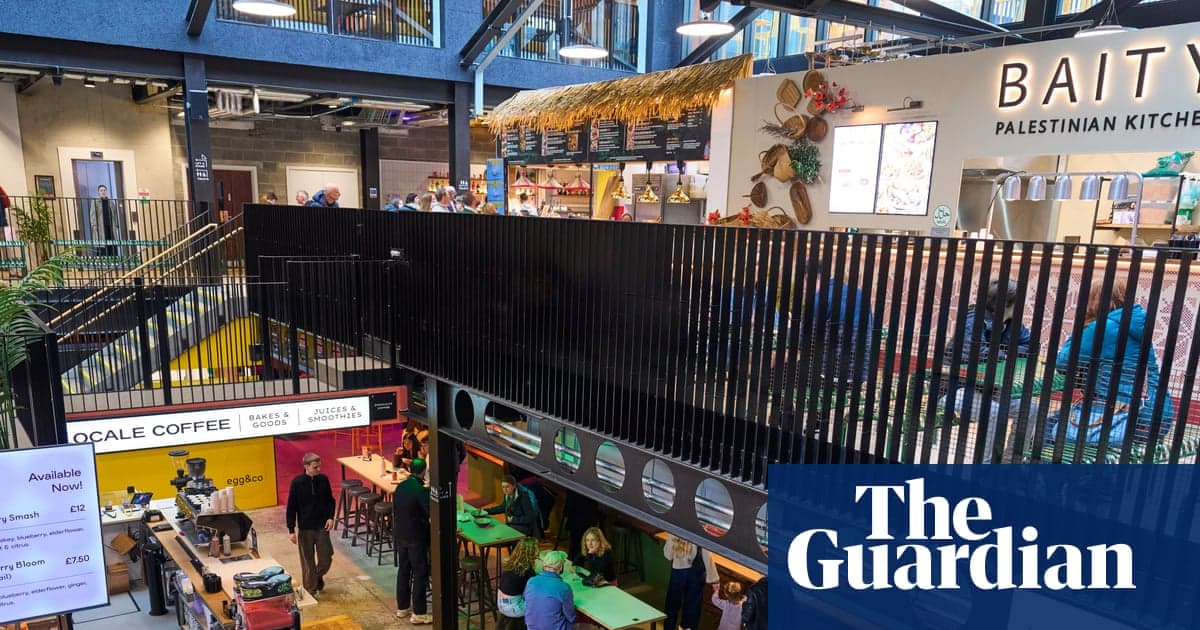
UK Food Halls Buck Downbeat Hospitality Trend: ‘In This Impossible Climate, They Shine Hope’
Companies Mentioned

Why It Matters
Food halls provide a resilient growth engine for the UK hospitality market, offering low‑cost entry for entrepreneurs while attracting cost‑conscious diners. Their expansion reshapes urban retail landscapes and creates scalable pathways for culinary brands.
Key Takeaways
- •Food halls generate ~$7 m revenue per venue annually
- •Year‑on‑year growth exceeds ten percent despite economic headwinds
- •Shared infrastructure lowers risk for emerging food entrepreneurs
- •Successful kiosks often graduate to standalone restaurants
- •65 new halls planned, indicating continued expansion potential
Pulse Analysis
The UK’s hospitality sector faces a perfect storm of higher energy bills, rising minimum wages and a cost‑of‑living squeeze that has forced many traditional restaurants to shutter. Food halls, however, have turned these challenges into opportunities by aggregating multiple vendors under one roof, spreading fixed costs such as utilities, staffing and point‑of‑sale systems. This economies‑of‑scale approach not only keeps prices competitive for diners but also cushions operators against volatile expenses, making the model especially attractive in today’s uncertain macro‑environment.
Beyond cost efficiencies, food halls act as incubators for culinary talent. Vendors can test concepts with minimal capital outlay, and successful stalls often secure the data and brand loyalty needed to launch full‑scale brick‑and‑mortar sites. Examples like Baity, a Palestinian chain, and Black Bear Burger illustrate how a modest kiosk can evolve into a multi‑city restaurant portfolio. The shared‑risk structure also encourages experimentation, leading to innovative hybrids such as sushi‑taco kiosks that blend Asian and Latin flavors, further enriching the consumer experience.
Looking ahead, the pipeline of 65 new halls—including a massive 60,000 sq ft venue in Newcastle—signals sustained investor confidence. Urban regeneration projects, like Sheffield’s Cutlery Works conversion, tie food‑hall growth to broader city‑center revitalisation, attracting both foot traffic and ancillary businesses. While market saturation could emerge in densely served areas, the flexibility of the food‑hall format and its proven resilience suggest it will remain a pivotal growth driver for the UK’s dining landscape for years to come.
UK food halls buck downbeat hospitality trend: ‘In this impossible climate, they shine hope’
Comments
Want to join the conversation?
Loading comments...