Vietnam’s Michelin Guide Hits 11 Stars, Bánh Mì Still Missing

Companies Mentioned
Why It Matters
The double‑digit star achievement positions Vietnam alongside other Asian culinary powerhouses, attracting high‑spending tourists and encouraging local talent to pursue fine‑dining ambitions. At the same time, the exclusion of bánh mì raises questions about how global rating systems value street food, potentially influencing policy decisions around food safety standards, vendor formalization and culinary education. If Michelin eventually embraces bánh mì, it could legitimize street‑food enterprises, unlock new financing channels, and inspire a wave of upscale sandwich concepts that preserve authenticity while meeting international criteria. Conversely, continued omission may reinforce a hierarchy that privileges formal restaurants over the vibrant informal sector that defines much of Vietnam’s food culture.
Key Takeaways
- •2026 MICHELIN Guide awards 11 one‑star restaurants, a first double‑digit count in Vietnam.
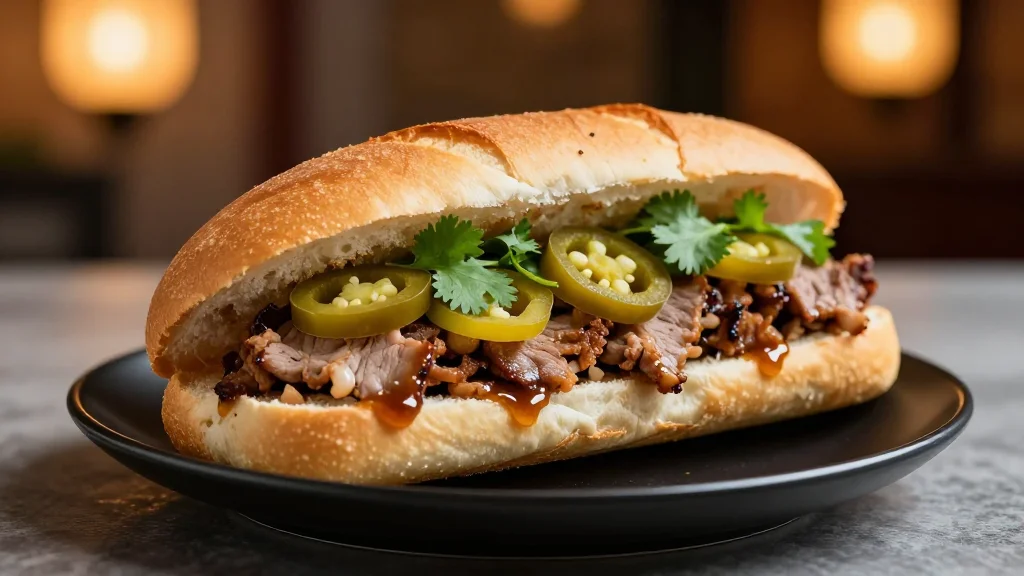
- •Bánh mì remains absent from all Michelin categories despite its global popularity.
- •Chef Nguyễn Văn Khu stresses that fame alone does not meet Michelin’s comprehensive criteria.
- •Chairman Nguyễn Hoàng Tùng argues many bánh mì shops have the quality and identity for recognition.
- •The guide adds a Green Star venue, highlighting sustainability as a growing factor in Vietnamese dining.
Pulse Analysis
Vietnam’s leap to 11 starred restaurants reflects a broader shift from a tourism‑driven food narrative to one where local chefs are asserting a distinct, high‑end identity. The MICHELIN Guide’s presence has acted as a catalyst, prompting investors to fund restaurant concepts that blend traditional flavors with refined techniques. This capital influx is evident in the rise of venues like Tales by Chapter, which marries zero‑waste practices with haute cuisine, signaling that sustainability is becoming a competitive differentiator.
However, the ongoing exclusion of bánh mì highlights a systemic bias toward establishments that fit a conventional fine‑dining mold. Street‑food operators face hurdles in standardizing processes, ensuring consistent food safety, and providing a dining environment that aligns with inspector expectations. As Vietnam’s culinary ecosystem matures, we may see a hybrid model emerge—formalized sandwich houses that retain the soul of the street stall while meeting Michelin’s rigor. Such evolution could democratize prestige, allowing the country’s most iconic dish to gain global validation.
Future Michelin editions will likely serve as a barometer for how Vietnam balances its rich street‑food heritage with aspirations for haute recognition. If the guide expands its criteria or introduces a dedicated street‑food category, it could reshape investment flows, elevate vendor standards, and reinforce Vietnam’s soft power through food. Until then, the debate over bánh mì remains a litmus test for how inclusive global culinary accolades can truly be.
Vietnam’s Michelin Guide Hits 11 Stars, Bánh Mì Still Missing
Comments
Want to join the conversation?
Loading comments...