Why It Matters
The deli’s growing reputation drives traffic to a small town, boosting local hospitality revenue and showcasing the economic impact of culinary tourism.
Key Takeaways
- •Dutchman's Hidden Valley in Hamilton, Texas, draws road‑trip travelers.
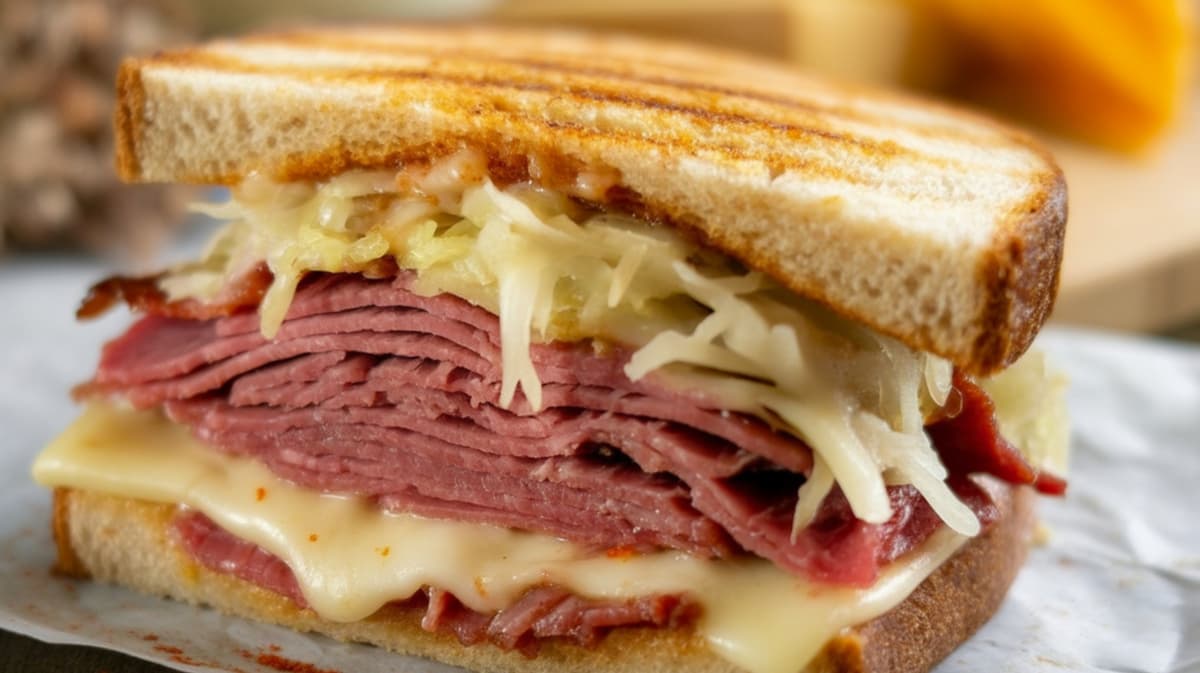
- •Signature Reuben features house‑cured corned beef, Swiss cheese, sauerkraut.
- •Owner Kara Wenzel maintains family recipes from 1985 smokehouse origins.
- •Location off US‑281 offers fudge, ice cream, jerky for travelers.
- •Positive online reviews boost regional culinary tourism and local economy.
Pulse Analysis
Road‑trip culture in the United States thrives on unexpected culinary pit stops, and Dutchman's Hidden Valley exemplifies how a single sandwich can become a magnet for travelers. Nestled along U.S. Route 281, the family‑run deli captures the nostalgia of classic American road food while offering a product that stands out for its ingredient quality. By positioning itself off the main I‑35 corridor, Dutchman's leverages the allure of discovery, encouraging motorists to deviate from the fastest route in exchange for a memorable dining experience that combines a perfectly seasoned Reuben with homemade confections.
The secret to Dutchman's success lies in its commitment to fresh, house‑crafted components and a legacy that dates back to 1985. Ron Wenzel’s original smokehouse expertise translates into a corned beef that balances salt and tenderness, while the addition of Swiss cheese, sauerkraut, and Russian dressing on rye creates a harmonious flavor profile. Online reviews repeatedly cite the sandwich’s consistency and the welcoming atmosphere maintained by Kara Wenzel, reinforcing the power of word‑of‑mouth marketing in the digital age. This reputation not only fuels repeat visits but also positions the deli as a case study in how small‑scale food operations can compete with larger chains through authenticity and quality.
For Hamilton, the ripple effects are tangible. Increased foot traffic supports ancillary businesses, from local gas stations to boutique shops, and generates tax revenue that can be reinvested in community infrastructure. The Dutchman's model illustrates how culinary tourism can serve as an economic catalyst for rural towns, encouraging other entrepreneurs to highlight regional specialties. As travelers continue to seek genuine, off‑beat experiences, towns like Hamilton stand to benefit from strategic branding that celebrates local heritage while meeting the modern demand for high‑quality, shareable food moments.
Visitors Rave About The Reuben From This Tiny Texas Town
Comments
Want to join the conversation?
Loading comments...