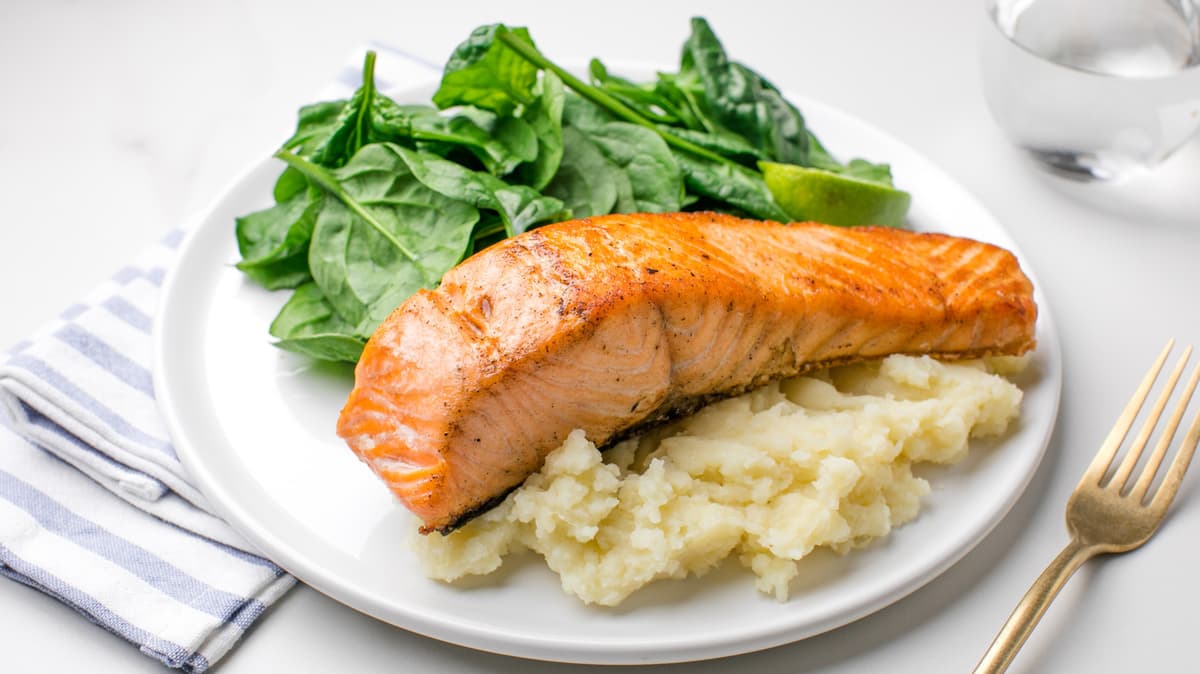
Why It Matters
Understanding the term’s evolution helps restaurateurs craft menus that align with consumer expectations and avoid cross‑cultural confusion, influencing branding and pricing strategies.
Key Takeaways
- •Entree originally meant a second course in classic French menus.
- •U.S. diners shifted entree to mean the main dish.
- •World War I and the Great Depression shortened meals, reshaping terminology.
- •Menus now use entree to signal the primary protein.
Pulse Analysis
The word "entree" illustrates how language travels with food. In 18th‑century France, an entrée was the second plate, a modest dish served after the aperitif and before the fish or roast. As American diners embraced French terminology in the early 1900s, economic pressures from World War I and the Great Depression forced restaurants to trim multi‑course meals. The once‑intermediate course became the centerpiece of a simplified three‑course format—appetizer, entree, dessert—solidifying a meaning that diverges sharply from its European origin.
For restaurateurs, the semantic drift matters more than trivia. A menu that labels the main protein as an "entree" aligns with the expectations of the majority of U.S. consumers, reducing the risk of confusion at the point of sale. This alignment also influences pricing structures; chefs can position higher‑margin dishes as entrees without appearing pretentious. Marketing teams leverage the term in promotional copy, knowing that "entree specials" instantly convey a core offering, which can boost table turnover in both casual and upscale settings.
The American reinterpretation of French culinary terms mirrors a broader pattern of cultural adaptation. Julia Child’s television debut and the proliferation of bistro‑style eateries have turned French techniques into household knowledge, while the lexical shift keeps the cuisine approachable. As diners increasingly seek authenticity, some high‑end establishments revert to traditional French nomenclature, offering separate "hors d’oeuvre" and "plat principal" sections. Nevertheless, the entrenched use of "entree" as the main course is likely to persist, shaping menu design and consumer dialogue for years to come. Industry analysts expect this terminology to remain a staple of American dining lexicon.
Why Americans Say Entree When They Mean Main Course
Comments
Want to join the conversation?
Loading comments...