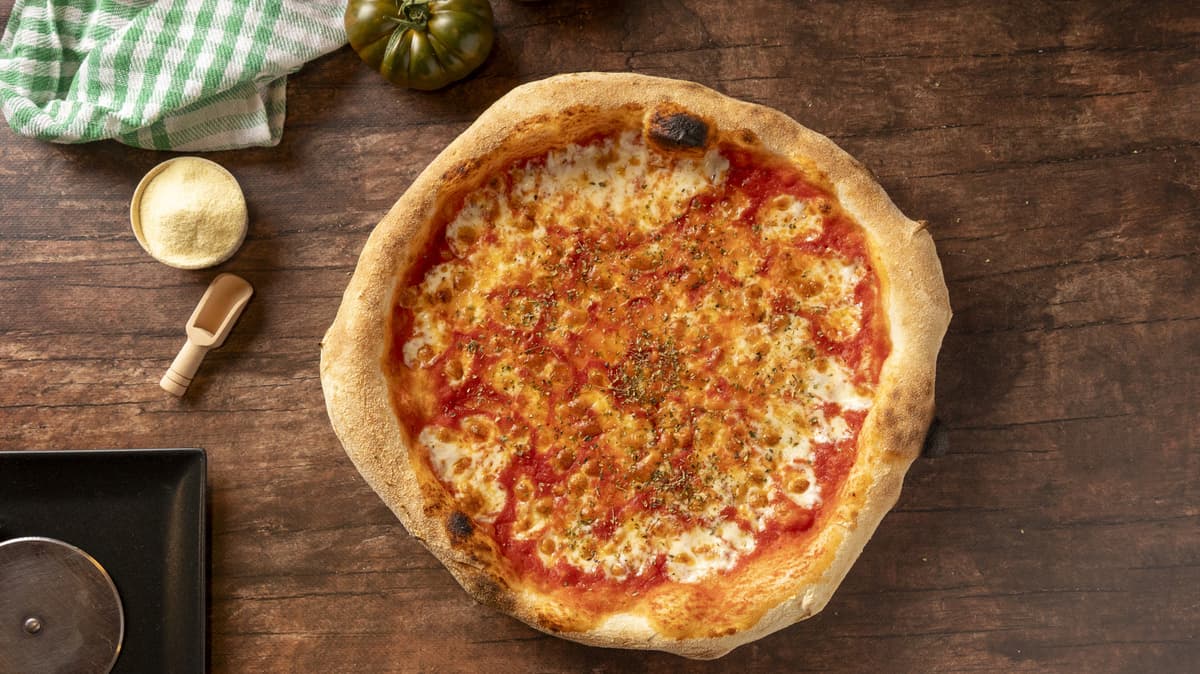
Why Your Homemade Pizza Dough Is Too Tough (And How To Fix It)
Why It Matters
Understanding dough handling prevents waste and elevates home‑cooked pizza quality, a key factor as home baking continues to surge. Mastery of these techniques gives bakers consistent crust texture and expands culinary versatility.
Key Takeaways
- •Over‑kneading makes dough rubbery, causing dense crust
- •Resting dough longer relaxes gluten and improves stretchability
- •Adding a splash of water (bassinage) re‑hydrates tough dough
- •Hard water strengthens gluten; soft water keeps dough pliable
- •Repurpose excess dough as breadsticks, pita, or cinnamon rolls
Pulse Analysis
The home pizza boom has turned kitchen countertops into makeshift pizzerias, but many novice bakers stumble at the dough stage. Gluten development is the backbone of a chewy yet airy crust; when the network is over‑stretched, it becomes elastic and resistant, producing a rubbery texture that hampers oven spring. Traditional hand‑kneading lets bakers feel the dough’s elasticity, allowing them to stop before the gluten fibers tear. In contrast, stand mixers can quickly push the dough past its optimal window, especially for beginners who lack tactile feedback.
Fortunately, dough rescue is possible without discarding the batch. Extending the bulk fermentation gives the gluten strands time to relax, reducing tension and improving extensibility. Adding a measured splash of water—a process known as bassinage—re‑hydrates the dough, softening the gluten matrix and restoring pliability. Water chemistry also matters: hard water, rich in calcium and magnesium, tightens gluten, while softer water yields a more forgiving dough. Adjusting hydration levels, even slightly, can shift a stubborn batch toward an open‑crumb structure, though higher hydration demands careful handling. These adjustments are simple, cost‑effective, and can salvage a pizza that would otherwise be a disappointment.
Beyond rescue, the surplus dough offers culinary upside. Shaping it into breadsticks, pitta pockets, or sweet cinnamon rolls leverages the same base ingredients while diversifying the menu. This approach aligns with the growing DIY food movement, where waste reduction and creativity are prized. By mastering gluten management and rescue techniques, home bakers not only achieve pizzeria‑grade crusts but also expand their repertoire, turning a potential failure into a series of tasty, resource‑savvy creations.
Why Your Homemade Pizza Dough Is Too Tough (And How To Fix It)
Comments
Want to join the conversation?
Loading comments...