Why It Matters
Achieving proper browning enhances flavor, texture, and perceived quality, which directly impacts restaurant margins and consumer satisfaction. Mastery of these fundamentals also informs grill‑technology design and culinary training programs.
Key Takeaways
- •Pat steak dry before grilling to enable Maillard reaction
- •Use high‑smoke‑point oil like peanut or safflower for searing
- •Grill at 450‑550 °F; lower end for more doneness
- •Salt steak an hour early to draw out and re‑absorb moisture
- •Marinades with salt and fat soften tougher cuts and boost crust
Pulse Analysis
The Maillard reaction, the chemical engine behind a steak's brown crust, requires a dry surface and temperatures above 300 °F. When moisture lingers, the grill's radiant heat first evaporates water, delaying the reaction and leaving the meat gray. Professional chefs therefore prioritize patting steaks completely dry and using absorbent salts to pull excess liquid to the interior, where it can be re‑absorbed for juicier results. This scientific approach not only improves flavor but also reduces cooking time, a critical efficiency factor in high‑volume kitchens.
Choosing the right cooking fat is equally vital. Oils with low smoke points, such as extra‑virgin olive oil, combust quickly, imparting bitterness and obscuring the desired crust. High‑smoke‑point options like peanut, safflower, or even a thin layer of mayonnaise provide a stable heat conduit, allowing the steak's surface to reach the optimal searing temperature without burning. This insight has spurred equipment manufacturers to develop grill surfaces and burners that maintain consistent 450‑550 °F zones, catering to chefs who demand precise thermal control.
Beyond the grill, these techniques influence broader culinary economics. Restaurants that consistently deliver a perfect sear can command premium pricing, reduce waste from overcooked or under‑seared cuts, and enhance brand reputation. Culinary schools now embed moisture management and oil selection into their curricula, ensuring the next generation of chefs can translate kitchen science into profit. For home grillers, applying these principles transforms a simple backyard cookout into a restaurant‑quality experience, reinforcing the market for high‑performance grills and specialty cooking oils.
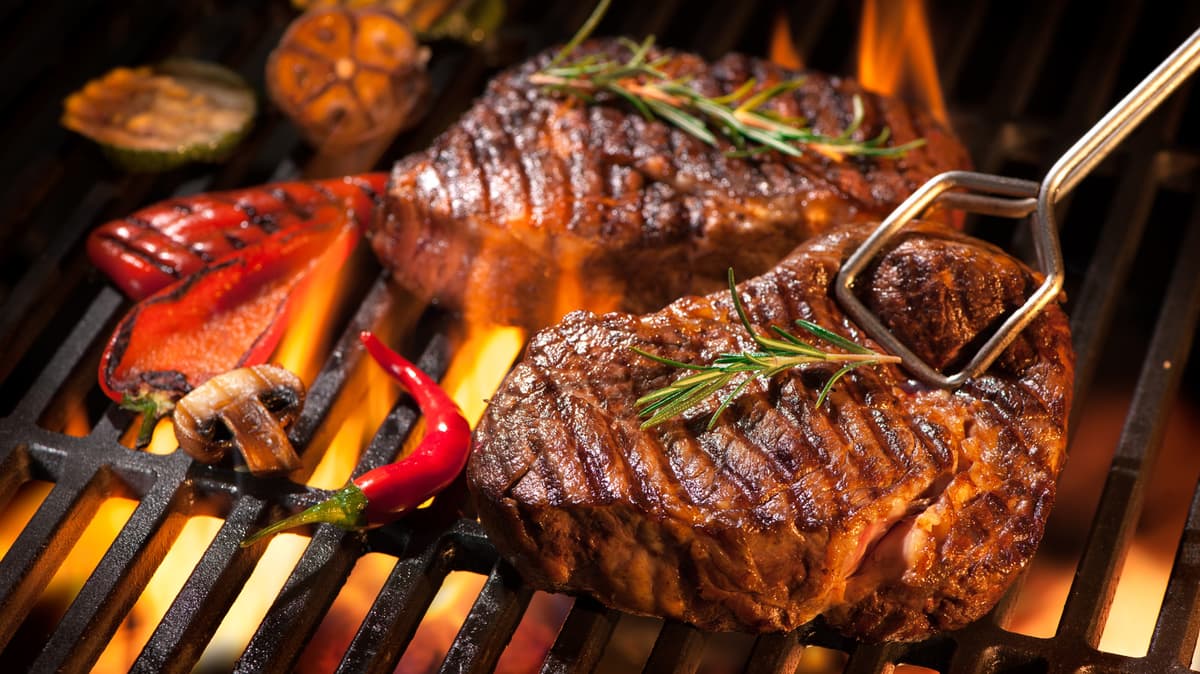
Why Your Steak Isn't Browning On The Grill
Comments
Want to join the conversation?
Loading comments...