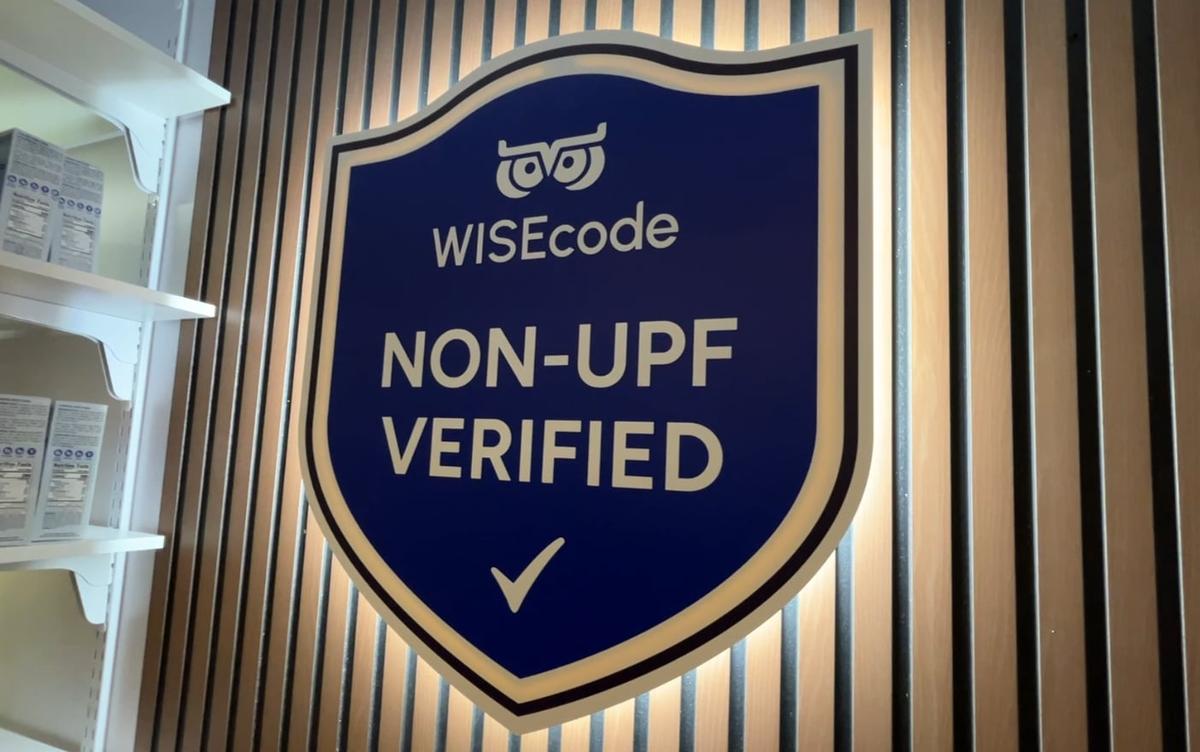
Wisecode Gives Brands a New Way to Claim They’re Non-UPF
•March 10, 2026
0
Why It Matters
The shield gives brands a credible, consumer‑facing signal of clean‑label status, helping them capture shoppers increasingly wary of ultra‑processed foods.
Key Takeaways
- •$200/year per SKU, first‑year discount available.
- •Verification uses four criteria to assess ultra‑processing.
- •Over 840,000 products in Wisecode database.
- •Brands receive press kit and branding assets.
- •Program aims to boost shelf‑visibility for non‑UPF foods.
Pulse Analysis
Consumers are becoming more health‑conscious, and the term "ultra‑processed" has entered mainstream discourse as a marker of nutritional risk. Yet most shoppers lack a reliable way to identify such products on store shelves. By translating complex ingredient analyses into a simple visual badge, Wisecode bridges the gap between scientific classification and everyday purchasing decisions, positioning itself as a pivotal data intermediary in the clean‑label movement.
The Non‑UPF Shield program operationalizes this vision with a subscription model that charges $200 per SKU per year, while offering a promotional package that includes one free SKU and three at a 50 % discount for the first year. Powered by a proprietary database of 840,000 items and four rigorously defined criteria—ingredient count, health risk weighting, added sugar contribution, and high‑risk additives—the verification can often be completed instantly. Brands that adopt the shield receive a press kit, branding assets, and elevated placement within Wisecode’s consumer app, potentially driving incremental sales through differentiated shelf presence.
Looking ahead, Wisecode plans to expand its certification suite and enable consumers to create personalized ingredient codes, turning the platform into a customizable nutrition dashboard. This strategy could reshape retailer‑brand collaborations, as data‑driven transparency becomes a competitive advantage. Moreover, standardized non‑UPF labeling may influence regulatory discussions around food processing disclosures, nudging the industry toward broader adoption of clear, science‑backed labeling frameworks.
Wisecode gives brands a new way to claim they’re non-UPF
0
Comments
Want to join the conversation?
Loading comments...