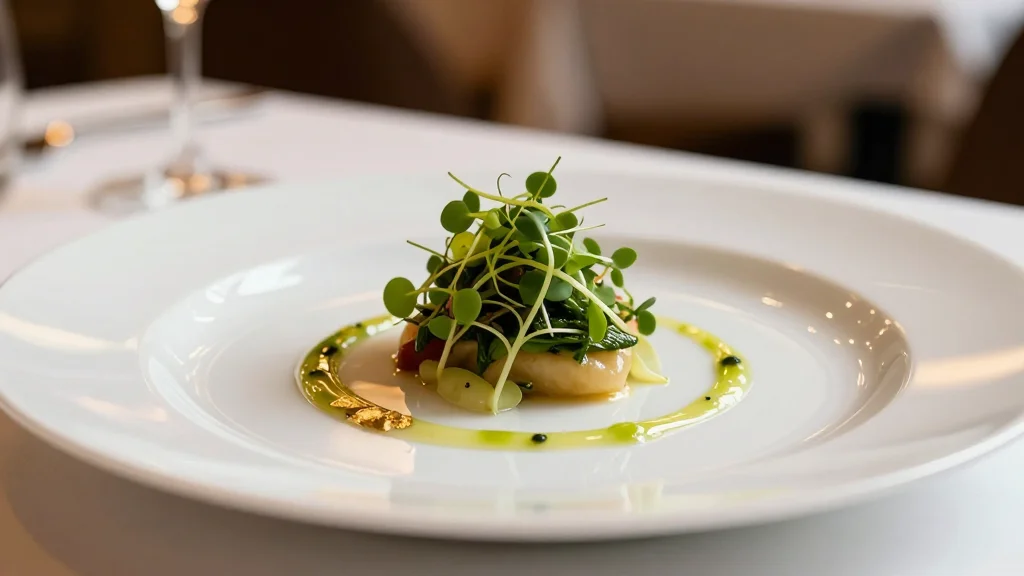
Yannick Alléno Hits 18 Michelin Stars, Tying for World’s Top Chef

Companies Mentioned
Why It Matters
The achievement cements France’s continued dominance in the global fine‑dining hierarchy, reinforcing the Michelin Guide’s role as the ultimate arbiter of culinary excellence. For investors and hospitality operators, Alléno’s multi‑city footprint demonstrates the commercial viability of high‑end French concepts in luxury markets, potentially reshaping investment strategies toward premium gastronomy. For aspiring chefs, the milestone underscores the importance of building a diversified portfolio of venues and leveraging brand extensions beyond the home country. It also sparks debate about whether the pursuit of stars encourages creativity or fosters a homogenized, star‑chasing culture that may marginalize regional culinary diversity.
Key Takeaways
- •Yannick Alléno now holds 18 Michelin stars across 21 restaurants.
- •Monsieur Dior at 30 Montaigne earned its first star in the 2026 guide.
- •Alléno operates three‑star venues in Paris and multiple two‑ and one‑star concepts.
- •His empire spans Monaco, Dubai, the UK, Japan, the UAE, South Korea and Qatar.
- •Diners at Pavillon Ledoyen pay roughly $390 for a tasting menu.
Pulse Analysis
Alléno’s 18‑star tally is more than a personal accolade; it signals a maturation of the Michelin ecosystem into a brand‑centric model. Historically, chefs built reputations around a single flagship restaurant, but Alléno’s dispersed portfolio mirrors the corporate expansion strategies of luxury hospitality groups. This shift could democratize access to Michelin‑level experiences, as patrons in Dubai or Qatar can now taste a chef’s signature style without traveling to Paris.
However, the concentration of stars among a few chefs also raises competitive concerns. As the guide’s prestige becomes a marketing lever, restaurants may prioritize star‑friendly formats—often formal, high‑priced, and menu‑stable—over experimental or locally‑sourced concepts. This could stifle culinary innovation, especially in regions where diners are seeking more authentic, terroir‑driven experiences. The industry will need to balance the allure of star accumulation with the demand for diversity in taste and concept.
Looking ahead, Alléno’s potential entry into North America could test the elasticity of the Michelin brand in markets where the guide’s relevance is still evolving. Success would likely encourage other star‑rich chefs to pursue similar global roll‑outs, intensifying competition among luxury dining operators and possibly prompting Michelin to refine its evaluation criteria for non‑European venues. The next few years will reveal whether Alléno’s empire is a blueprint for sustainable growth or a cautionary tale of over‑extension.
Yannick Alléno Hits 18 Michelin Stars, Tying for World’s Top Chef
Comments
Want to join the conversation?
Loading comments...