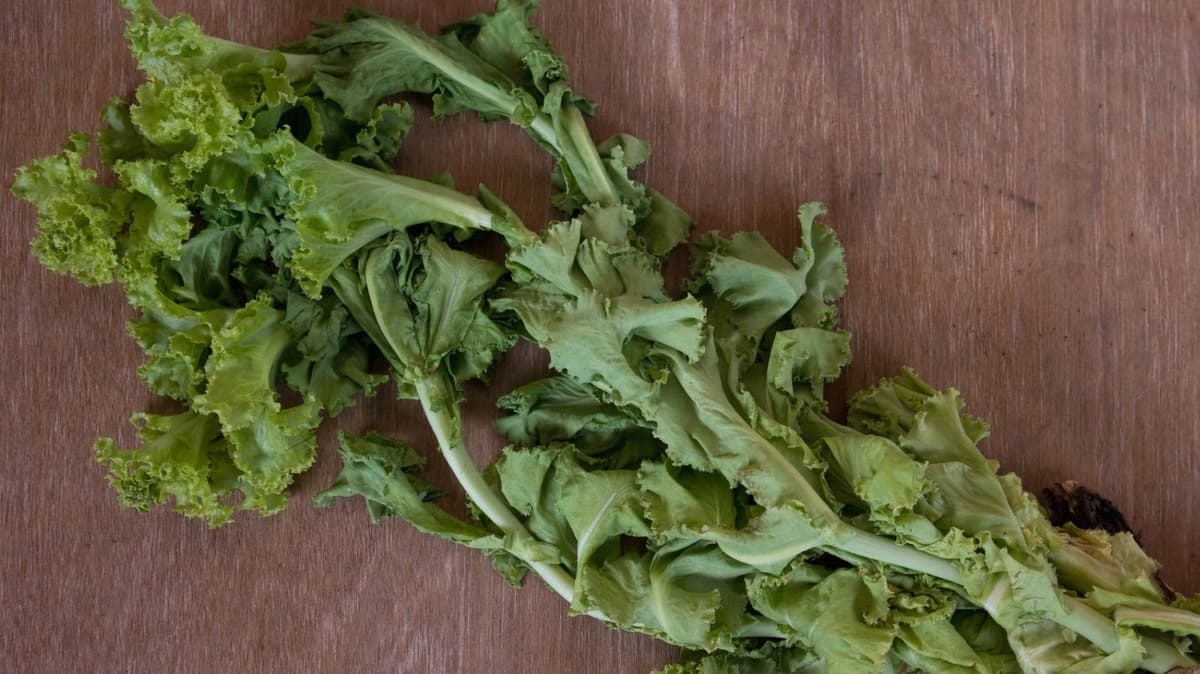
You Can Still Use Wilted Greens In Your Salad If You Take This Leaf-Saving Step
•March 10, 2026
0
Why It Matters
Reviving wilted greens saves household food budgets and cuts produce waste, a priority for both consumers and the broader food‑service industry. The low‑cost hack also supports sustainability goals without requiring specialized equipment.
Key Takeaways
- •Ice water bath revives wilted lettuce in five minutes
- •Works best on sturdy greens like romaine and kale
- •Pat dry with towel; spinner unnecessary
- •Keep greens wrapped with damp towel to retain moisture
- •Yellowing signals greens beyond salvage
Pulse Analysis
Leafy greens are among the most perishable produce items, and households in the United States discard an estimated 30 percent of them each year, translating into millions of dollars of waste. Chef Jason Stern’s simple ice‑water soak offers a low‑cost, zero‑equipment solution that can revive wilted lettuce, romaine, and kale, extending their usable life by days. By rescuing greens that would otherwise be tossed, consumers not only protect their grocery budget but also contribute to broader sustainability goals that retailers and food‑service operators are increasingly tracking.
The revival works because leafy cells rely on turgor pressure, which collapses as they lose moisture. Immersing the leaves in an ice‑water bath forces the cells to re‑absorb cold water, rapidly restoring firmness without damaging delicate tissue. The temperature shock also slows enzymatic browning, a common cause of yellowing. Five minutes in near‑freezing water is sufficient for tougher varieties, while more fragile leaves such as arugula may not respond as well. This technique mirrors commercial blanching processes but avoids heat, preserving flavor and nutrients.
Beyond the kitchen, the ice‑bath hack aligns with supply‑chain efforts to reduce produce loss before it reaches shelves. Grocery distributors can adopt similar cold‑water rehydration stations for bulk greens, extending display life and decreasing markdowns. For restaurants, the method offers a quick turnaround for salvaging inventory during service peaks, improving margin stability. Home cooks benefit from the low‑tech approach—just a bowl, ice, and a towel—making it accessible across income levels. As consumers demand greener practices, such practical, science‑backed tips are likely to become standard advice in culinary media and retail education.
You Can Still Use Wilted Greens In Your Salad If You Take This Leaf-Saving Step
0
Comments
Want to join the conversation?
Loading comments...