Your Chicken Breast Isn't Overcooked (It Might Be Suffering This Instead)
Companies Mentioned
Why It Matters
Woody breast syndrome threatens meat quality and consumer confidence, prompting the industry to reconsider fast‑growth breeding practices. It also creates a market niche for butchers and responsible producers who can guarantee better‑textured poultry.
Key Takeaways
- •Woody breast syndrome stems from rapid growth of broiler chickens
- •Fast‑feeding practices cause insufficient blood supply to breast muscle
- •Condition yields dense, stringy texture but is safe to eat
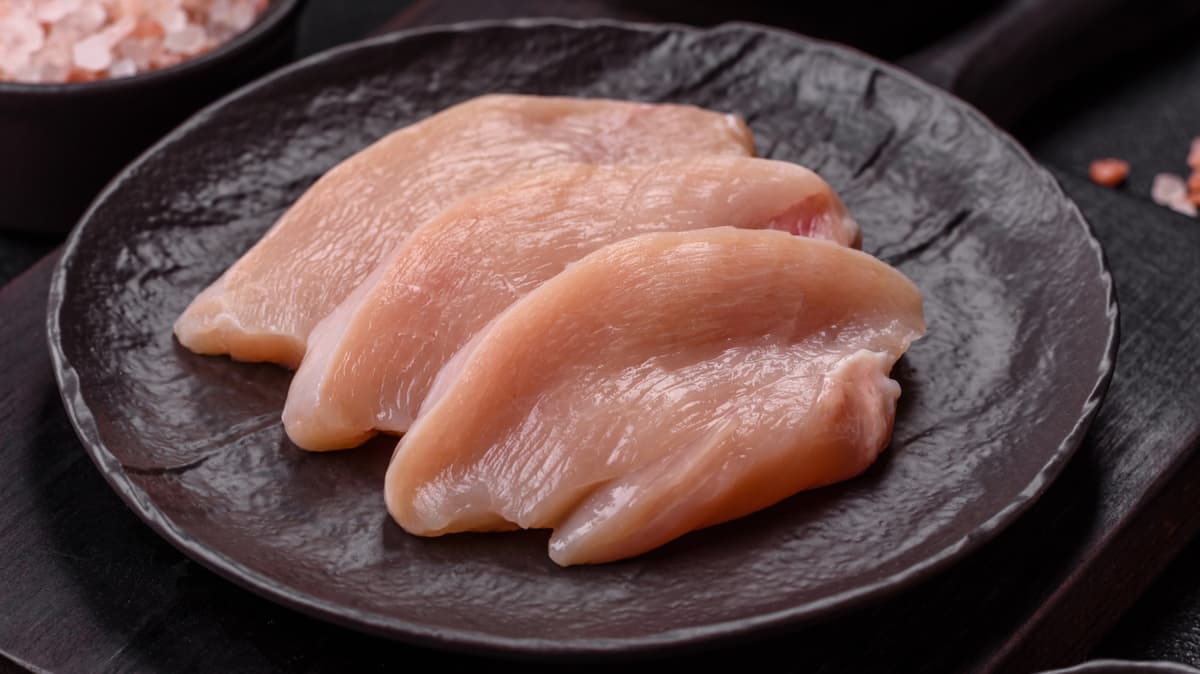
- •Consumers can spot woody meat by pale, overly firm breasts
Pulse Analysis
Woody breast syndrome has emerged as a notable quality defect in the U.S. poultry supply chain. The disorder is linked to genetic selection for broiler chickens that reach market weight in record time, often within six weeks. This accelerated growth strains the birds' vascular system, leaving portions of the breast muscle under‑oxygenated and prone to fibrosis. The result is a hard, wood‑like texture that, while harmless, diminishes the eating experience and raises questions about the sustainability of current intensive farming models.
The ripple effects extend beyond the dinner plate. Retailers report higher rates of returns and complaints, prompting some supermarkets to flag or remove suspect lots. Small‑scale butchers, who can source from farms practicing slower growth rates, are gaining a competitive edge by offering "premium" poultry free of woody breast. Meanwhile, large producers face pressure to balance profitability with animal welfare and product quality, as consumer awareness of meat defects grows alongside demand for transparency.
For shoppers, the practical solution lies in vigilant selection. Look for chicken breasts that are uniformly pink, firm yet springy to the touch, and avoid pieces that appear pale, overly bulging, or unusually cheap. Cooking methods that incorporate moisture—such as brining, sous‑vide, or slow roasting—can mitigate residual toughness, though they won’t fully erase the woody texture. In the longer term, industry shifts toward moderated feeding schedules and genetic lines that prioritize muscle health over sheer size may curb the prevalence of woody breast, restoring confidence in a staple protein source.
Your Chicken Breast Isn't Overcooked (It Might Be Suffering This Instead)
Comments
Want to join the conversation?
Loading comments...