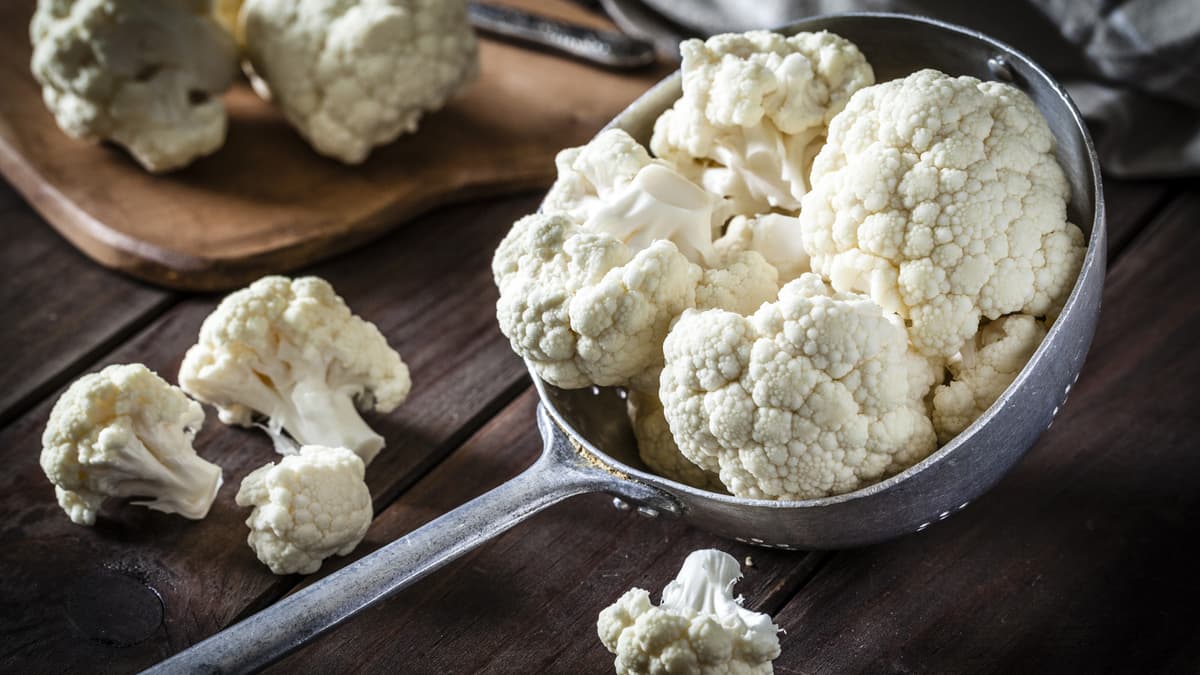
You've Heard Of 'Melting' Cabbage And Potatoes — Now It's Time To Try It With Cauliflower
Why It Matters
Melting expands cauliflower’s culinary appeal, offering home chefs a restaurant‑grade texture that can elevate everyday meals and drive demand for innovative plant‑based sides.
Key Takeaways
- •Melting combines roasting at 450 °F and braising in broth.
- •Use 1½‑2‑inch florets for optimal caramelization without burning.
- •Flavor broth with herbs, mustard, or harissa for diverse profiles.
- •Melted cauliflower serves as topping, side, or base for protein dishes.
Pulse Analysis
The "melting" method is reshaping how home cooks treat tough‑to‑soften vegetables. By searing cauliflower florets at temperatures that trigger the Maillard reaction—often above 450 °F—chefs develop a deep caramel crust that locks in flavor. The subsequent braise in a seasoned liquid gently breaks down cell walls, yielding a texture that feels almost liquid on the palate while retaining a subtle bite. This dual‑phase approach mirrors classic techniques such as confit and pot‑roasting, but its simplicity makes it accessible to anyone with a standard oven and a saucepan.
Beyond texture, melting preserves cauliflower’s nutritional profile better than prolonged boiling. The brief high‑heat roast minimizes vitamin C loss, while the moist braise keeps fiber intact and prevents the vegetable from drying out. The result is a low‑calorie, fiber‑rich side that can be infused with protein‑boosting ingredients like Parmesan, chicken broth, or legumes, turning it into a nutrient‑dense accompaniment. For health‑conscious diners, the method offers a way to enjoy the vegetable’s subtle sweetness without added fats, aligning with current trends toward plant‑forward, wholesome meals.
The culinary community’s embrace of melted cauliflower signals a broader shift toward innovative plant‑based preparations. Restaurants are experimenting with the technique to create upscale vegetable purées that replace starches, while food manufacturers see an opportunity for ready‑to‑heat frozen packs that promise a “melt‑in‑your‑mouth” experience. For home chefs, the method expands menu flexibility, allowing cauliflower to function as a base for lamb, chicken, or even vegan entrees. As consumer demand for versatile, gourmet‑grade vegetables rises, the melting method could become a staple in both professional kitchens and everyday cooking.
You've Heard Of 'Melting' Cabbage And Potatoes — Now It's Time To Try It With Cauliflower
Comments
Want to join the conversation?
Loading comments...