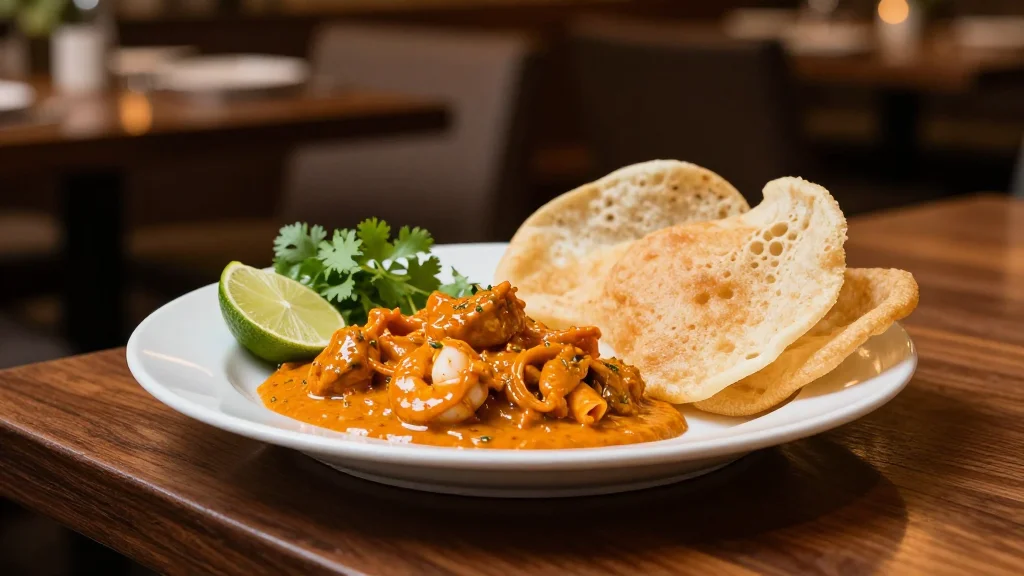
Zetu Opens in Delhi, Introducing Contemporary Sri Lankan Cuisine to India's Capital

Why It Matters
Zetu’s entry into Delhi expands the capital’s gastronomic palette, offering diners exposure to Sri Lanka’s rich culinary traditions that have been underrepresented in India. By blending authentic flavors with contemporary techniques, the restaurant not only satisfies a growing demand for novel dining experiences but also fosters cultural exchange between neighboring South Asian nations. This diversification can boost tourism, encourage culinary tourism within the region, and inspire local chefs to experiment with new spice combinations and cooking methods. Moreover, Zetu’s focus on locally sourced ingredients underscores a sustainable approach that aligns with India’s increasing emphasis on farm‑to‑table practices. The restaurant’s educational events may deepen consumer appreciation for Sri Lankan food heritage, potentially leading to greater demand for imported Sri Lankan products and strengthening trade ties between the two countries.
Key Takeaways
- •Zetu opened on June 5, 2026, in Delhi’s Mehrauli district.
- •Chef Rohan de Silva leads a menu that modernizes classic Sri Lankan dishes.
- •The restaurant’s interior blends colonial architecture with tropical design.
- •Zetu aims to fill a niche for fine‑dining Sri Lankan cuisine in India’s capital.
- •Future plans include seasonal tasting menus and expansion to other Indian cities.
Pulse Analysis
Zetu’s launch reflects a maturation of Delhi’s dining market, where consumers are no longer satisfied with generic Indian fare and are actively seeking authentic regional experiences. Historically, Indian metros have been early adopters of foreign cuisines, but the shift now includes neighboring countries whose culinary identities were previously eclipsed by larger Indian narratives. By positioning Sri Lankan cuisine as both exotic and familiar—leveraging shared spice palettes and culinary techniques—Zetu taps into a sweet spot that appeals to adventurous diners while remaining accessible.
From a competitive standpoint, Zetu differentiates itself through its fine‑dining positioning and emphasis on storytelling. While street‑level Sri Lankan eateries exist in Delhi, they lack the upscale ambiance and curated menu that Zetu offers. This creates a new segment within the city’s restaurant ecosystem, potentially prompting established Indian fine‑dining brands to incorporate more cross‑border dishes into their offerings. The restaurant’s focus on sustainability and local sourcing also aligns with a broader consumer shift toward ethical consumption, giving it an edge in brand perception.
Looking forward, Zetu’s success could catalyze a wave of similar ventures, encouraging chefs from other South Asian nations to explore the Indian market. If the restaurant sustains its momentum, it may influence supply chains, prompting importers to increase the availability of Sri Lankan ingredients such as cinnamon, goraka, and specific varieties of rice. Ultimately, Zetu’s emergence is a micro‑indicator of a larger regional integration in food culture, where culinary borders are becoming as fluid as trade agreements, enriching both consumer choice and cultural understanding.
Zetu Opens in Delhi, Introducing Contemporary Sri Lankan Cuisine to India's Capital
Comments
Want to join the conversation?
Loading comments...