I Tried China's Most Insane Breakfasts!
Why It Matters
The showcase reveals untapped regional Chinese breakfast flavors that can drive culinary tourism and inspire global food brands to innovate with authentic, affordable taste profiles.
Key Takeaways
- •Guangxi street stalls serve complex, affordable breakfast dishes daily.
- •Sticky rice with pickled radish, peanuts, and fish root earns A‑tier.
- •Local chili oil surpasses commercial Lao Gan, rated S‑tier.
- •Fermented brown‑sugar cakes offer unique sweet‑sour flavor, S‑tier.
- •Heavy, oily pork leg dish is flavorful but less cravable.
Summary
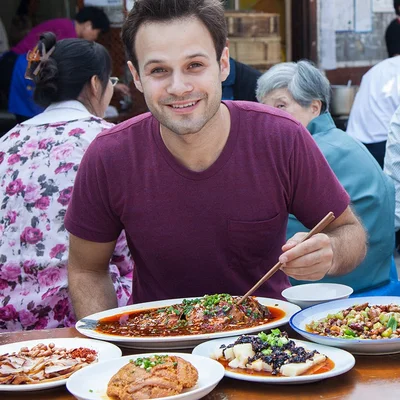
The video takes viewers on a culinary tour of Guay Joe, a remote Chinese region, sampling an array of breakfast specialties and ranking each on a tier list to crown a winner. From bustling market stalls to hidden alleyway bakeries, the host showcases how locals start their day with inventive, flavor‑packed dishes. Key insights include the prevalence of affordable, complex foods: a sticky‑rice ball layered with pickled radish, peanuts, pork, and stinky fish root earns an A‑tier for its sweet‑spicy‑sour profile; a massive brown‑sugar cake, fermented for days, delivers a unique molasses‑like taste and also hits S‑tier; and a locally produced chili oil, boasting smoky, aromatic depth, outperforms the commercial Lao Gan brand, securing another S‑tier rating. Prices remain low, often under $1 for street fare, while premium items like the giant pork leg or specialty chili oil command higher but still reasonable costs. Notable moments feature vivid descriptions: the host calls the sticky‑rice “absolutely incredible,” the chili oil “better than Lao Gan,” and the pork leg’s texture “jiggly, juicy, infused with hundreds of aromatics.” Visuals of massive molds, sizzling wok‑craft, and crowds lining up reinforce the dishes’ popularity and cultural significance. The broader implication is a spotlight on China’s regional breakfast culture, which remains under‑explored internationally. By documenting these flavors and techniques, the video highlights opportunities for culinary tourism, cross‑border product development, and a deeper appreciation of China’s intangible food heritage.
Comments
Want to join the conversation?
Loading comments...