The Financial Crisis That Didn’t Happen
Key Takeaways
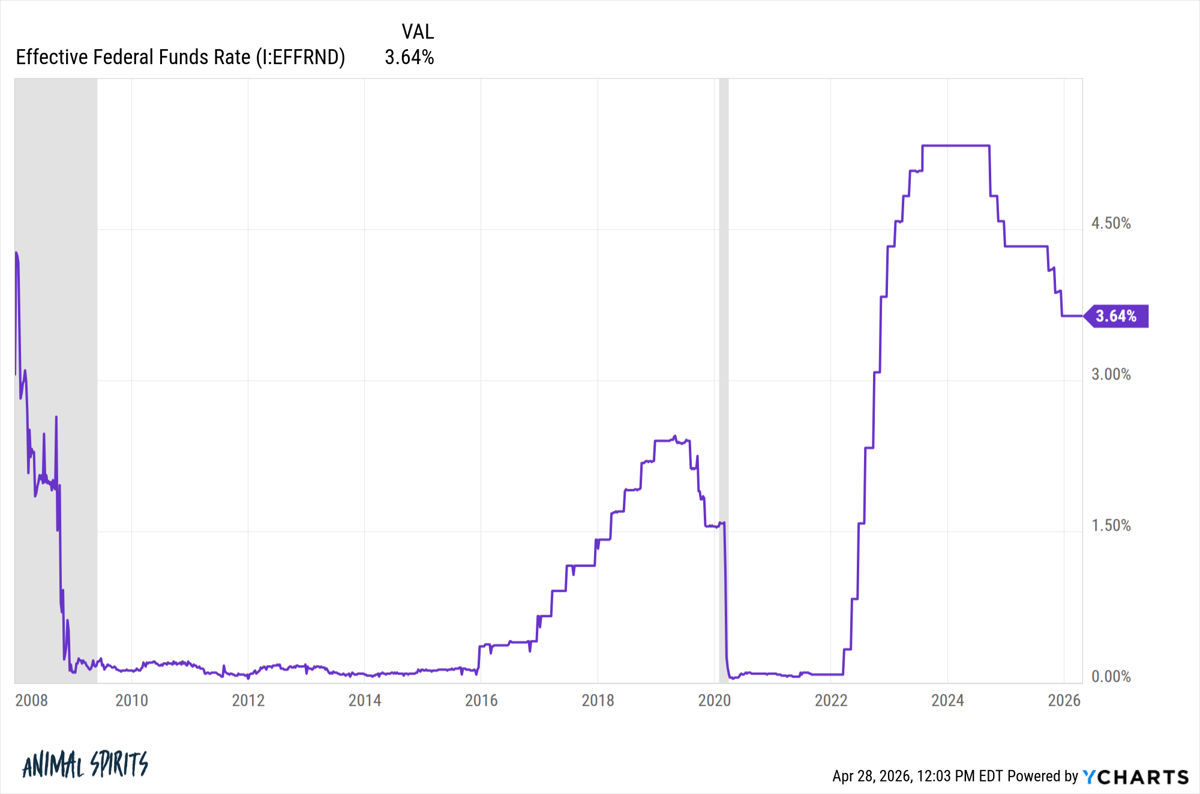
- •Fed kept rates at 0% for ~8-9 years after 2008 crisis
- •Zero‑percent policy did not trigger a new financial crisis
- •Inflation stayed modest until pandemic stimulus sent money to households
- •U.S. enjoyed longest expansion and bull market despite low rates
- •CPI up 56% (2009‑26) vs 79% (1982‑99)
Pulse Analysis
The Federal Reserve’s response to the 2008 financial collapse set a new precedent for monetary policy. By driving the federal funds rate to zero and launching large‑scale quantitative easing, the Fed aimed to shore up bank balance sheets and restore market confidence. Critics warned of runaway inflation, a collapsing dollar, and a looming second crisis, yet the data show that price pressures remained subdued for a decade. This outcome underscores how central‑bank asset purchases can provide liquidity without directly flooding households with cash, limiting inflationary spillovers.
When the COVID‑19 pandemic struck, the policy landscape shifted. The government, not the Fed, delivered direct payments to consumers and businesses, igniting a brief but sharp inflation spike in the early 2020s. Meanwhile, the Fed’s balance‑sheet holdings continued to sit largely idle, meaning banks did not translate the extra reserves into a surge of new lending. This separation explains why the prolonged zero‑interest environment did not translate into a new financial crisis, even as markets adjusted risk appetites and asset valuations.
For investors and policymakers, the lesson is clear: counterfactuals—what might have happened—are less useful than tracking actual outcomes. The U.S. economy has now logged the longest expansion and one of the longest bull markets on record, with cumulative CPI growth of 56% since 2009—still below the 79% rise seen from 1982 to 1999. Understanding the limited inflationary impact of monetary easing versus fiscal stimulus can inform future decisions, especially as central banks navigate post‑pandemic recovery and potential tightening cycles.
The Financial Crisis That Didn’t Happen
Comments
Want to join the conversation?