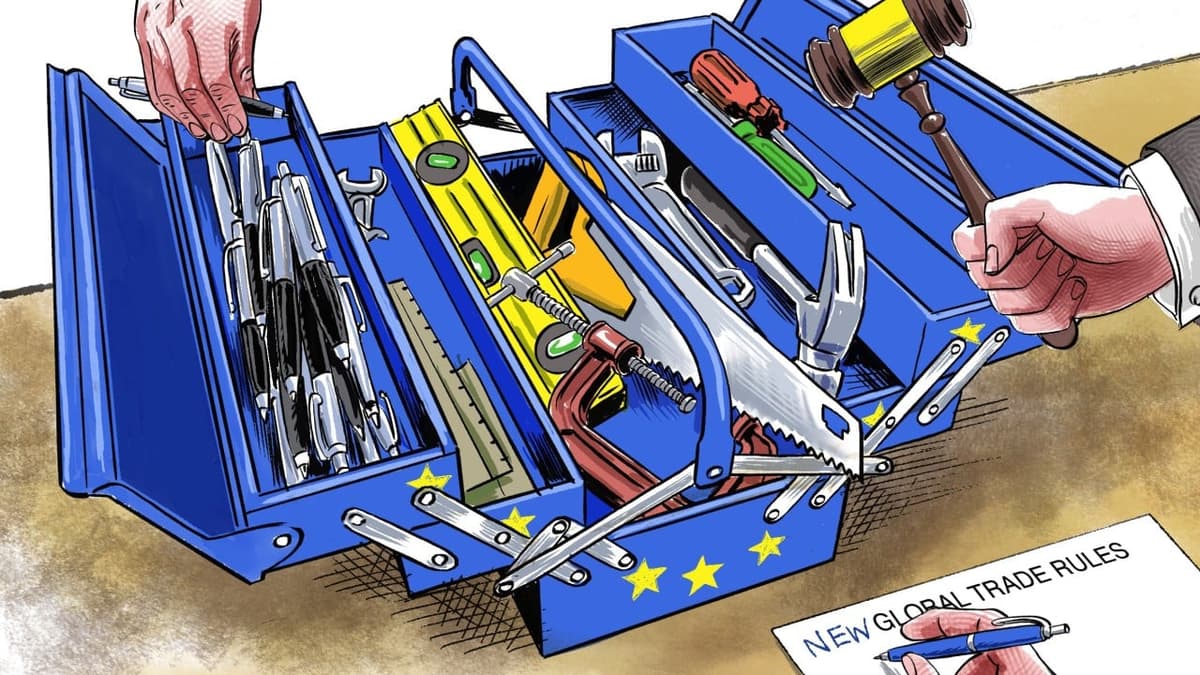
Anxious West Seeks to Rewrite Global Trade Rules to Counter China
Companies Mentioned
Why It Matters
The move could reshape EU‑China trade dynamics, raising costs for Chinese exporters and prompting a broader clash between protectionist policies and the rules‑based trading system.
Key Takeaways
- •EU proposes sector‑wide tariffs on Chinese chemicals and green tech
- •Trade‑defence measures echo US Section 301, signaling a protectionist shift
- •China’s manufacturing efficiency stems from scale, not state subsidies
- •WTO reform urged to manage disputes without unilateral tariffs
Pulse Analysis
The European Union’s latest trade‑defence agenda marks a decisive pivot from its historic advocacy of open markets toward a more confrontational stance against China. By contemplating sector‑wide tariffs on high‑value industries like chemicals and renewable‑energy components, Brussels is effectively mirroring the United States’ Section 301 strategy. This shift reflects mounting anxiety among European policymakers about supply‑chain vulnerabilities, deindustrialisation risks, and the perceived strategic threat of China’s rapid industrial expansion. If adopted, these tools could raise the cost of Chinese inputs for European manufacturers, potentially reshaping investment flows and prompting retaliatory measures from Beijing.
China’s competitive advantage, however, is rooted in a different narrative than the one often portrayed in Western policy circles. Over the past three decades, Chinese firms have leveraged massive scale, dense supplier networks, and a highly skilled labour pool to achieve cost efficiencies that rival any state‑subsidised model. Companies like BYD illustrate how vertical integration, digital‑native production, and relentless cost control drive success more than direct government handouts. The country’s export figures—34 million cars produced with 8.32 million shipped abroad—underscore a market that is still primarily domestic, challenging the notion that Chinese trade is fundamentally unfair.
The broader implication is a test of the multilateral trading system’s resilience. Rather than escalating a tariff war, both sides stand to gain from renewed WTO reform that can address genuine market distortions while preserving the benefits of global supply chains. Europe’s call for a more flexible exchange‑rate regime and greater Chinese investment in green technologies could foster a balanced rebalancing, turning China’s consumer market into a growth engine for Western exporters. Ultimately, the path forward hinges on dialogue and rule‑based negotiation, not unilateral protectionism.
Anxious West seeks to rewrite global trade rules to counter China
Comments
Want to join the conversation?
Loading comments...