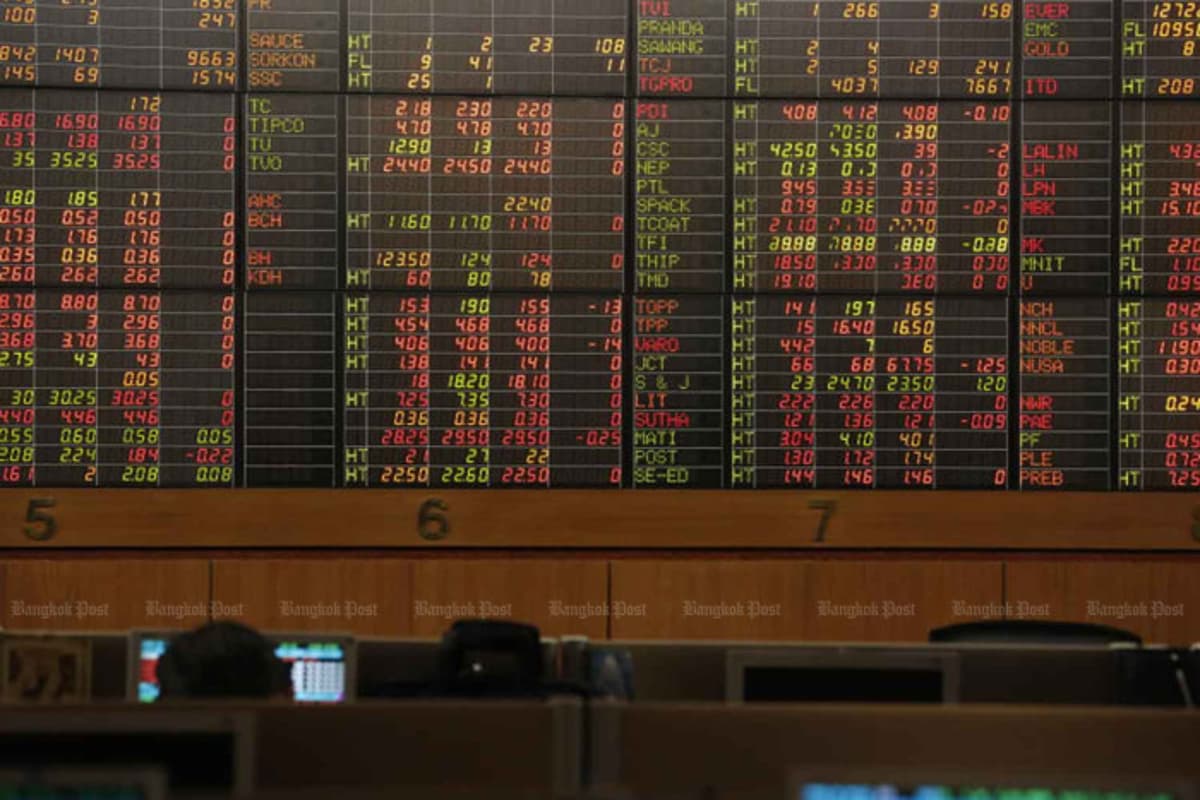
Capital Flees Thai Stocks as Baht Continues to Decline
Why It Matters
Elevated US yields and a weakening baht are draining foreign capital, pressuring Thailand’s equity and bond markets and constraining the central bank’s ability to support growth.
Key Takeaways
- •US 10‑yr Treasury yield above 4.56%, pressuring emerging markets
- •Thai bond sales total ~11 bn baht (~$314 m) this month
- •SET index fell below 1,600 points amid baht depreciation
- •Baht hit two‑month low at 32.92 per USD
- •Inflation expected near 4% before easing next year
Pulse Analysis
Rising US Treasury yields have become a decisive catalyst for capital reallocation away from emerging markets, and Thailand is feeling the squeeze. With the Federal Reserve widely expected to hike rates again in December, the yield on the 10‑year note surged past 4.56%, making dollar‑denominated assets more attractive. This global shift amplifies the cost of financing for economies with weaker currencies, prompting foreign investors to unwind positions in Thai equities and bonds, as evidenced by the $314 million bond sell‑off this month.
Domestically, the baht’s depreciation to 32.92 per dollar has eroded the purchasing power of foreign‑held assets and heightened inflationary pressures. The SET index, which briefly crossed the 1,600‑point threshold, slipped back to around 1,580, reflecting investor wariness. Bond yields rose to 2.29% after the outflows, narrowing the monetary policy space for the Bank of Thailand, which must balance growth support against the risk of further currency weakness. Analysts project Thai inflation could linger near 4% before a gradual decline next year, reinforcing expectations that the central bank will keep rates steady for now.
Looking ahead, the trajectory of US rates will remain the primary external driver of Thai market sentiment. Should the Fed maintain a hawkish stance, the baht may continue to face downward pressure, keeping foreign inflows limited. Investors may seek sectors less sensitive to currency swings, such as domestic consumption and technology firms with strong balance sheets. Meanwhile, the Bank of Thailand’s ability to intervene—through foreign exchange reserves or targeted liquidity measures—will be crucial in stabilizing the baht and preserving market confidence.
Capital flees Thai stocks as baht continues to decline
Comments
Want to join the conversation?
Loading comments...