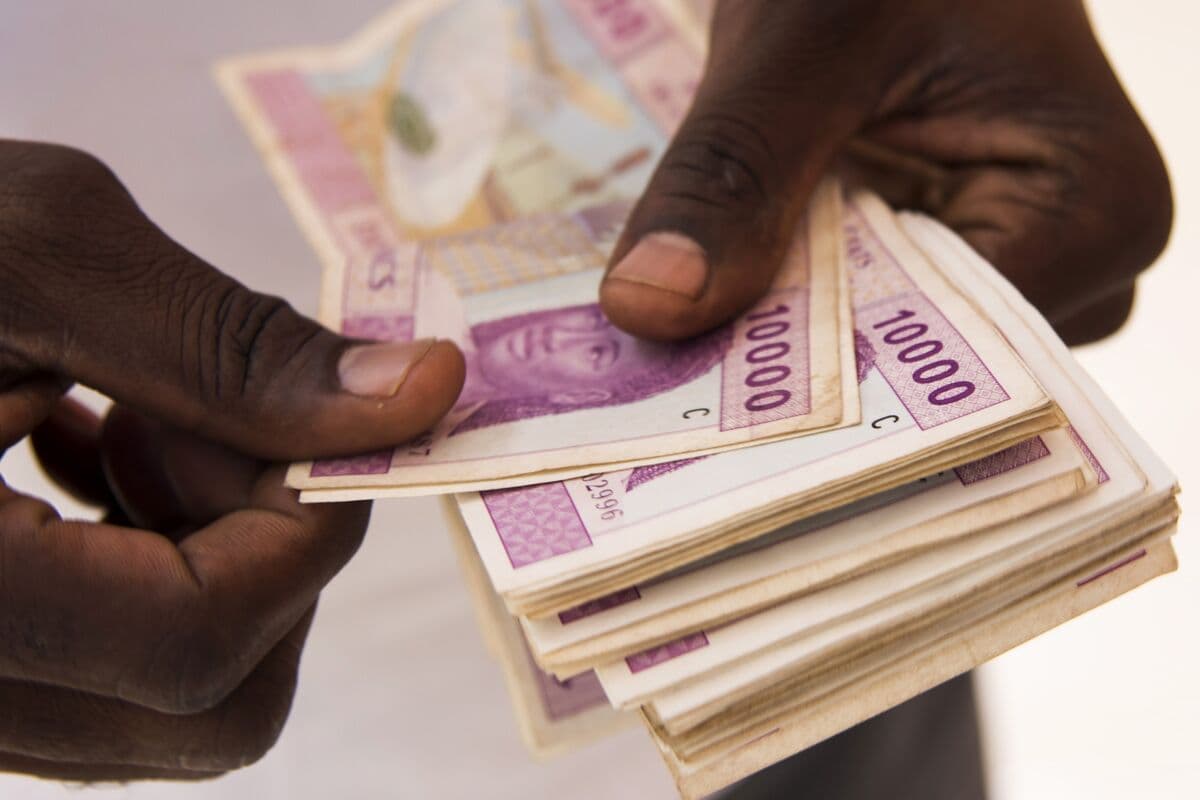
Citi Economist Urges CFA Franc Devaluation to Spur Growth in Central Africa
Companies Mentioned
Why It Matters
A devaluation could revive trade and fiscal stability in Central Africa, but it also introduces inflationary pressures and requires tight policy coordination among CEMAC members.
Key Takeaways
- •CFA franc pegged to euro; devaluation could boost export competitiveness.
- •Devaluation aims to halt falling foreign reserves across CEMAC nations.
- •Lower currency value may ease sovereign debt servicing pressures.
- •Risks include higher inflation and potential capital flight.
- •Citi urges coordinated policy to manage transition smoothly.
Pulse Analysis
The CFA franc, used by six Central African nations, has been anchored to the euro since the 1990s, providing price stability but limiting monetary flexibility. Over the past decade, the region’s economies have struggled with sluggish growth, high public‑debt ratios, and a persistent outflow of foreign exchange. As euro‑linked reserves dwindle, policymakers face a dilemma: maintain the peg and risk a deeper balance‑of‑payments crisis, or adjust the exchange rate to restore competitiveness. Citi’s recommendation reflects a broader reassessment of fixed‑rate regimes in emerging markets where growth potential is constrained by currency overvaluation.
A calibrated devaluation could make Central African exports—such as timber, minerals, and agricultural products—more price‑competitive on global markets, potentially widening trade surpluses and attracting foreign investment. By reducing the real value of external debt, governments may find it easier to meet repayment schedules, easing fiscal pressures and freeing resources for infrastructure projects. Moreover, a modest depreciation could halt the erosion of foreign‑exchange reserves, stabilizing the region’s ability to import essential goods and service external obligations. Citi’s analysis suggests that a 5‑10% adjustment, if executed in tandem with structural reforms, could generate a modest boost to GDP growth without triggering a severe shock.
However, a weaker CFA franc also carries inflation risks, as import‑priced goods become more expensive, eroding household purchasing power. Capital flight could intensify if investors perceive policy uncertainty, pressuring banks and sovereign credit ratings. To mitigate these downsides, Citi urges CEMAC members to adopt a synchronized approach, including clear communication, targeted fiscal buffers, and safeguards for vulnerable populations. The proposal underscores the delicate balance between exchange‑rate flexibility and macro‑economic stability, a theme that will shape investor sentiment toward Central Africa’s emerging markets in the coming years.
Citi Economist Urges CFA Franc Devaluation to Spur Growth in Central Africa
Comments
Want to join the conversation?
Loading comments...