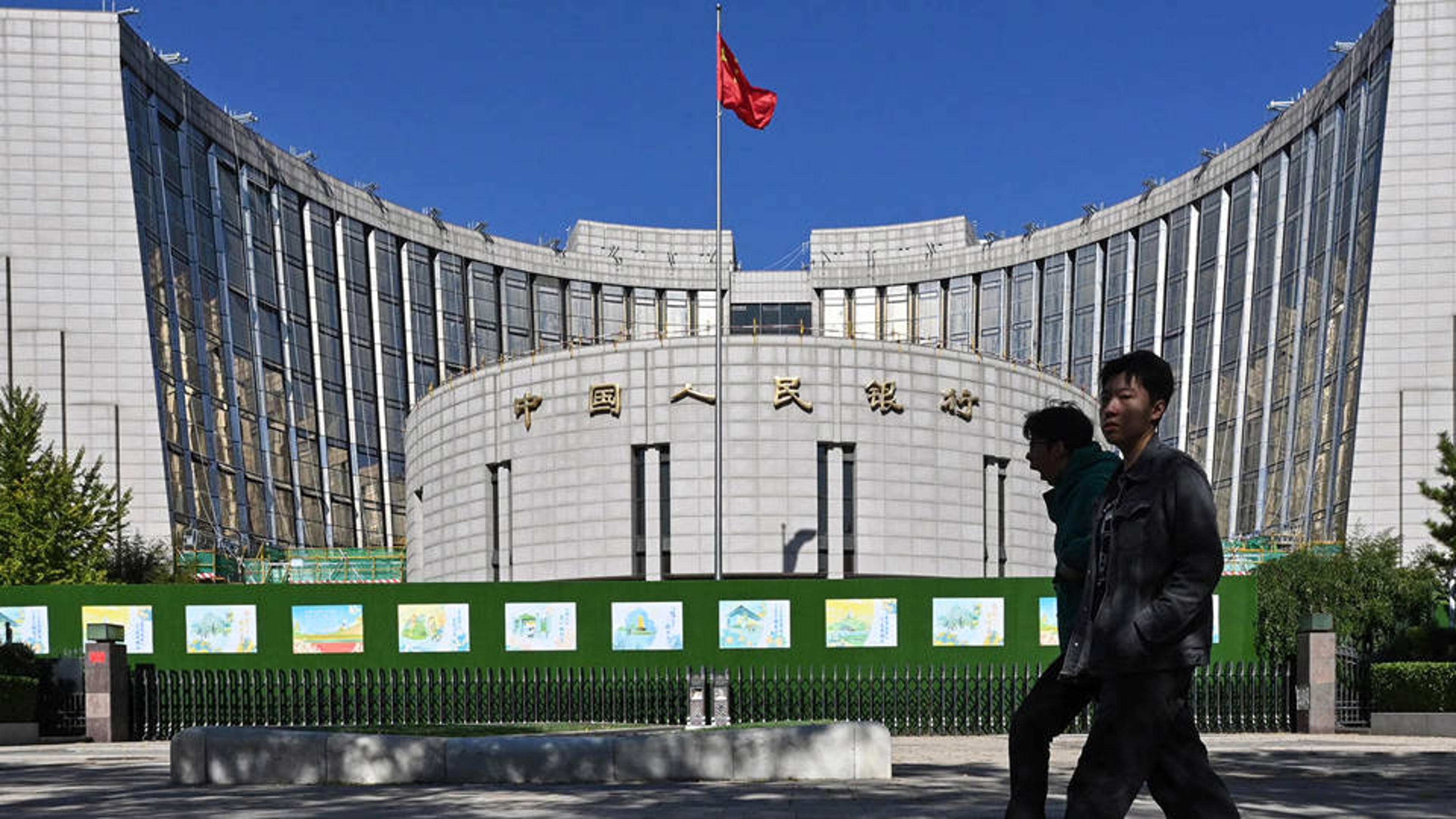
Could a BRICS Currency Work?
•February 12, 2026
0
Why It Matters
A BRICS currency or alternative settlement system could reshape global trade financing and dilute US monetary influence, affecting investors and policymakers worldwide.
Key Takeaways
- •Dollar dominance faces geopolitical pressures from emerging markets.
- •BRICS economies lack unified monetary policy framework.
- •Currency issuance would require robust legal and settlement infrastructure.
- •Digital payment rails could bypass need for new currency.
- •Political cohesion among BRICS members remains uncertain.
Pulse Analysis
The drive to reduce reliance on the US dollar reflects a broader shift in global finance, as emerging economies seek greater sovereignty over trade payments. The BRICS coalition, representing roughly 40% of world GDP, views a common currency as a symbolic counterweight to Western monetary hegemony. Yet the practical impetus lies in creating resilient, low‑cost settlement channels that can operate outside the reach of U.S. sanctions and policy swings, a goal that aligns with the bloc’s strategic interests.
Implementing a unified BRICS currency faces formidable obstacles. Member states maintain distinct inflation targets, interest‑rate regimes, and fiscal priorities, making coordinated monetary policy virtually impossible without a supranational authority akin to the European Central Bank. Legal frameworks for cross‑border settlement are fragmented, and the lack of a shared central bank raises questions about liquidity provision and crisis management. Moreover, geopolitical tensions—particularly between China and the West—introduce additional risk layers that could deter investors from embracing a new, untested monetary instrument.
Given these constraints, many analysts argue that digital payment rails and bilateral swap agreements offer a more pragmatic path forward. Blockchain‑based platforms and central‑bank digital currencies can facilitate near‑instant, low‑cost transactions while preserving national monetary autonomy. The recent expansion of BRICS+ further diversifies the coalition, providing a broader network for alternative financing without the need for a single currency. If these mechanisms mature, they could gradually erode the dollar’s monopoly, reshaping trade flows and prompting a re‑evaluation of reserve‑currency strategies worldwide.
Could a BRICS Currency Work?
Feb 12, 2026 · Jim O’Neill
Photo: Adek Berry/AFP via Getty Images
Economists have long dismissed the idea that a BRICS common currency could challenge the US dollar's role in the global economy, and for good reason. But that doesn't mean there couldn't be new common rails for settling trade between countries that want to escape the long arm of the US government.
LONDON – Could the BRICS (Brazil, Russia, India, China, South Africa) ever launch a shared currency to challenge the US dollar’s dominant position in the world economy? Like many conventional international economists, I have generally dismissed the idea, despite my own role in coining the BRICS acronym, which led to the creation of a formal BRICS club (since expanded into the BRICS+, with the addition of five new members).
0
Comments
Want to join the conversation?
Loading comments...