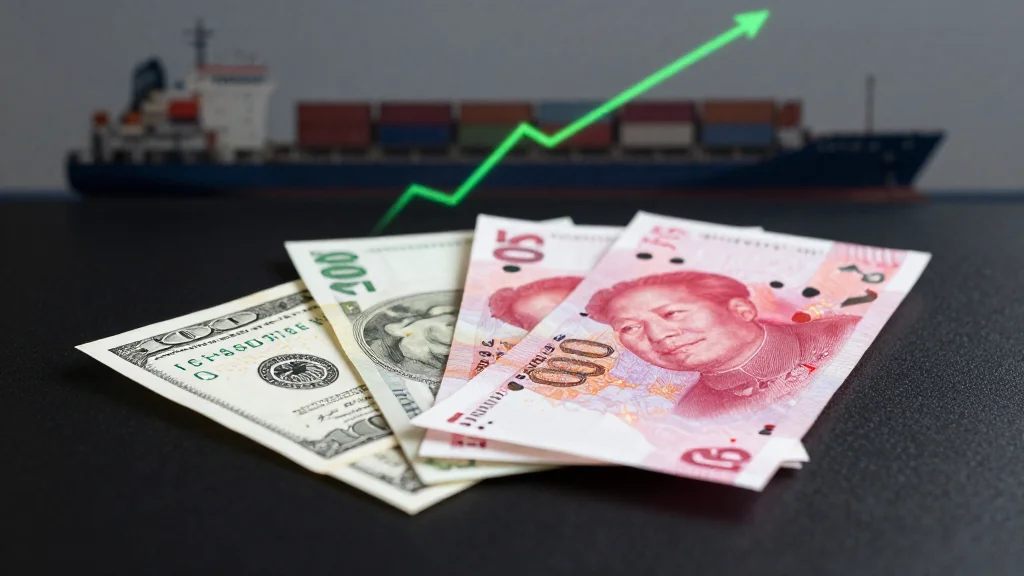
Dollar Dominance Is Surviving the Iran War – Just About
Companies Mentioned
Why It Matters
The episode shows that the dollar’s safe‑haven status still holds, but its strength now hinges more on the U.S. energy‑defence export advantage than on pure market confidence, signaling a potential shift in the foundations of global reserve currency dynamics.
Key Takeaways
- •Dollar gained ~2% vs basket during Iran war.
- •US 10‑year yield rose 35 bps to 4.3%, outpacing peers.
- •China’s 10‑year bond yield held steady at 1.8% amid crisis.
- •Renminbi appreciated, making China sole energy importer with stronger currency.
- •US oil, gas, weapons leadership insulates dollar from geopolitical shocks.
Pulse Analysis
The Iran‑Israel conflict has offered a real‑time stress test for the U.S. dollar’s safe‑haven reputation. Historically, crises trigger a flight to the greenback, pushing its value higher while bond yields fall. This time, the dollar appreciated roughly 2% against a broad basket, and Treasury yields rose modestly, reflecting a market that still views U.S. assets as relatively secure. Compared with past shocks—such as the 1991 Gulf War or the 2008 Lehman collapse—the dollar’s performance remains robust, suggesting that investors continue to trust the depth and liquidity of American capital markets.
Underlying this resilience is the United States’ dominant role in global energy and defense supply chains. As the world’s top producer of oil, natural gas, and weapons, the U.S. economy is less exposed to supply‑side disruptions caused by the war. This structural advantage helped contain the impact on Treasury yields, even as some foreign central banks, like Turkey’s, sold U.S. bonds to shore up domestic currencies. The modest 35‑basis‑point rise to 4.3% in the 10‑year yield indicates that the market perceives the United States as insulated from the immediate geopolitical fallout, rather than signaling a fundamental shift in the dollar’s status.
China, meanwhile, has emerged as a counterpoint, displaying unexpected calm. Its 10‑year government bond yield stayed at 1.8% and the renminbi strengthened, making it the only major energy‑importing nation with a appreciating currency during the conflict. This stability stems from China’s heavy reliance on coal and renewables, limiting exposure to oil price shocks, and from sizable strategic oil reserves—about 1.4 billion barrels, roughly three months of consumption. The divergent trajectories of the dollar and renminbi hint at a more nuanced future for reserve currency competition, where the U.S. advantage may increasingly rest on its energy‑defence export strength rather than on pure market confidence.
Dollar dominance is surviving the Iran war – just about
Comments
Want to join the conversation?
Loading comments...