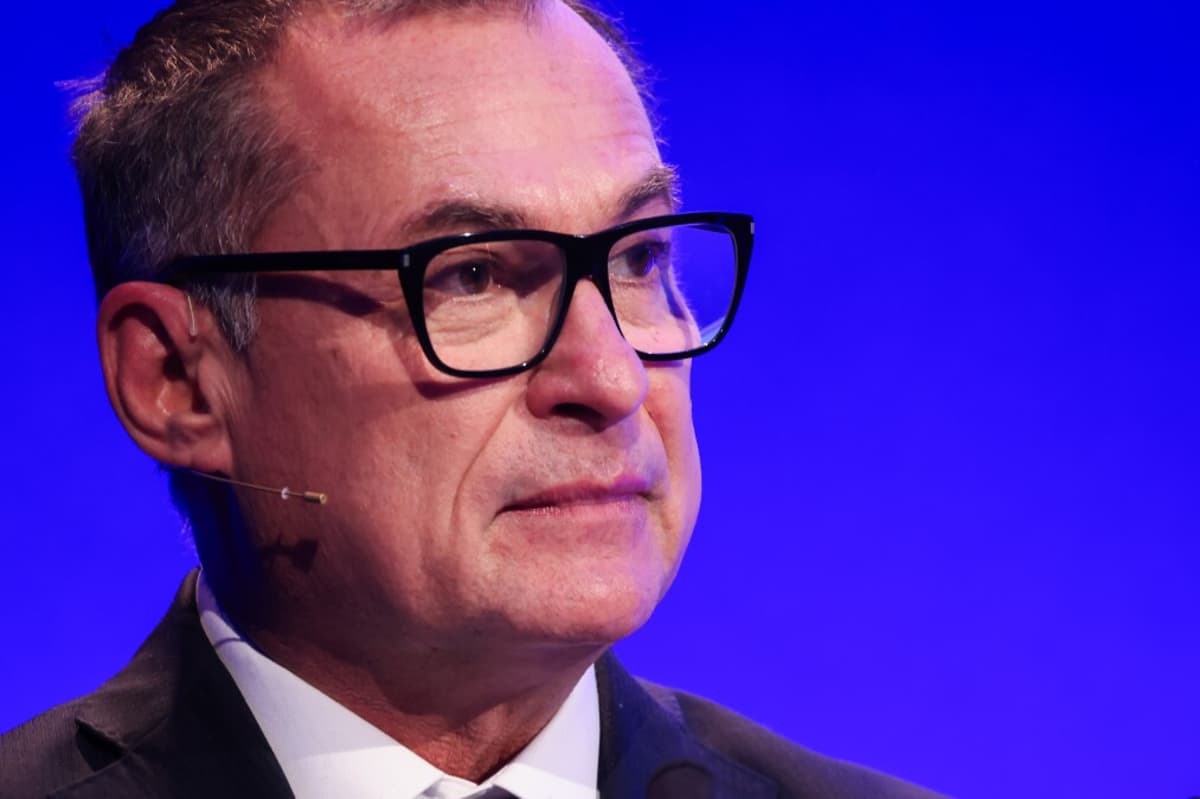
ECB's Nagel Says Trump's Fed Attacks Caused Flight to Safety
Why It Matters
The capital outflows signal growing skepticism about U.S. institutional integrity, potentially raising borrowing costs and reshaping global asset allocations. Central banks worldwide may face heightened pressure to reinforce independence amid political interference.
Key Takeaways
- •Trump’s Fed criticism triggers shift from stocks to Treasuries
- •Gold prices surge as investors seek non‑U.S. safe havens
- •Dollar weakness reflects broader distrust in U.S. institutions
- •Bundesbank data links political attacks to lower Treasury yields
- •ECB warns political pressure could undermine global monetary stability
Pulse Analysis
President Donald Trump’s vocal campaign against the Federal Reserve has moved beyond domestic politics, influencing global capital markets. By repeatedly questioning Fed Chair Jerome Powell and demanding aggressive rate cuts, Trump has cast doubt on the central bank’s autonomy. Such political pressure is rare in modern U.S. monetary history, but it resonates with investors who fear policy decisions could be swayed by electoral considerations rather than economic data. This backdrop sets the stage for heightened market sensitivity to any further presidential commentary on monetary policy.
The market reaction, documented in recent Bundesbank research, is stark. Treasury yields have slipped as investors flee equities for the perceived safety of government bonds, while equity indices have softened across sectors. Simultaneously, gold—a traditional hedge against uncertainty—has rallied, and the dollar has weakened against major currencies. These moves illustrate a two‑tiered flight to safety: a domestic shift toward low‑risk U.S. assets and an international reallocation away from dollar‑denominated holdings. The pattern underscores that investors are not merely betting on looser policy; they are reacting to perceived threats to institutional credibility.
For policymakers, the episode raises critical questions about the resilience of central‑bank independence. The European Central Bank, represented by Joachim Nagel, warns that such political interference could destabilize global financial stability, prompting other central banks to double down on their autonomy. In the United States, the upcoming nomination of Kevin Warsh to succeed Powell will be scrutinized for signals of independence. If political attacks persist, the U.S. may face higher financing costs, reduced foreign investment, and a more fragmented global monetary landscape, reinforcing the strategic importance of safeguarding central‑bank credibility.
ECB's Nagel says Trump's Fed attacks caused flight to safety
Comments
Want to join the conversation?
Loading comments...