Europe Is Squandering Its Leverage Over China
Companies Mentioned
Why It Matters
The proposal targets strategic technology sectors, aiming to curb dependency on China and boost European industrial resilience, a priority for policymakers facing sluggish growth.
Key Takeaways
- •German growth 0.2% versus China’s $1.19 trillion surplus
- •Goldman Sachs says growth would be 0.5% without China
- •Joint‑venture rule could protect EU high‑tech sector
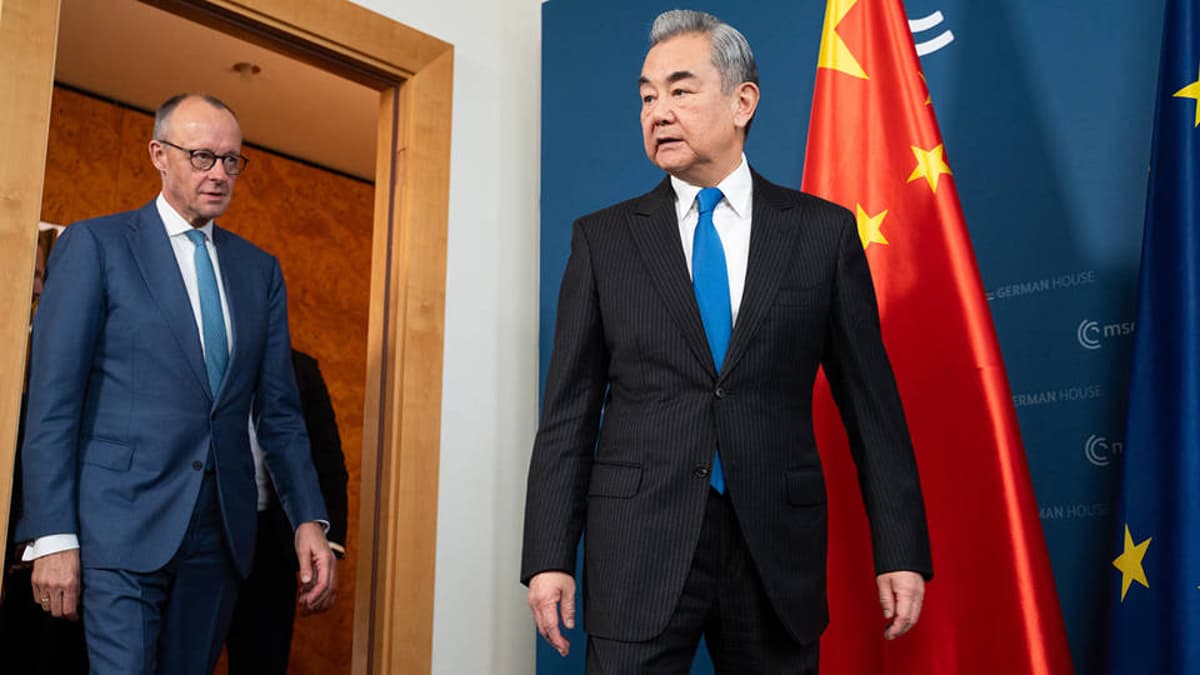
- •Merz’s China trip highlights policy urgency
- •Europe risks losing leverage in global tech race
Pulse Analysis
Europe’s economic slowdown is increasingly tied to China’s export dominance, especially in high‑technology markets. German data showing a mere 0.2 percent GDP rise in 2025 contrasts sharply with Beijing’s $1.19 trillion trade surplus, a gap that fuels political debate in Brussels and Berlin. Analysts argue that Chinese firms, backed by state subsidies, outprice European rivals, eroding market share in sectors ranging from semiconductors to renewable energy equipment. The disparity not only depresses growth figures but also raises security concerns about supply‑chain dependence.
One policy lever gaining traction is the requirement that Chinese high‑tech companies form joint ventures with European partners before accessing the EU market. Proponents claim such arrangements would force technology transfer, create local jobs, and give Europe a seat at the innovation table. Critics warn of retaliation, potential WTO disputes, and the risk of stifling competition. Nonetheless, the joint‑venture model mirrors past successes in automotive and aerospace, where shared R&D spurred domestic capability while still leveraging Chinese scale.
The broader strategic implication is clear: Europe must recalibrate its trade posture to safeguard critical industries. By leveraging regulatory tools, the EU can extract concessions, protect intellectual property, and nurture homegrown champions. This approach aligns with the EU’s “Strategic Autonomy” agenda, which seeks to reduce reliance on external powers for essential technologies. As Chancellor Merz prepares his diplomatic overture to Beijing, the joint‑venture proposal could become a cornerstone of Europe’s effort to rebalance the global tech ecosystem and revive its lagging growth trajectory.
Europe Is Squandering Its Leverage Over China


Comments
Want to join the conversation?
Loading comments...