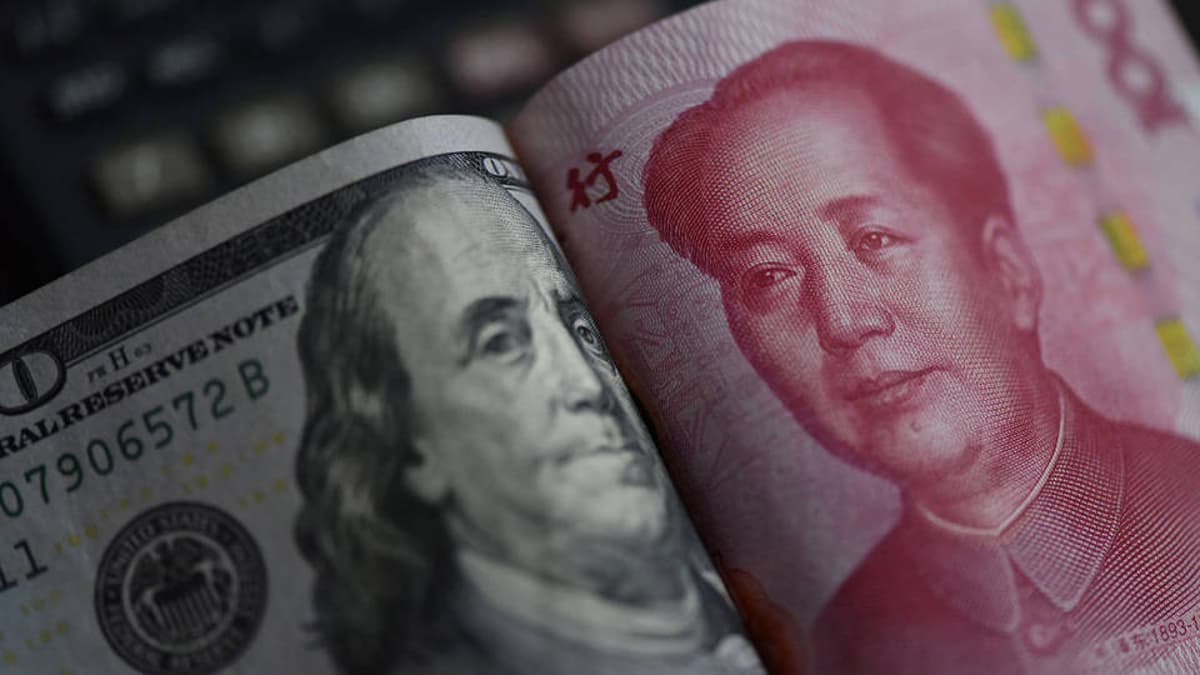
Has De-Dollarization Begun?
Why It Matters
A loss of confidence in the dollar could reshape reserve‑currency allocations, affecting trade, investment flows, and the U.S. borrowing cost. Emerging economies may accelerate diversification away from the greenback, reshaping global finance.
Key Takeaways
- •Trump’s Iran war sparks doubts about dollar’s reliability
- •IMF/World Bank meetings spotlight de‑dollarization concerns
- •UK chancellor labels the conflict a ‘folly’ for markets
- •Policymakers may speed up reserve‑currency diversification
Pulse Analysis
The recent flare‑up between the United States and Iran has reignited a debate that has lingered since the early 2000s: whether the U.S. dollar will retain its status as the world’s primary reserve currency. Historically, the dollar’s supremacy has been underpinned by the depth of U.S. capital markets, the stability of its institutions, and the geopolitical clout of the United States. When a president engages in unilateral military actions that threaten global supply chains and destabilize regions, investors and sovereign wealth funds reassess the risk premium attached to dollar‑denominated assets. The IMF and World Bank spring meetings in Washington served as a barometer, with several finance ministers voicing concerns that the United States is eroding the very trust that sustains its monetary hegemony.
Beyond diplomatic rhetoric, the practical implications of de‑dollarization are already materializing. Central banks in Europe and Asia have incrementally increased holdings of euros, yen, and emerging‑market currencies, while some have begun issuing sovereign digital currencies to reduce reliance on the greenback. The United Kingdom’s Treasury, represented by Chancellor Rachel Reeves, publicly condemned the war, signaling that even close allies are wary of the fiscal fallout. This diplomatic pushback could catalyze coordinated policy measures, such as multilateral agreements to settle trade in alternative currencies, thereby weakening the dollar’s invoicing advantage.
For businesses and investors, the shifting landscape demands proactive risk management. Companies with exposure to U.S. sanctions or volatile exchange rates should consider hedging strategies and diversify revenue streams into non‑dollar markets. Meanwhile, U.S. policymakers face a stark choice: restore confidence through predictable foreign policy and institutional reforms, or watch the dollar’s share of global reserves gradually decline. The next decade will likely determine whether the greenback remains the cornerstone of international finance or becomes one of several competing currencies in a more multipolar monetary system.
Has De-Dollarization Begun?
Comments
Want to join the conversation?
Loading comments...