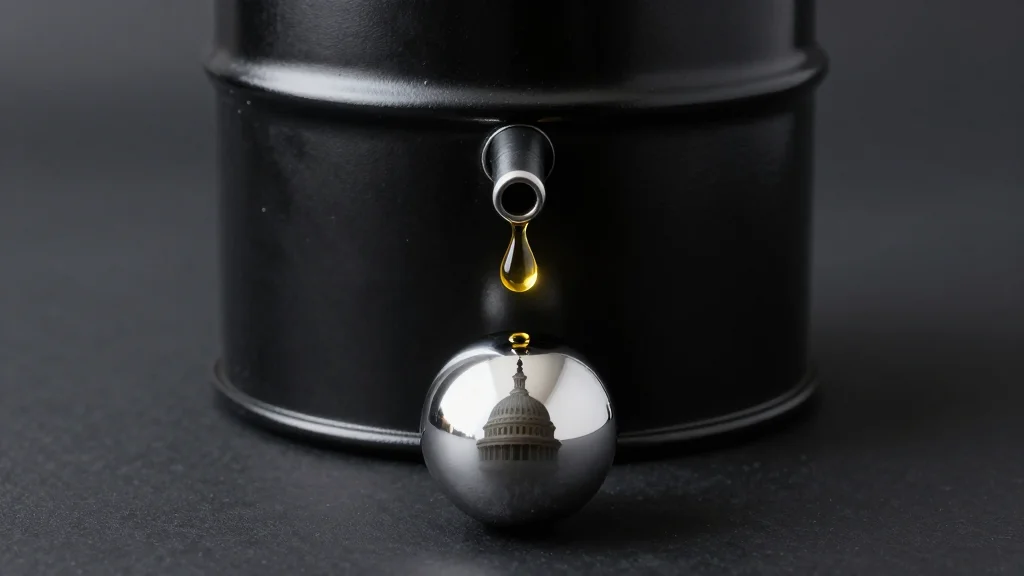
How the Petrodollar Regime Came to Be, and What Losing It Would Mean for the U.S.
Why It Matters
The petrodollar underpins the dollar’s reserve status; losing it would raise U.S. financing costs and weaken geopolitical leverage.
Key Takeaways
- •1974 Saudi‑U.S. pact tied oil pricing to the dollar
- •Petrodollar flows funded U.S. Treasury debt in early years
- •Oil‑rich nations can pressure the dollar by dumping bonds
- •China’s yuan tolls in Hormuz signal a challenge to petrodollar
Pulse Analysis
The origins of the petrodollar trace back to the 1973 oil shock, when an Arab embargo forced Washington to secure a new revenue stream for its allies. By convincing Saudi Arabia to price all oil sales in dollars and to reinvest surplus earnings in U.S. Treasury securities, the United States created a self‑reinforcing loop: oil‑rich nations needed dollars, and the Treasury market gained a reliable buyer. This arrangement not only stabilized the post‑Nixon economy but also gave the dollar a decisive edge over competing currencies, cementing its status as the primary reserve asset.
Over the ensuing decades, the petrodollar regime reshaped global finance. Gulf states pegged their currencies to the dollar, and the steady inflow of petrodollars helped keep U.S. borrowing costs low, as Treasury yields were anchored by predictable demand. The system also granted Washington leverage: the threat of a coordinated bond sell‑off could destabilize markets, a tool subtly wielded during diplomatic negotiations. Consequently, the dollar’s dominance became intertwined with geopolitical alliances, reinforcing American influence in trade, investment, and monetary policy.
Today, that dominance faces its first serious test. China’s strategic move to collect yuan tolls for vessels transiting the Strait of Hormuz, coupled with Iran’s openness to non‑dollar oil contracts, signals a nascent diversification of oil pricing. If major exporters gradually shift to alternative currencies or assets, the U.S. could see higher Treasury yields, a weaker dollar, and reduced clout in international finance. Policymakers therefore must weigh the costs of maintaining traditional alliances against the need to adapt to a multipolar monetary landscape, ensuring the dollar’s resilience amid evolving energy markets.
How the petrodollar regime came to be, and what losing it would mean for the U.S.
Comments
Want to join the conversation?
Loading comments...