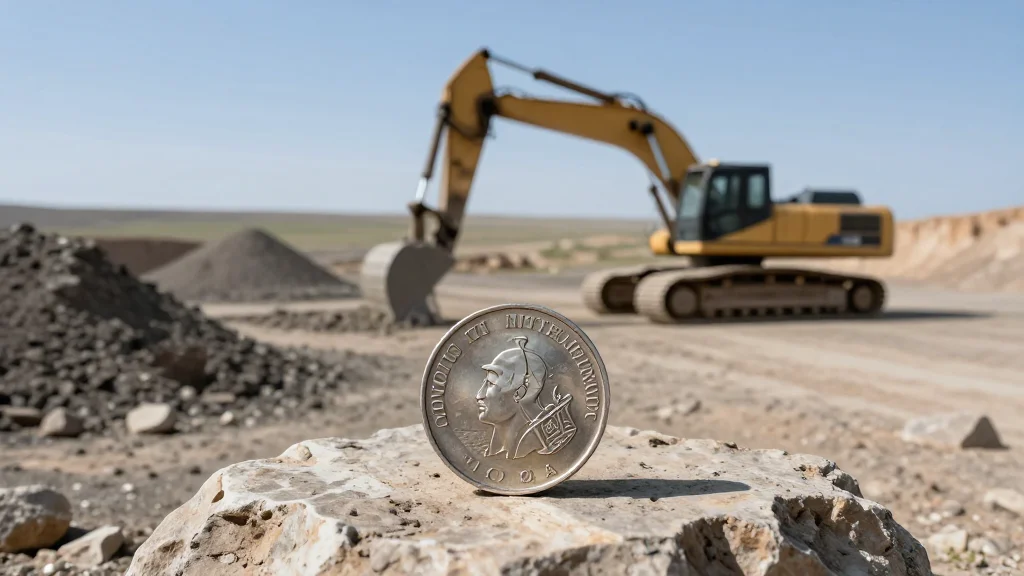
Mongolia's Central Bank Pushes Rate Cuts to H2 2026 Amid Inflation and Tugrik Weakness

Why It Matters
Mongolia’s decision to delay interest‑rate cuts highlights the fragility of emerging‑market economies that rely heavily on commodity exports and face external currency shocks. By keeping policy rates higher for longer, the central bank aims to anchor inflation expectations, but the move also raises borrowing costs, potentially slowing diversification efforts beyond mining. The policy shift will influence regional capital allocation, as investors recalibrate risk assessments for markets with similar exposure to global inflation and a strong dollar. The broader implication is a possible re‑pricing of emerging‑market debt and equity, as investors demand higher premiums for economies where monetary policy remains constrained. Mongolia’s experience may prompt other resource‑dependent nations to adopt a more cautious stance, reinforcing the link between commodity cycles, currency stability, and monetary policy in shaping global capital flows.
Key Takeaways
- •Mongolia’s central bank postpones interest‑rate cuts to the second half of 2026.
- •Decision driven by inflation remaining above the 4% target and tugrik depreciation.
- •Policy rate stays unchanged, keeping borrowing costs elevated for businesses and consumers.
- •Delay may redirect short‑term capital away from Mongolia toward markets with clearer easing paths.
- •Central bank will reassess easing in H2 2026 based on inflation, exchange‑rate, and mining export data.
Pulse Analysis
Mongolia’s monetary‑policy delay is a textbook example of how emerging markets must prioritize price stability over growth when faced with external shocks. The country’s heavy reliance on copper and coal exports makes it vulnerable to global price swings, and a weakening tugrik amplifies imported‑inflation pressures. By holding the policy rate steady, the central bank protects its inflation‑targeting credibility, a crucial factor for maintaining investor confidence and preserving sovereign credit ratings.
However, the trade‑off is evident. Higher rates constrain credit growth, limiting the financing needed for diversification into sectors like tourism, agriculture, and manufacturing. This could entrench Mongolia’s dependence on mining, making the economy more susceptible to future commodity downturns. The policy stance also sends a signal to regional investors that emerging‑market assets are not immune to the tightening cycles seen in advanced economies, potentially prompting a shift toward markets with clearer easing trajectories.
Looking forward, the key determinant will be whether inflationary pressures ease as global commodity markets stabilize and the tugrik finds a floor against the dollar. If price growth moderates and the currency stabilizes, the central bank could resume its easing roadmap in H2 2026, offering a boost to domestic demand and restoring investor optimism. Conversely, persistent inflation or further currency weakness could force an even longer period of tight policy, deepening the challenge of economic diversification. Mongolia’s path will therefore serve as a bellwether for other resource‑rich emerging economies navigating the post‑pandemic inflationary environment.
Mongolia's Central Bank Pushes Rate Cuts to H2 2026 Amid Inflation and Tugrik Weakness
Comments
Want to join the conversation?
Loading comments...