Global Economy News and Headlines
  • All Technology
  • AI
  • Autonomy
  • B2B Growth
  • Big Data
  • BioTech
  • ClimateTech
  • Consumer Tech
  • Crypto
  • Cybersecurity
  • DevOps
  • Digital Marketing
  • Ecommerce
  • EdTech
  • Enterprise
  • FinTech
  • GovTech
  • Hardware
  • HealthTech
  • HRTech
  • LegalTech
  • Nanotech
  • PropTech
  • Quantum
  • Robotics
  • SaaS
  • SpaceTech
AllNewsDealsSocialBlogsVideosPodcastsDigests

Global Economy Pulse

EMAIL DIGESTS

Daily

Every morning

Weekly

Sunday recap

NewsDealsSocialBlogsVideosPodcasts
Global EconomyNewsPhilippines’ Central Bank Delivers Expected Rate Cut Paired with Uncertain Guidance
Philippines’ Central Bank Delivers Expected Rate Cut Paired with Uncertain Guidance
CurrenciesGlobal EconomyEmerging Markets

Philippines’ Central Bank Delivers Expected Rate Cut Paired with Uncertain Guidance

•February 19, 2026
0
ING — THINK Economics
ING — THINK Economics•Feb 19, 2026

Why It Matters

The cautious stance signals that further rate cuts remain possible, keeping borrowing costs low but also sustaining peso weakness and market uncertainty. Investors and policymakers must monitor confidence and fiscal dynamics as they will shape the Philippines’ growth trajectory.

Key Takeaways

  • •BSP cut rate 25 bps to 4.25%
  • •Forward guidance turned cautious, removed “nearing end of easing”
  • •Inflation forecast nudged to 3.6% 2026, 3.2% 2027
  • •Real rates stay around 2.25% despite cut
  • •Growth outlook trimmed to 5.2% with downside risks

Pulse Analysis

The Bangko Sentral ng Pilipinas (BSP) delivered a modest 25‑basis‑point rate cut, bringing the benchmark to 4.25%. While the move aligns with analysts’ forecasts, the central bank’s tone shifted noticeably. By stripping away language that suggested an imminent end to easing, the BSP highlighted lingering doubts about the recovery’s strength. Inflation expectations were adjusted upward only slightly, to 3.6% for 2026 and 3.2% for 2027, reflecting one‑off factors such as electricity rate adjustments and rice pricing mechanisms. Real interest rates, however, remain high at roughly 2.25%, indicating that monetary conditions are still tighter than the economy’s momentum can comfortably absorb.

Growth prospects in the Philippines have become more fragile. The latest GDP projection for 2026 was trimmed to 5.2%, with downside risks stemming from weak government spending, subdued consumer sentiment, and ongoing political uncertainty. These factors erode confidence, a variable the BSP now places at the core of its policy reaction function. Persistent real‑rate pressure, combined with a softening demand environment, keeps the door open for additional easing. Such a trajectory would likely weaken the peso against the US dollar, affecting import costs and external debt servicing for corporates and the sovereign.

For investors, the BSP’s data‑dependent stance creates a nuanced risk‑reward landscape. While further cuts could support credit markets and spur domestic consumption, they also raise concerns about inflationary spillovers and currency depreciation. Regional peers, such as Indonesia and Thailand, are navigating similar confidence‑driven policy dilemmas, making comparative analysis essential. Market participants should watch upcoming consumer confidence surveys, fiscal policy adjustments, and any political developments that could shift the BSP’s calculus, as these will dictate the pace and extent of future monetary easing.

Philippines’ central bank delivers expected rate cut paired with uncertain guidance

19 February 2026

The Bangko Sentral Pilipinas delivered an expected 25 bp rate cut but offered cautious and uncertain forward guidance as the recovery in growth remains softer than anticipated. Elevated real rates and subdued confidence keep the risks tilted towards further easing

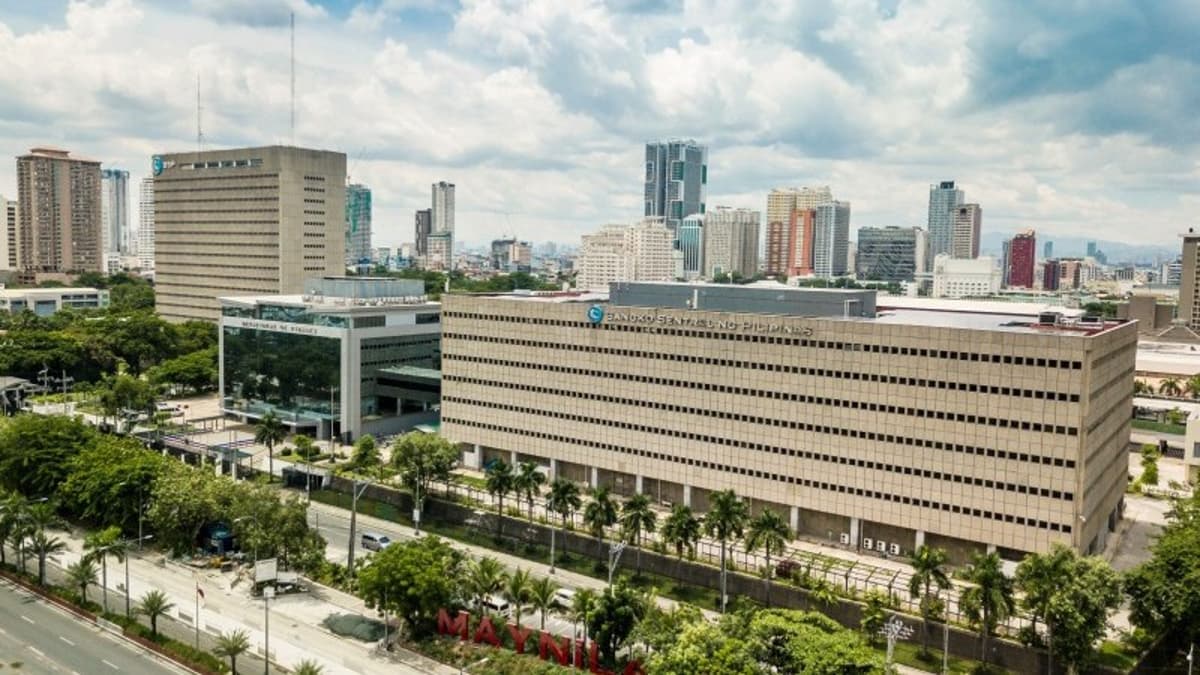
Bangko Sentral ng Pilipinas in Manila

BSP Headquarters in Manila

Expected BSP rate cut comes with cautious, uncertain forward guidance

The BSP lowered its target rate by 25 bp to 4.25 %, in line with both our expectations and the broader consensus. The tone of the decision was noticeably more uncertain, reflecting a softer‑than‑expected growth recovery. This shift led the BSP to remove language suggesting it was “nearing the end of easing,” resulting in a more neutral stance. The BSP also expressed reasonable concern around soft consumer and business sentiment, resulting from weak government spending.

BSP stays data‑dependent, but confidence takes centre stage

Looking ahead, further easing will depend heavily on how quickly confidence returns. Confidence is increasingly becoming a core driver of the BSP’s policy reaction function. While the BSP’s latest inflation forecasts were nudged slightly higher – to 3.6 % in 2026 and 3.2 % in 2027 (from 3.2 % and 3 % previously) – inflation is still expected to remain largely contained. The upward revision mainly reflects one‑off supply‑side factors such as adjustments in electricity rates, the flexible rice pricing mechanism, and base effects, all of which should have only a transitory impact on inflation.

Muted growth outlook leaves door open for more policy easing

Real rates remain elevated at around 2.25 % even after today’s rate cut, with the latest inflation print at roughly 2 %. This keeps monetary conditions tighter than what current economic momentum seems able to absorb.

We recently trimmed our 2026 GDP growth forecast further to 5.2 % with risks skewed to the downside. The latest 4Q data shows that soft government spending has become a more persistent drag, weighing not only on fiscal outlays but also on business and household confidence. We expect this pressure to persist at least through the first half of 2026, given ongoing investigations and unresolved political uncertainty that continue to dampen sentiment.

Against this backdrop of softer demand, elevated real rates, and lingering confidence issues, the door remains open for additional monetary easing. The risk of further monetary policy easing is likely to keep the peso weaker vs the US dollar.

Content Disclaimer

This publication has been prepared by ING solely for information purposes irrespective of a particular user's means, financial situation or investment objectives. The information does not constitute investment recommendation, and nor is it investment, legal or tax advice or an offer or solicitation to purchase or sell any financial instrument. Read more

Read Original Article
0

Comments

Want to join the conversation?

Loading comments...