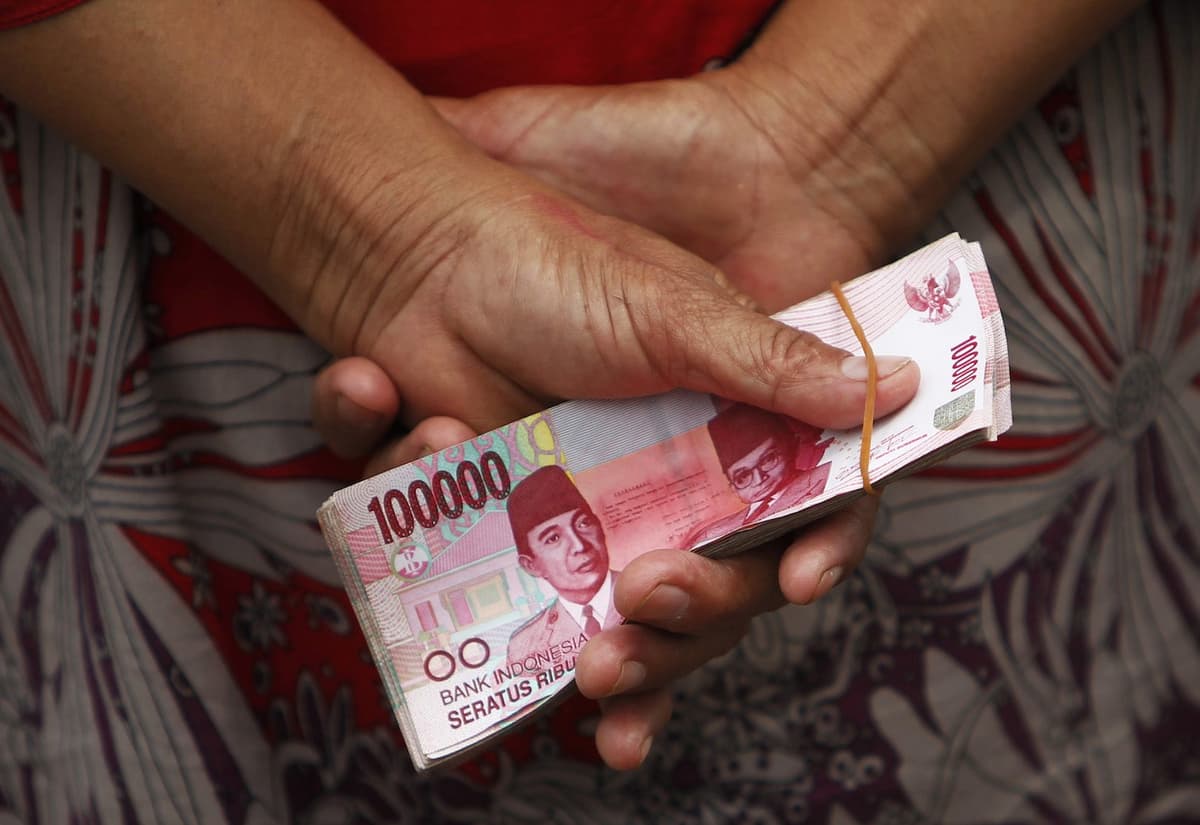
Rupiah’s Collapse Could Trigger a Political Crisis for Prabowo
Why It Matters
A collapsing currency is turning Indonesia's cost‑of‑living squeeze into a political risk, potentially destabilizing the nation’s economic reform agenda and Prabowo’s administration.
Key Takeaways
- •Rupiah fell to 18,155 per dollar, its weakest level ever.
- •Imported inflation pushes food, fuel, and transport costs higher for households.
- •Middle‑class savings erode as real wages stagnate and spending cuts rise.
- •Over 88,000 formal jobs lost in 2025, plus 23,470 layoffs this year.
- •Hashtag #IndonesiaGelap fuels digital dissent, reflecting widening economic frustration.
Pulse Analysis
The rupiah’s slide to a record 18,155 per dollar marks the deepest devaluation since the 1997‑98 Asian financial crisis, underscoring Indonesia’s vulnerability to external shocks. While the government points to solid fundamentals, the surge in the dollar’s value has amplified the cost of imported oil, soybeans, wheat and livestock feed, feeding a wave of imported inflation that reverberates through the entire economy. Analysts warn that without decisive policy action, the currency’s weakness could spiral, pressuring the nation’s balance of payments and foreign‑exchange reserves.
At the household level, the weaker rupiah is eroding real incomes and depleting savings. Indonesia’s expansive middle class, once the engine of consumption, now faces stagnant wages amid rising transport, power and food bills. Many families have postponed major purchases and turned to high‑interest online loans, while a nascent gig‑economy working poor struggles without stable earnings or social protection. The cumulative effect is a sharp decline in discretionary spending, threatening the country’s consumer‑driven growth model and widening inequality.
Politically, the economic strain is feeding a credibility gap for President Prabowo Subianto, who campaigned on 8% growth and expansive welfare programs. The loss of over 88,000 formal jobs in 2025 and additional layoffs this year have sparked protests, amplified by the viral #IndonesiaGelap hashtag. As digital dissent coalesces with street demonstrations, the administration faces mounting pressure to address the cost‑of‑living crisis or risk a broader political upheaval that could destabilize Indonesia’s reform trajectory.
Rupiah’s collapse could trigger a political crisis for Prabowo
Comments
Want to join the conversation?
Loading comments...