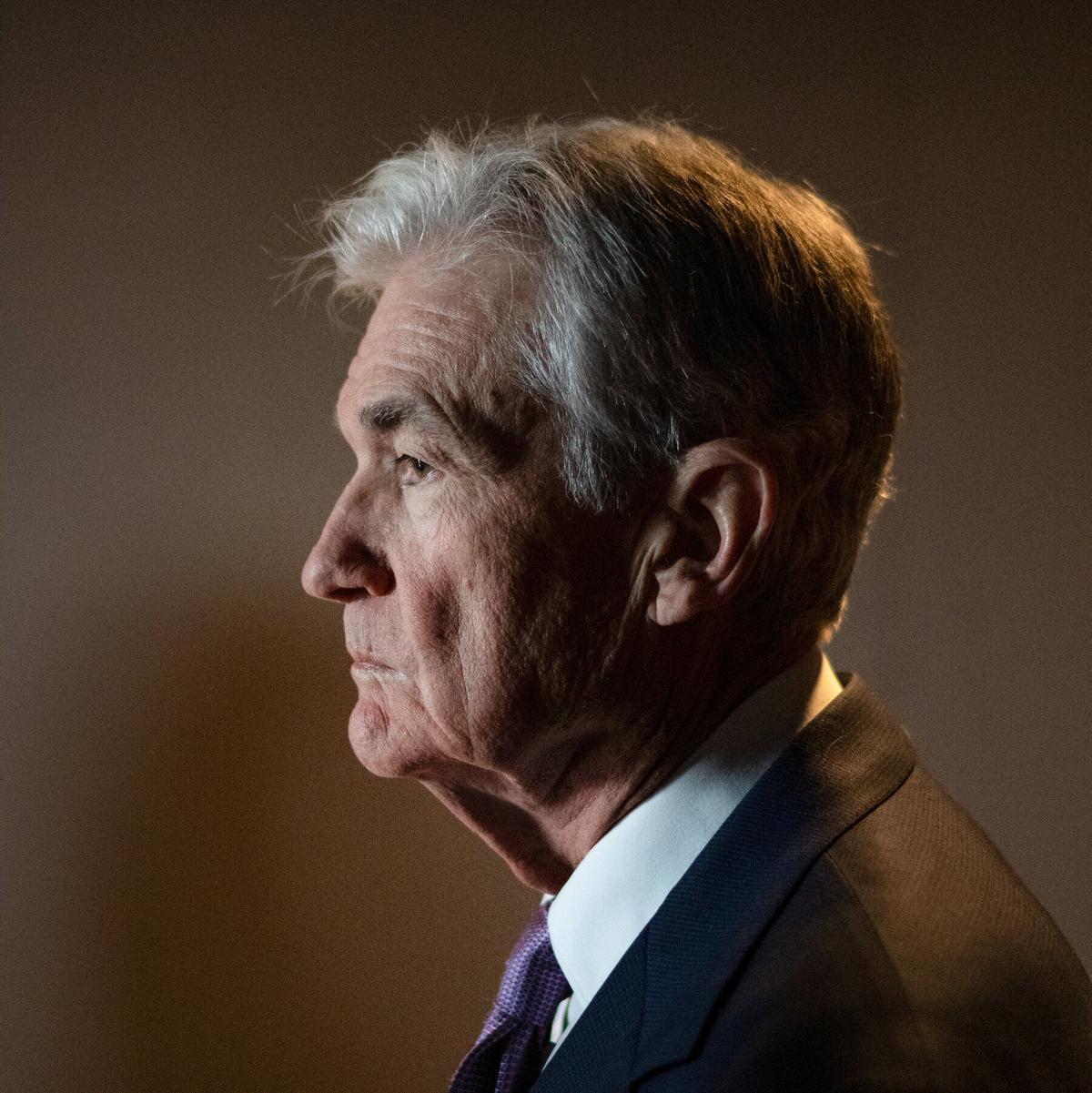
Transition to a New Fed Chair Is Unlikely to Mean Immediate Rate Cuts
Why It Matters
A steady‑rate stance limits borrowing‑cost volatility and signals that political pressure won’t immediately reshape monetary policy, affecting businesses and investors.
Key Takeaways
- •Fed holds rates at 3.5%-3.75% amid lingering inflation risk
- •Powell’s likely final chair meeting coincides with Warsh’s confirmation vote
- •Trump pushes for cuts, but Fed cites no urgency for easing
- •Markets price in no rate‑cut pivot through the end of 2026
Pulse Analysis
The Federal Reserve’s upcoming decision to maintain its policy rate in the 3.5%‑3.75% band reflects a cautious stance amid persistent inflationary pressures. Jerome Powell, who has steered the central bank through a volatile post‑pandemic environment, is expected to deliver his final press conference as chair. While his governorship extends to 2028, the market’s focus has shifted to the impending leadership transition and how it might affect the Fed’s trajectory. By holding rates steady, the Fed signals confidence that its current monetary framework remains appropriate for anchoring inflation expectations.
Political dynamics add another layer of complexity. President Donald Trump has openly advocated for lower borrowing costs, urging his hand‑picked nominee, Kevin Warsh, to deliver rate cuts. Warsh, however, has publicly denied any promise to ease policy in exchange for the chairmanship, and Senate Democrats remain skeptical of his independence. The Senate Banking Committee’s upcoming vote will determine whether Warsh can secure confirmation without appearing as a partisan instrument. This scrutiny underscores the delicate balance the Fed must maintain between political pressures and its statutory mandate for price stability.
Financial markets have already priced in the Fed’s decision, with futures and swap curves indicating little expectation of a rate‑cut pivot this year. A continued hold protects borrowers from sudden cost spikes while giving the Fed breathing room to assess inflation data without the urgency of a policy reversal. For investors, the message is clear: short‑term rate volatility is likely muted, but longer‑term positioning should consider the potential for gradual tightening if inflation proves more resilient than anticipated. This nuanced outlook reinforces the importance of monitoring both macroeconomic indicators and the political environment surrounding the Fed’s next chair.
Transition to a New Fed Chair Is Unlikely to Mean Immediate Rate Cuts
Comments
Want to join the conversation?
Loading comments...