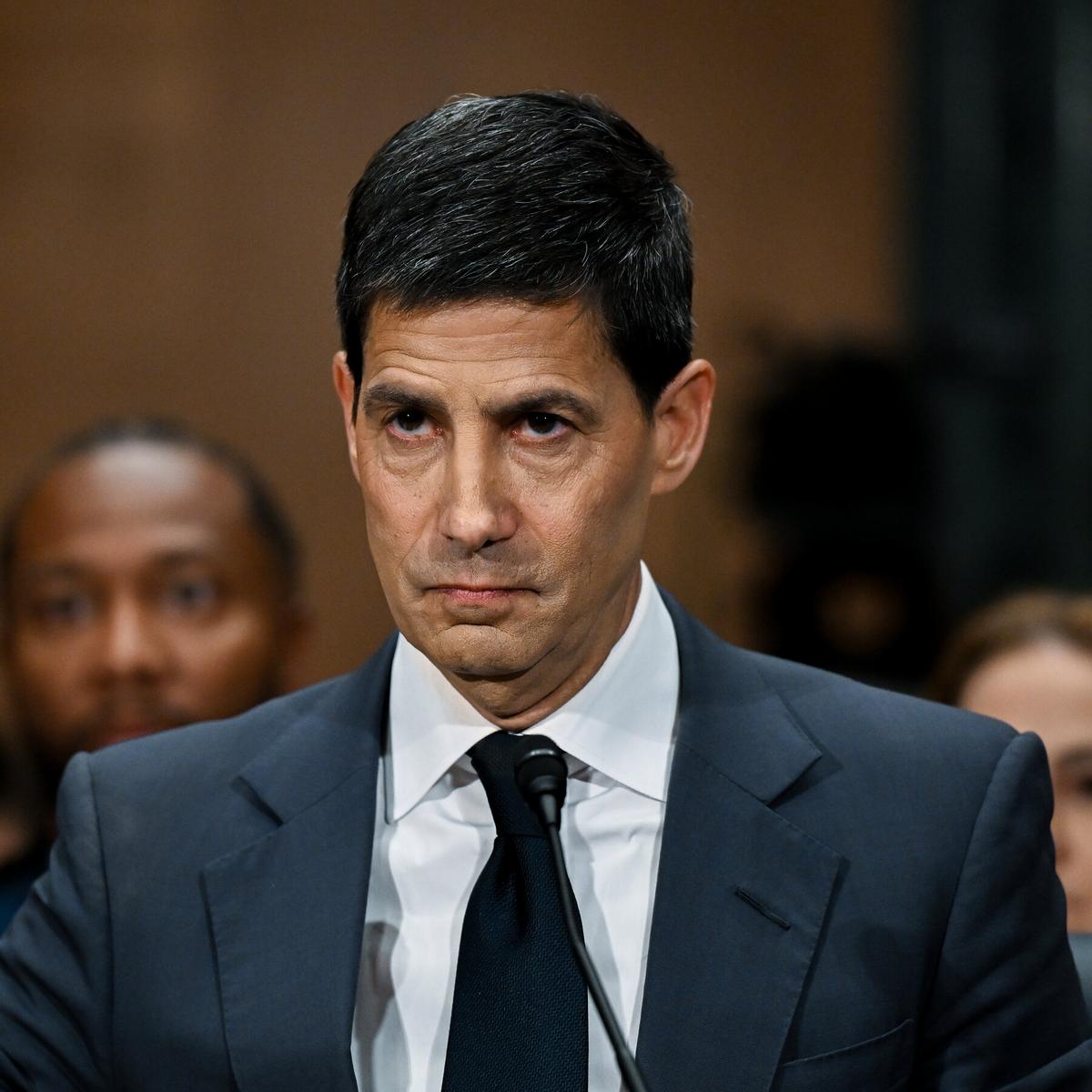
Why a Warsh-Led Fed May Keep Interest Rates Higher for Longer
Companies Mentioned

Why It Matters
The Fed's policy direction will influence borrowing costs, market valuations, and inflation expectations, making Warsh’s stance pivotal for the U.S. economy.
Key Takeaways
- •Warsh nominated by Trump faces high inflation at three-year peak
- •CPI data shows inflation rising, pressuring Fed to keep rates elevated
- •Fed independence challenged as Trump pushes for lower borrowing costs
- •Geopolitical tension with Iran adds inflationary risk, complicating policy
- •Warsh's stance could shape monetary policy for years ahead
Pulse Analysis
Kevin Warsh, a former Federal Reserve governor under George W. Bush, re‑emerged as President Donald Trump’s leading candidate for Fed chair in early 2026. Known for his dovish stance on monetary policy, Warsh previously advocated for lower rates to spur growth, a view that aligns with Trump’s push for cheaper borrowing. His nomination arrives amid a Senate that is split on the balance between political pressure and central‑bank autonomy. If confirmed, Warsh would inherit a Fed confronting unprecedented inflationary pressures and heightened geopolitical risk.
The latest Consumer Price Index released on May 10 showed inflation climbing to a three‑year high of roughly 4.2 %, driven largely by energy prices and supply‑chain disruptions linked to the ongoing conflict with Iran. Economists warn that premature rate cuts could entrench these price gains, prompting many Fed officials to argue for a “higher‑for‑longer” stance. Warsh must weigh the data against Trump’s demand for lower borrowing costs, a tension that could force the central bank to keep the federal funds rate near the current 5.25‑5.50 % range longer than markets expect.
Market participants are already pricing in a slower pace of cuts, but a decisive Fed chair could shift expectations dramatically. Should Warsh signal a commitment to maintaining elevated rates, Treasury yields may rise and equity valuations could face pressure, especially in rate‑sensitive sectors like technology and real estate. Conversely, a pivot toward easing would likely buoy stocks but risk reigniting inflation expectations. The episode underscores how political appointments can reshape monetary policy trajectories, making the upcoming Senate vote a focal point for investors worldwide.
Why a Warsh-Led Fed May Keep Interest Rates Higher for Longer
Comments
Want to join the conversation?
Loading comments...