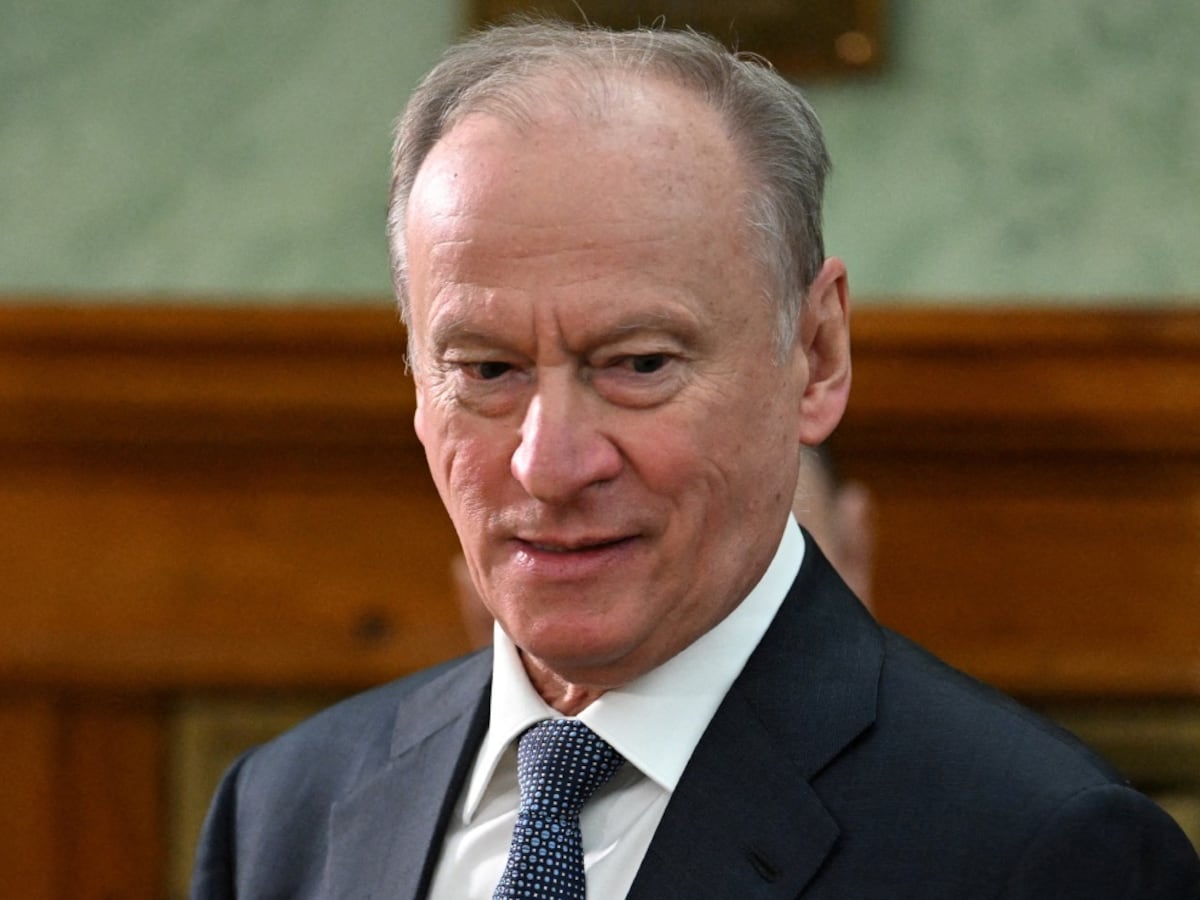
World Briefs | Putin Ally Warns European Powers over Seizure of Russian Vessels
Companies Mentioned
Why It Matters
The developments signal escalating geopolitical friction, shifting energy supply chains, and resilient trade dynamics that could reshape global markets and security calculations.
Key Takeaways
- •Russia may militarize navy to protect seized vessels
- •Rosatom ends Siemens contract, seeks new equipment
- •Italy's US exports grow 7% despite tariffs
- •Hormuz drills cause temporary shipping closure
- •Canada pitches CANDU reactors for Poland's nuclear expansion
Pulse Analysis
The threat from Russia’s naval leadership reflects a broader strategy to counter Western sanctions that have targeted over 30,000 entities since the Ukraine conflict began. By signaling possible retaliation against European shipping, Moscow aims to deter further asset seizures and maintain a foothold in critical maritime routes. Analysts note that such rhetoric could translate into real naval deployments, raising insurance premiums and prompting NATO to reassess its maritime posture in the Black Sea and surrounding waters.
Energy markets are simultaneously undergoing realignment. Rosatom’s decision to release Siemens from the Paks II project illustrates the fragility of cross‑border nuclear collaborations under geopolitical strain, prompting Russia to explore alternative suppliers. In contrast, Italy’s export surge to the United States, despite a 15% tariff regime, showcases the resilience of high‑value European goods and the effectiveness of diversified supply chains. Meanwhile, Canada’s push for CANDU reactors in Poland underscores a strategic bid to expand its nuclear technology footprint in Europe, offering a non‑U.S. alternative that could influence future energy security policies across the continent.
Maritime security remains a flashpoint, as evidenced by the temporary closure of the Strait of Hormuz for Iranian Revolutionary Guard drills. The strait handles roughly 20% of global oil shipments, and even brief interruptions can ripple through energy prices and logistics planning. Coupled with political shifts such as Reform UK’s appointment of Robert Jenrick as finance‑policy chief, these events illustrate a landscape where geopolitical maneuvering, energy diversification, and trade resilience intersect, compelling businesses and policymakers to adapt swiftly to an increasingly volatile international environment.
World briefs | Putin ally warns European powers over seizure of Russian vessels


Comments
Want to join the conversation?
Loading comments...