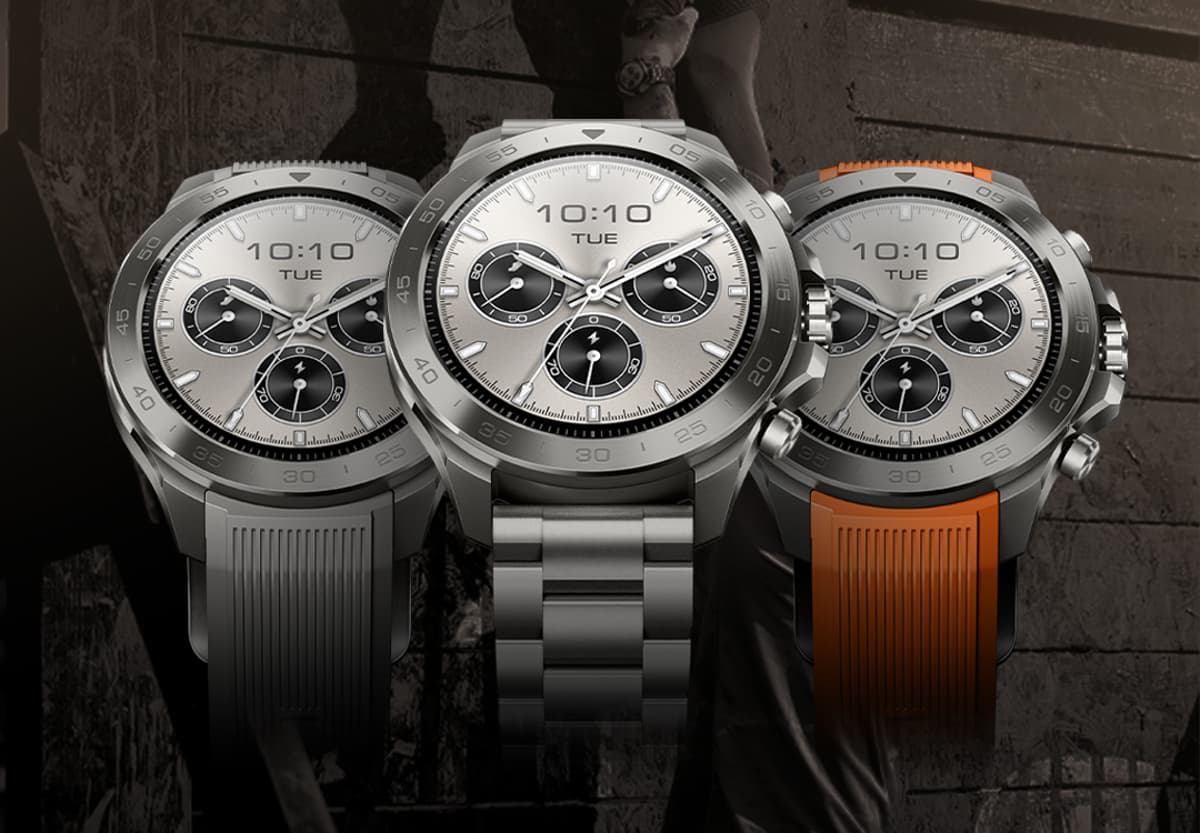
Mibro Explorer S Titanium: Accessible Outdoor Performance in a Titanium Body
Key Takeaways
- •Titanium case, 40% lighter than stainless steel
- •MIL‑STD‑810H certified, survives -30°C to 70°C
- •Dual‑frequency GNSS with offline maps, no cellular needed
- •10 ATM water resistance, includes dedicated diving mode
- •Barometer and SpO₂ alerts enhance safety on hikes
Summary
Mibro launched the Explorer S Titanium, a rugged outdoor smartwatch priced at $249.99. It features an aerospace‑grade titanium unibody that is 40% lighter than stainless steel and meets MIL‑STD‑810H durability standards. The watch offers dual‑frequency GNSS, offline maps, 10 ATM water resistance and health sensors such as barometer and SpO₂. By combining premium materials with essential navigation tools, Mibro targets casual adventurers seeking affordable performance.
Pulse Analysis
The outdoor smartwatch segment has long been dominated by premium brands that charge upwards of $400 for rugged cases, multi‑satellite navigation and advanced health metrics. Mibro’s Explorer S Titanium disrupts that model by delivering comparable durability and core navigation features at a sub‑$250 price point. This price‑to‑performance shift aligns with a broader consumer trend toward accessible, high‑quality wearables that can transition from the office to the trail without a steep learning curve.
By positioning the device as “outdoor for everyone,” Mibro taps into a growing demographic of casual hikers, trail runners and water‑sport enthusiasts who previously settled for less capable fitness trackers. The Explorer S’s aerospace‑grade titanium unibody is the centerpiece of its durability claim, offering a hardness of up to 600 HV and a weight reduction of roughly 40 % compared with stainless steel cases. Certified to MIL‑STD‑810H, the watch endures shock, dust, salt spray and temperature extremes from –30 °C to 70 °C, while its 10 ATM rating supports swimming, surfing and freediving to 30 m. Integrated health sensors—real‑time barometric pressure and SpO₂ monitoring—provide early warnings for sudden weather changes and altitude‑related stress, adding a safety layer without complicating the user interface.
Mibro’s aggressive pricing forces incumbents such as Garmin and Suunto to reconsider the value proposition of their mid‑tier lines, potentially spurring a wave of cost‑cutting innovations. For retailers, the Explorer S offers a compelling entry point that can upsell accessories like extra straps or premium map packs, while manufacturers may explore further material optimizations to stay competitive. As consumers increasingly demand rugged wearables that double as everyday smart devices, the market is likely to see more hybrid offerings that blend durability, navigation and health monitoring at mainstream price points.
Mibro Explorer S Titanium: Accessible Outdoor Performance in a Titanium Body


Comments
Want to join the conversation?