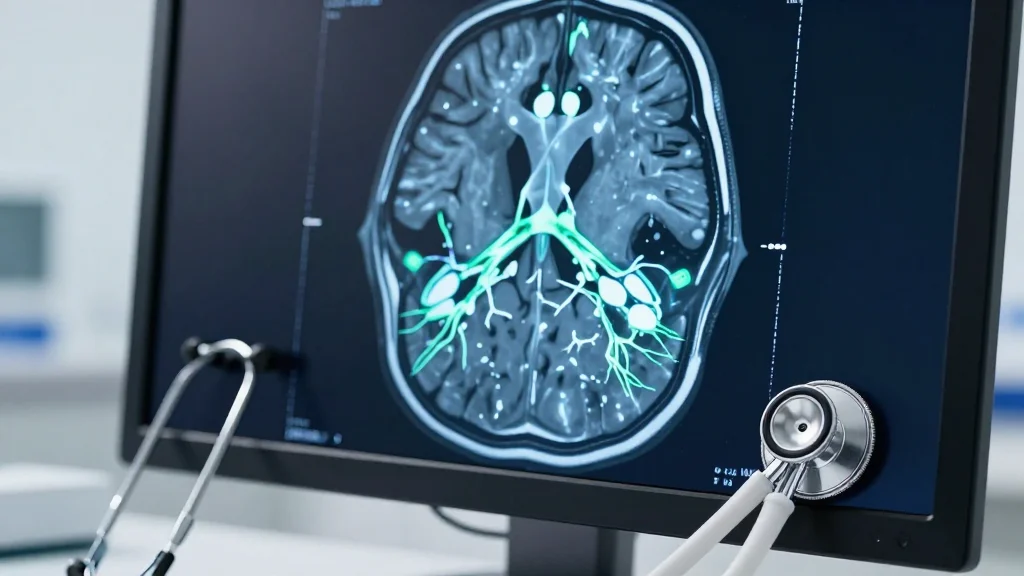
8 Recent Studies on AI in Diagnosis and Clinical Reasoning
Companies Mentioned


Why It Matters
The results signal AI’s potential to elevate diagnostic accuracy and speed, but the lack of real‑world validation and unclear accountability pose risks for healthcare adoption and investment decisions.
Key Takeaways
- •AI reanalyzed 376 rare disease cases, confirming 18 diagnoses
- •GPT‑5.5 Instant outperformed physician‑written answers in 3,500 evaluations
- •General‑purpose LLMs beat specialized clinical AI on every benchmark
- •AI detected pancreatic cancer up to three years before clinical diagnosis
- •Real‑time AI guided self‑triage with 84% correct flowchart selection
Pulse Analysis
The past two months have produced a wave of high‑profile AI studies that suggest machine intelligence is closing the gap with human clinicians. From Boston Children’s Hospital’s AI‑assisted reanalysis that solved 18 rare‑disease cases, to OpenAI’s GPT‑5.5 Instant receiving higher physician panel scores than doctor‑written responses, the data illustrate measurable gains in accuracy, speed, and breadth of medical reasoning. Even general‑purpose large language models from OpenAI, Google and Anthropic have outperformed niche clinical tools across every benchmark in a Nature Medicine analysis, while a novel cardiac MRI system achieved near‑perfect interpretation without manually labeled data.
For health‑system executives, the promise is tempered by methodological constraints. The majority of these studies rely on retrospective datasets, simulated environments, or single‑institution cohorts, which limits confidence in how the models will behave in everyday clinical workflows. Moreover, accountability remains murky; when AI suggestions are incorrect, responsibility for patient outcomes is unclear. The mix of independent peer‑reviewed evidence and vendor‑supplied performance claims forces leaders to scrutinize the provenance of data, demand prospective validation, and develop governance frameworks that align AI outputs with clinical responsibility.
Looking ahead, the industry must prioritize large‑scale, multi‑site trials that test AI tools in real‑world settings, establish clear regulatory pathways, and integrate robust monitoring for bias and error. As AI continues to demonstrate diagnostic breakthroughs—such as detecting pancreatic cancer three years before conventional diagnosis—investors and providers will likely increase funding, but only for solutions that can prove safety, efficacy, and cost‑effectiveness in practice. Building that evidence base will be essential to translate early successes into sustainable, patient‑centered care.
8 recent studies on AI in diagnosis and clinical reasoning
Comments
Want to join the conversation?
Loading comments...