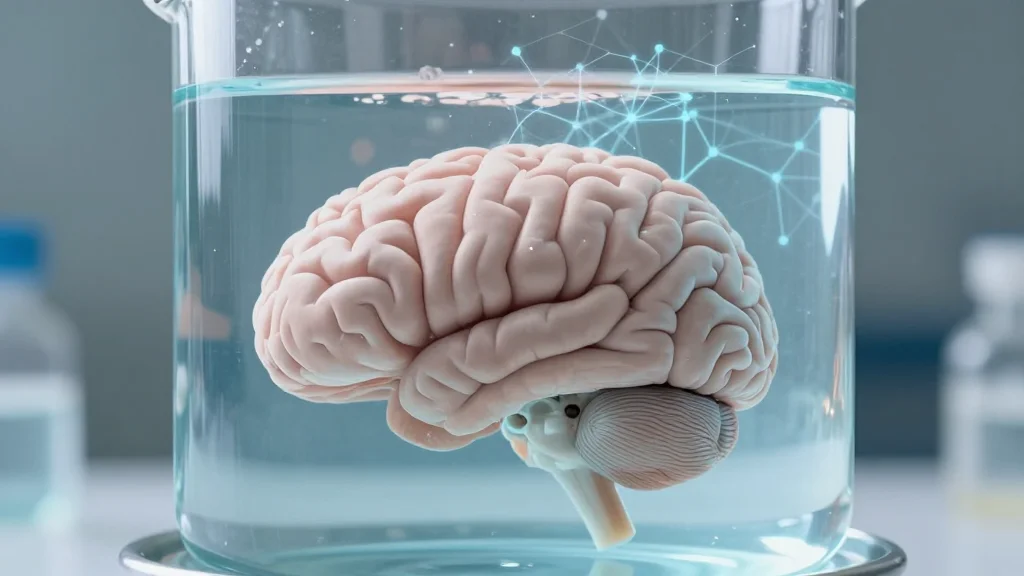
Bexorg’s Ex‑vivo Human Brain Platform Fuels Drug Discovery and Ethical Firestorm

Why It Matters
The ability to keep whole human brains alive outside the body could transform neuropharmacology by providing a more physiologically relevant test bed than cell cultures or organoids. Faster, higher‑throughput screening may shorten the timeline for bringing treatments for devastating brain disorders to patients, potentially saving billions in R&D costs. However, the technology also forces regulators, ethicists and the public to confront new questions about the moral status of a living brain without a body. How consent is obtained, what safeguards are needed to prevent any form of consciousness, and whether existing human‑subject protections apply will set precedents that affect future biomedical innovations ranging from organ‑on‑a‑chip to synthetic biology.
Key Takeaways
- •Bexorg has kept >700 human brains alive ex‑vivo for up to 24 hours using its BrainEx system.
- •CEO Zvonimir Vrselja confirmed that higher‑level brain functions are not restored in the perfused organs.
- •NYU bioethicist Brenand Parent noted the brains lack coordinated neural firing needed for minimal consciousness.
- •Yale bioethicist Stephen Latham warned there is currently no institutional oversight for this type of research.
- •The platform could accelerate neuro‑drug discovery, but regulatory and ethical frameworks remain undefined.
Pulse Analysis
Bexorg’s ex‑vivo brain platform arrives at a moment when the pharmaceutical industry is desperate for more predictive models. Traditional animal studies have a poor track record for translating to human efficacy, especially in neurology, where the blood‑brain barrier and complex circuitry are hard to replicate. By preserving the intact vasculature and cellular architecture of a human brain, Bexorg offers a middle ground between low‑resolution cell cultures and costly, time‑consuming clinical trials. If the data correlate with later human outcomes, investors could see a surge in funding for similar organ‑preservation technologies, potentially spawning a new sub‑sector of “living organ platforms.”
Yet the ethical backlash could act as a brake. The lack of a clear regulatory pathway means the FDA may treat these perfused brains as either medical devices, biologics, or a novel class of research material, each with different compliance burdens. Moreover, public perception of “keeping brains alive” may trigger legislative action, similar to the debates that surrounded embryonic stem‑cell research. Companies that pre‑emptively adopt transparent consent processes and third‑party ethics oversight could gain a competitive edge, positioning themselves as responsible innovators.
In the broader health‑tech ecosystem, Bexorg’s work underscores a shift toward high‑fidelity, patient‑derived models that blur the line between research and therapy. The coming months will likely see a flurry of policy proposals, academic symposia, and perhaps pilot collaborations with pharma giants. How quickly the industry can reconcile scientific promise with moral responsibility will determine whether ex‑vivo brain platforms become a cornerstone of drug discovery or a cautionary tale of unchecked ambition.
Bexorg’s ex‑vivo human brain platform fuels drug discovery and ethical firestorm
Comments
Want to join the conversation?
Loading comments...