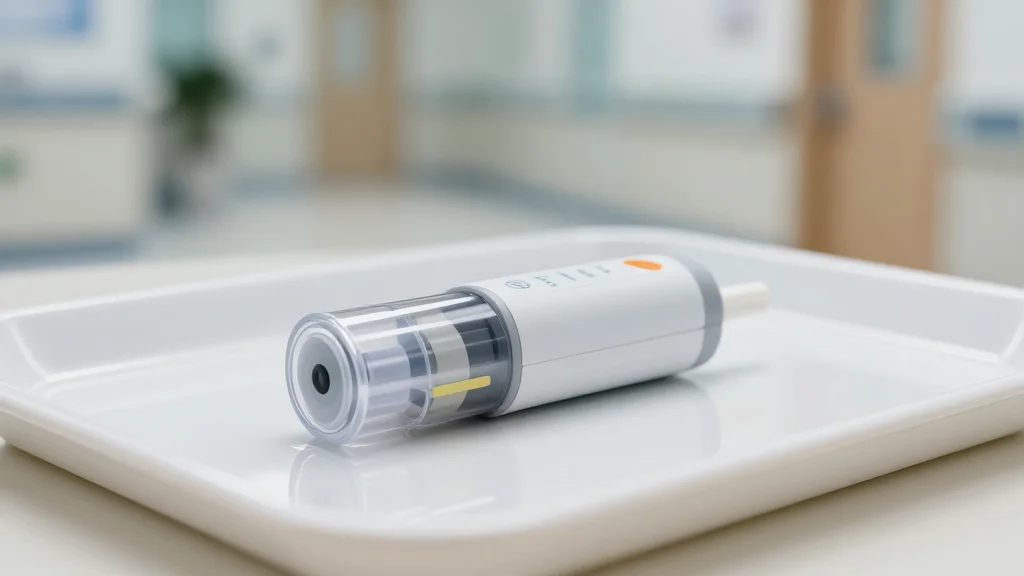
Insulet Launches Pivotal Trial of Fully Closed‑Loop Insulin System for Type 2 Diabetes

Companies Mentioned
Why It Matters
A fully closed‑loop insulin delivery system for Type 2 diabetes could dramatically expand the reach of automated insulin therapy, a technology that has so far been limited to a niche segment of Type 1 patients. By simplifying device setup and reducing the need for specialist oversight, Insulet aims to bring AID into the primary‑care arena, where the majority of insulin‑using Type 2 patients are managed. If successful, the trial could accelerate payer adoption, lower overall diabetes‑related costs, and improve glycemic outcomes for millions of Americans. The study also serves as a litmus test for the broader med‑tech industry’s ability to innovate beyond the traditional Type 1 market. A positive result would validate the business case for investing in fully automated solutions for chronic conditions that are managed largely outside specialty clinics, potentially reshaping product development priorities across the sector.
Key Takeaways
- •Insulet’s Evolve trial will enroll up to 350 adults with Type 2 diabetes across 40 U.S. sites.
- •The system is Insulet’s first fully closed‑loop insulin delivery device, eliminating manual start‑up settings.
- •Less than 5% of the 5.5 million insulin‑using Type 2 patients currently use automated insulin delivery.
- •70% of Type 2 diabetes care is delivered in primary‑care settings, the target market for the new system.
- •Interim data expected early 2027; full results slated for late 2028.
Pulse Analysis
Insulet’s decision to launch a pivotal trial in the Type 2 space reflects a strategic pivot from the traditional, high‑touch Type 1 market to a broader, lower‑touch primary‑care environment. Historically, AID adoption has been hampered by the need for extensive patient education and frequent clinician interaction—requirements that fit well within specialty endocrinology clinics but not primary‑care offices. By stripping away onboarding complexity, Insulet is betting that the primary‑care workflow can accommodate AID without adding significant burden to physicians or patients.
From a competitive standpoint, the move puts pressure on incumbents like Medtronic and Tandem, which have focused their closed‑loop offerings on Type 1 patients. If Insulet can demonstrate comparable or superior time‑in‑range outcomes in a larger, more heterogeneous Type 2 cohort, it could force rivals to accelerate their own Type 2‑focused pipelines. Moreover, a successful trial would likely attract payer interest, as insurers have been reluctant to cover AID for Type 2 due to uncertain cost‑benefit ratios. Demonstrated clinical benefit could unlock broader reimbursement, creating a virtuous cycle of adoption and economies of scale.
Looking ahead, the trial’s design—large sample size, multiple sites, and a focus on real‑world primary‑care settings—could become a template for future med‑tech studies seeking to prove value outside specialty clinics. Success would not only validate Insulet’s technology but also signal to investors that the next wave of chronic‑disease management will be driven by devices that integrate seamlessly into everyday clinical practice, rather than requiring a dedicated specialist ecosystem.
Insulet Launches Pivotal Trial of Fully Closed‑Loop Insulin System for Type 2 Diabetes
Comments
Want to join the conversation?
Loading comments...