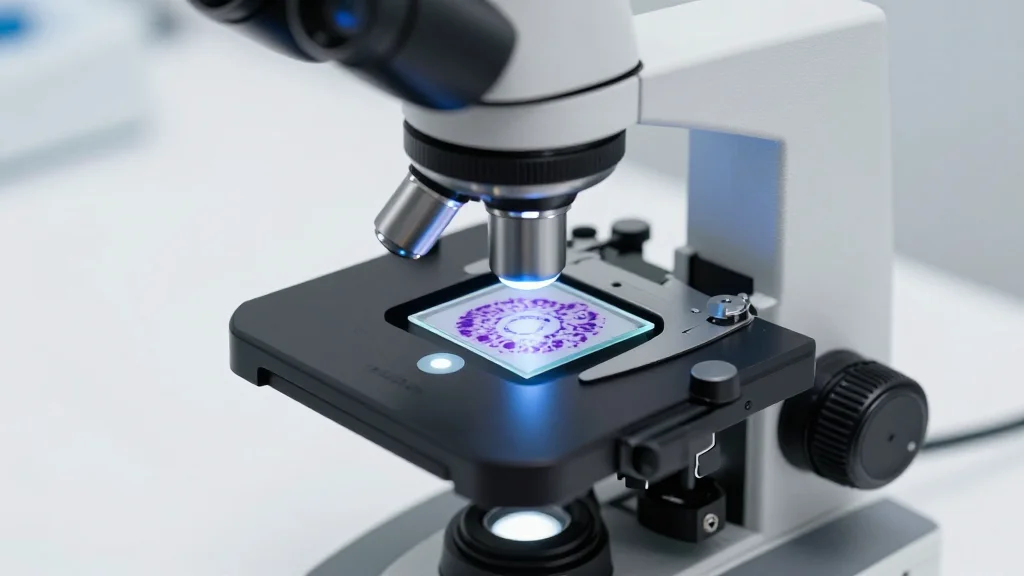
Roche to Acquire PathAI for Up to $1.05 B, Accelerating AI‑Driven Diagnostics

Why It Matters
The Roche‑PathAI deal underscores the accelerating convergence of pharma and AI‑driven diagnostics, a trend that could reshape cancer care by delivering faster, more precise pathology results. By embedding AI models directly into the diagnostic workflow, Roche aims to reduce the time from tissue sampling to treatment decision, a critical factor in oncology outcomes. Moreover, the acquisition positions Roche to compete more aggressively with other large diagnostics players that are also investing in AI, potentially reshaping market share dynamics in a sector projected to grow double‑digit annually. Beyond oncology, the combined platform could streamline clinical‑trial enrollment by providing automated, standardized readouts of tissue biomarkers, lowering costs and shortening development timelines for drug makers. If successful, the integration may set a new benchmark for how large pharmaceutical companies acquire and scale niche AI technologies, influencing future M&A strategies across the broader health‑tech ecosystem.
Key Takeaways
- •Roche will pay $750 million upfront and up to $300 million in milestones for PathAI.
- •The acquisition values PathAI at up to $1.05 billion, one of the largest health‑tech deals this year.
- •PathAI’s AISight IMS platform will be integrated into Roche’s Diagnostics division.
- •Deal expected to close in H2 2026, pending antitrust and regulatory approvals.
- •Roche aims to scale AI‑driven digital pathology globally, enhancing cancer diagnostics and companion‑diagnostic development.
Pulse Analysis
Roche’s purchase of PathAI reflects a strategic pivot from traditional in‑house assay development toward a platform‑centric model where AI engines become the differentiator. Historically, Roche has built its diagnostics franchise around chemistry‑based tests; the shift to image‑based AI suggests the company anticipates a tipping point where pathologists will rely on algorithmic assistance for routine reads. This mirrors the broader pharma trend of buying specialized AI startups to shortcut internal R&D timelines.
From a competitive standpoint, the deal gives Roche a foothold that rivals the recent moves by Labcorp and Tempus AI, both of which have been expanding their AI capabilities through partnerships and acquisitions. Roche’s global scale and deep oncology pipeline provide a unique advantage: it can feed real‑world pathology data back into its drug development programs, creating a virtuous cycle of biomarker discovery and therapeutic targeting. However, integration risk remains; aligning PathAI’s cloud infrastructure with Roche’s legacy IT systems and navigating disparate data‑privacy regulations will be a complex undertaking.
Looking ahead, the success of the acquisition will hinge on how quickly Roche can commercialize PathAI’s tools across its 150‑plus country footprint. If the rollout accelerates adoption of AI‑assisted diagnostics, Roche could set a new industry standard, prompting other large diagnostics firms to double down on AI acquisitions. Conversely, a sluggish integration could dampen investor enthusiasm for similar health‑tech deals, reinforcing the importance of execution over headline numbers.
Roche to Acquire PathAI for Up to $1.05 B, Accelerating AI‑Driven Diagnostics
Comments
Want to join the conversation?
Loading comments...