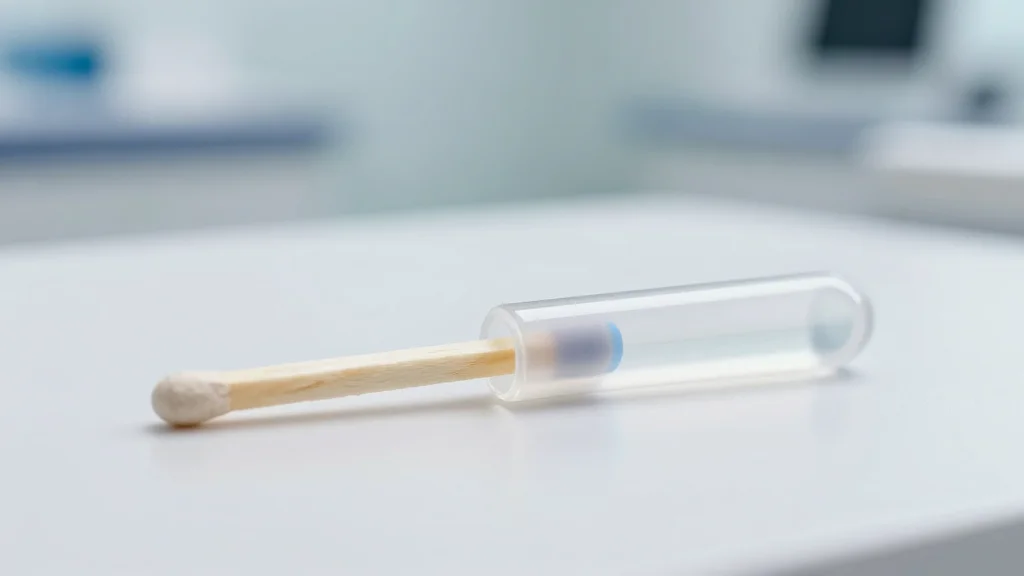
Senseonics Rolls Out Eversense 365, First One‑Year CGM, Across Europe

Companies Mentioned
Why It Matters
The introduction of a 12‑month implantable CGM addresses a persistent pain point for diabetes patients: the need for frequent sensor replacements and daily calibrations. By extending sensor life and reducing calibration frequency, Eversense 365 could improve adherence, lower long‑term device costs, and deliver richer longitudinal glucose data for clinicians. This shift may also pressure established CGM manufacturers to innovate longer‑lasting sensors or explore hybrid models. From a health‑system perspective, fewer sensor changes translate into reduced procedural costs and lower burden on outpatient services. If reimbursement bodies recognize these savings, the economic case for implantable CGMs could accelerate, potentially expanding coverage to broader patient cohorts across Europe and beyond.
Key Takeaways
- •Senseonics launched Eversense 365 in Sweden; Germany, Spain and Italy to follow in weeks.
- •Eversense 365 offers a 12‑month sensor lifespan, double the previous six‑month model.
- •Calibration frequency reduced from daily to once weekly, improving user convenience.
- •Real‑world data presented at ATTD showed sustained accuracy and better A1C outcomes.
- •Integration with Sequel Med Tech’s twiist™ AID system positions the sensor for closed‑loop therapy.
Pulse Analysis
Senseonics’ European entry marks a calculated gamble on a differentiated value proposition rather than competing on raw sensor frequency. The company leverages its unique implantable technology to sidestep the consumable‑driven revenue model that powers Dexcom and Abbott. While this could yield higher margins per patient, it also requires building a network of trained clinicians and navigating diverse regulatory landscapes. The phased rollout in markets with strong reimbursement frameworks suggests a pragmatic approach to mitigate these risks.
Historically, CGM adoption has been driven by convenience and data granularity. Eversense 365 flips the convenience equation: fewer replacements and calibrations at the cost of an invasive insertion. Early adopters are likely to be patients with high sensor fatigue or those enrolled in integrated AID programs, where continuous, high‑fidelity data over months can fine‑tune algorithmic insulin delivery. If the clinical outcomes reported at ATTD translate into broader real‑world settings, payers may view the higher upfront procedural cost as justified by downstream savings in complications and hospitalizations.
Looking ahead, the competitive response will be critical. Dexcom’s G7 and Abbott’s FreeStyle Libre 4 are pushing shorter wear times with improved accuracy, but neither offers a year‑long implant. Should Senseonics demonstrate cost‑effectiveness and patient satisfaction, we could see a bifurcation in the CGM market: short‑term, disposable sensors for casual users and long‑term implants for high‑need patients. The next 12 months will reveal whether the implantable model can achieve scale or remain a niche offering within the broader diabetes technology ecosystem.
Senseonics Rolls Out Eversense 365, First One‑Year CGM, Across Europe
Comments
Want to join the conversation?
Loading comments...