Biohackers Offer a Step‑by‑Step Guide to Crack Your Body’s Feel‑Good Code

Companies Mentioned
Why It Matters
The guide bridges the gap between high‑tech biohacking narratives and everyday wellness practices, making performance optimization accessible to a wider audience. By grounding recommendations in functional medicine and personal data tracking, it offers a replicable framework that could democratize the human‑potential movement. If adopted at scale, these low‑cost habits could reduce reliance on expensive supplements and gadgets, shifting market demand toward integrated platforms that combine mindfulness, nutrition and basic biometric feedback. This could accelerate the mainstreaming of biohacking concepts, influencing everything from corporate wellness policies to consumer health product development.
Key Takeaways
- •Dr Simone Koch and Maximilian Gotzler released a practical biohacking guide focused on daily routines.
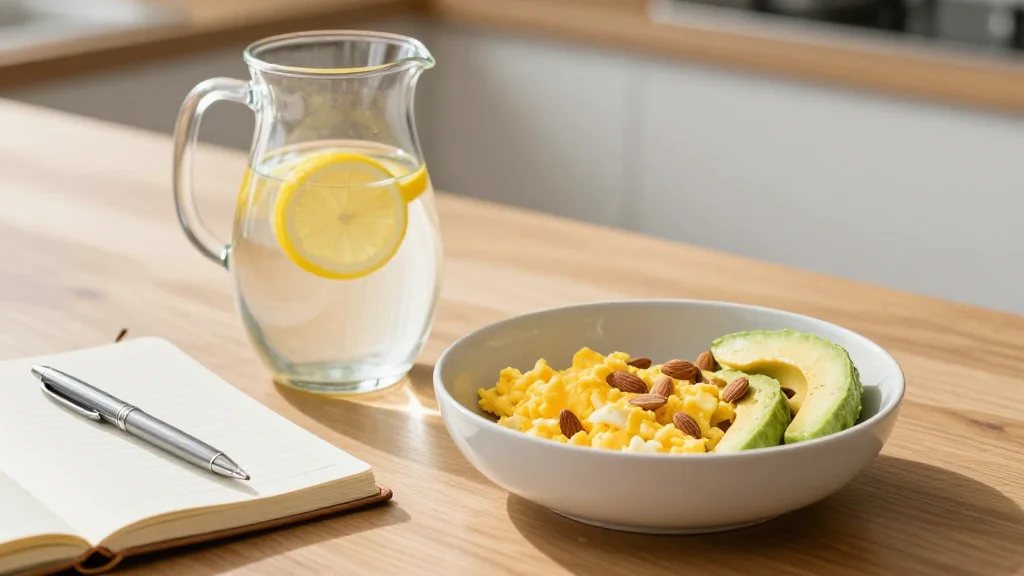
- •Key morning steps include lemon water, sunlight exposure, deep breathing and a high‑protein breakfast.
- •Journaling is highlighted as a tool to identify personal patterns affecting energy and sleep.
- •Both experts caution against unsupervised supplement use, urging doctor‑guided testing.
- •The guide aims to launch corporate wellness pilots to test its impact on focus and burnout.
Pulse Analysis
The emergence of a guide that blends functional medicine with simple behavioral hacks signals a maturation of the biohacking sector. Early adopters chased exotic technologies—CRISPR kits, subdermal chips—but the market is now gravitating toward scalable, low‑cost interventions that can be rolled out across large workforces. This shift mirrors the broader health‑tech trend where data collection is no longer the end goal; instead, actionable insights that fit into daily life drive adoption.
Historically, performance‑enhancement narratives have been dominated by elite athletes and tech‑savvy early adopters. By positioning the feel‑good code as something anyone can decode with a glass of water and a notebook, Koch and Gotzler are redefining the audience. Companies that previously sold premium wearables may need to pivot toward hybrid solutions that pair sensor data with guided habit formation, creating new revenue streams in subscription‑based coaching and digital journaling platforms.
Looking forward, the success of corporate pilots will be a litmus test for the commercial viability of this approach. If measurable gains in employee focus and reduced sick days emerge, we could see a wave of investment into platforms that automate habit tracking, integrate with existing HR systems, and provide personalized recommendations. The key challenge will be maintaining scientific rigor while keeping the user experience simple—a balance that will determine whether biohacking moves from niche hobby to mainstream human‑potential strategy.
Biohackers Offer a Step‑by‑Step Guide to Crack Your Body’s Feel‑Good Code
Comments
Want to join the conversation?
Loading comments...