The stock’s deep discount and strong dividend provide a compelling entry point for value‑oriented investors if the oral GLP‑1 gains market share, potentially reshaping the competitive dynamics of the weight‑loss drug market.
The GLP‑1 market has become a battleground for pharmaceutical giants, with obesity and diabetes treatments driving unprecedented demand. Eli Lilly’s injectable offerings, Mounjaro and Zepbound, have captured headlines, but Novo Nordisk’s early entry into the space gave it a reputation as an innovator. As the market matures, patient preference is shifting toward more convenient delivery methods, creating an opening for oral formulations to expand the overall addressable pool. Novo’s pill, launched ahead of Lilly’s, could convert hesitant patients and increase total GLP‑1 utilization, a factor investors are watching closely.
From a valuation perspective, Novo Nordisk appears markedly cheaper than its U.S. counterpart. A price‑to‑earnings multiple near 13.5 contrasts sharply with Lilly’s 45, while Novo’s 3.7% dividend yield—backed by a 40% payout ratio—offers tangible income in a low‑rate environment. These metrics suggest a margin of safety for investors seeking both yield and upside. The company’s recent pricing agreement with the U.S. government, however, tempers earnings expectations for 2026, underscoring the importance of balancing short‑term guidance against long‑term growth prospects.
Looking ahead, Novo’s strategy hinges on scaling the oral GLP‑1 product and refreshing its injectable pipeline to stay competitive. If the pill gains traction, it could not only boost Novo’s top line but also pressure rivals to accelerate their own oral developments. Nevertheless, execution risks remain, including manufacturing constraints and regulatory hurdles. For dividend‑focused and contrarian investors, the combination of an attractive valuation, solid dividend, and potential market share gains makes Novo Nordisk a stock worth monitoring as the GLP‑1 landscape evolves.
By Reuben Gregg Brewer · Feb 19, 2026 at 3:45 PM EST
Novo Nordisk competes with Eli Lilly in the GLP‑1 space.
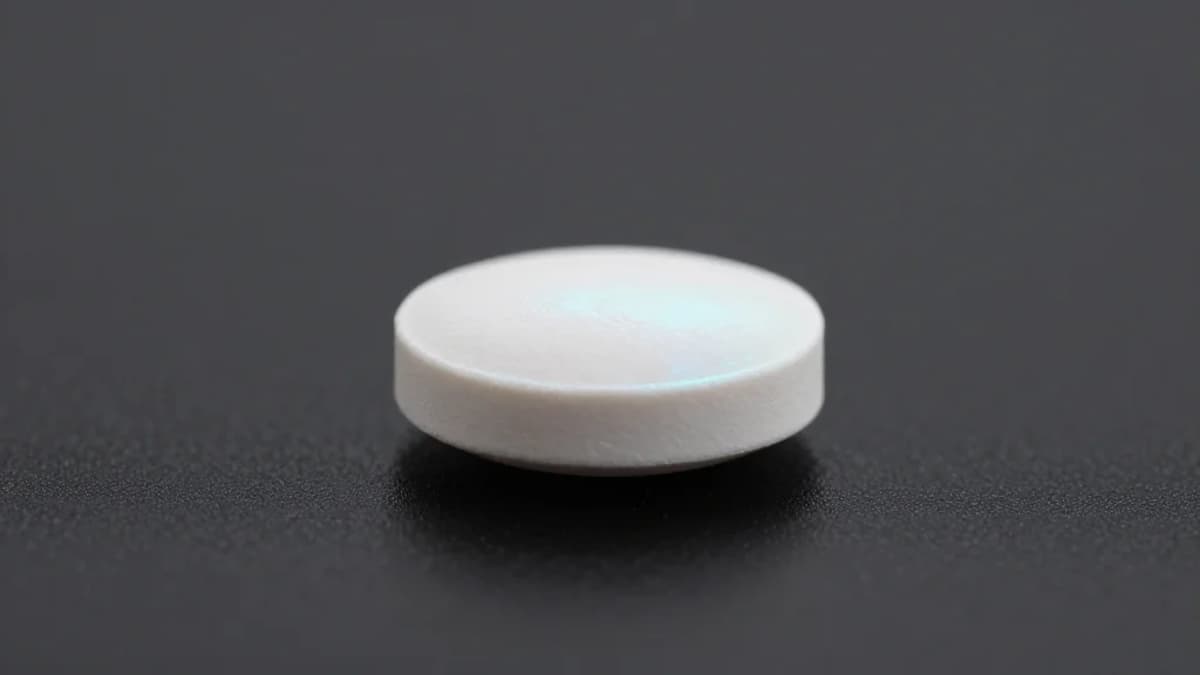
Novo Nordisk’s recently launched GLP‑1 pill could help reset the game.
Novo Nordisk looks attractively priced even though 2026 is likely to be a tough year.
Novo Nordisk hasn’t been getting much love on Wall Street. The stock trades down 66 % from its 2024 highs and just took a big hit after the company offered weak guidance for 2026. However, for contrarian dividend investors, Novo Nordisk could be an undervalued opportunity.
Novo Nordisk was the first company to introduce a GLP‑1 weight‑loss shot. Unfortunately, it couldn’t keep up with demand, which allowed compounded versions of the company’s Wegovy to be sold. Eli Lilly launched its own GLP‑1 drug, which proved more effective, and its Mounjaro and Zepbound are now the leaders in the GLP‑1 space.
Adding to the company’s woes is Novo Nordisk’s weak guidance for 2026. Unlike Eli Lilly, which offered strong guidance, Novo Nordisk is expecting revenue and earnings to fall this year, partly because of an agreement with the U.S. government around drug pricing. It is easy to see why Novo Nordisk is viewed as an also‑ran in the GLP‑1 space right now.
Novo Nordisk was first to market with a pill version of its GLP‑1 drug, beating Eli Lilly to the punch. That gives the company time to regain market share before Eli Lilly launches its own pill. Consumers tend to prefer pills to shots, for obvious reasons, and the uptake on Novo Nordisk’s pill has been very strong. The hope is that the pill dramatically increases the number of customers taking GLP‑1 drugs.
Novo Nordisk is also working on an updated version of its GLP‑1 drug that is more competitive with Eli Lilly’s offering. The company appears to be taking a more aggressive approach with generic competitors, which could help it squeeze these players out now that its GLP‑1 drug production is keeping up with demand.
Novo Nordisk’s price‑to‑earnings ratio is about 13.5, compared with Eli Lilly’s 45. The company offers an attractive 3.7 % dividend yield versus Eli Lilly’s 0.6 %. Novo Nordisk’s dividend is well supported, with a payout ratio of roughly 40 %. While 2026 may be a turnaround year, there are compelling reasons to be positive about the future. If you are a dividend investor or have a value bias, you’ll likely find Novo Nordisk an attractive option in the GLP‑1 space.
Before you buy stock in Novo Nordisk, consider the broader context of the GLP‑1 market, the company’s pipeline, and its dividend profile. The stock’s valuation metrics and dividend yield make it a candidate for investors seeking income and potential upside if the new pill gains market traction.
Reuben Gregg Brewer is a contributing Motley Fool stock‑market analyst covering energy, utilities, REITs, and consumer staples. He is the former director of research at Value Line Publishing, where he rose from mutual‑fund analyst to equity analyst before leading all research operations. Reuben holds a bachelor’s degree in psychology from SUNY Purchase, a master’s in social work from Columbia University, and an MBA from Regis University. He has been featured as a financial expert on CNBC and in the Financial Times, Barron’s, and InvestmentNews.
Comments
Want to join the conversation?
Loading comments...