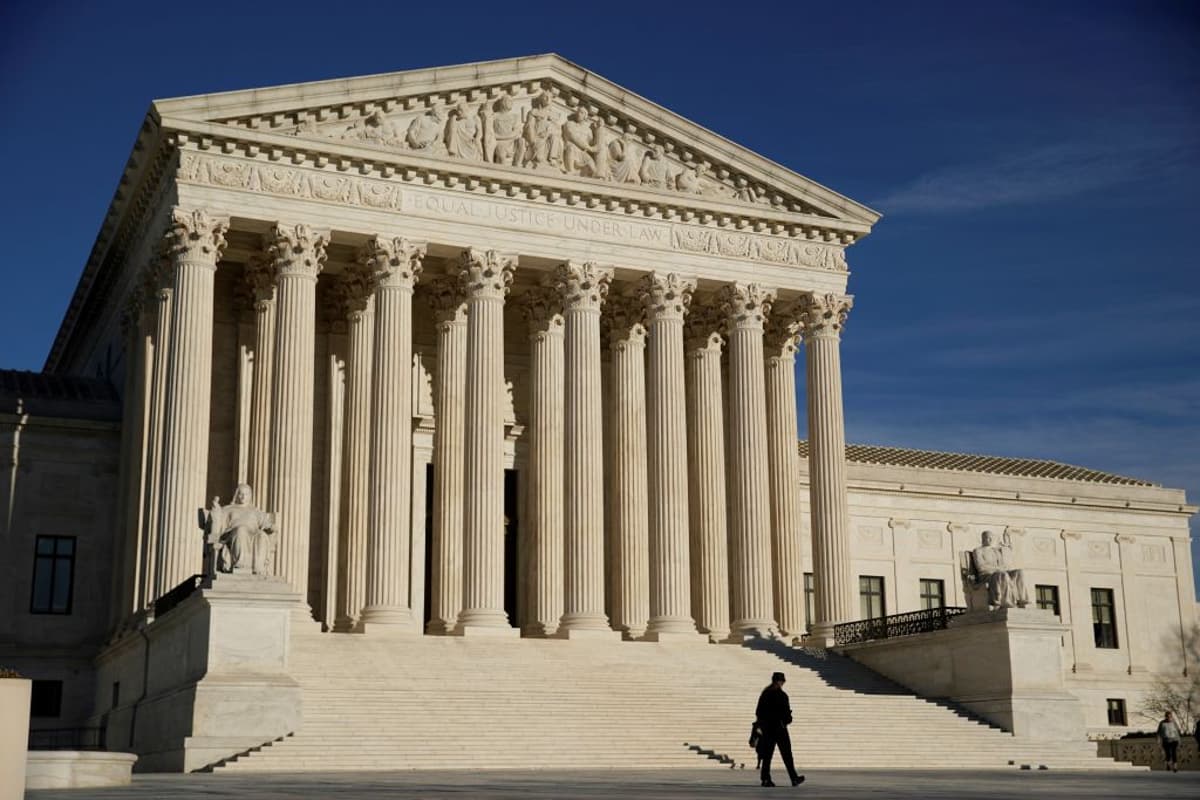
Justices Will Hear Argument on Trump Administration’s Removal of Protected Status for Syrian and Haitian Nationals
Key Takeaways
- •Supreme Court to hear TPS termination cases April 2026
- •Cases combine Syrian and Haitian TPS challenges into one argument
- •Decision expected by July could reshape admin's immigration authority
- •Lower courts blocked termination, citing procedural violations and discrimination
- •TPS holders risk deportation amid ongoing regional instability
Summary
The U.S. Supreme Court announced it will hear oral arguments on two consolidated cases challenging the Trump administration’s effort to terminate Temporary Protected Status (TPS) for Syrian and Haitian nationals. The cases, Noem v. Doe and Trump v. Miot, will be argued during the second week of the April 2026 session, with a decision anticipated by late June or early July. Lower courts have blocked the terminations, finding procedural flaws and potential discrimination, while the administration seeks a certiorari‑before‑judgment to proceed. The ruling will shape the scope of executive authority over humanitarian immigration programs.
Pulse Analysis
Temporary Protected Status, created in 1990, allows the U.S. to shelter citizens from countries experiencing armed conflict, natural disaster, or other extraordinary conditions. Syria received TPS after the 2011 civil war, while Haiti was designated following the 2010 earthquake. Together, the programs protect several thousand Syrians and roughly 350,000 Haitians, many of whom have integrated into local economies and communities. The designations are discretionary, requiring the Department of Homeland Security to assess whether conditions remain “extraordinary and temporary.”
The legal fight began when the Trump administration, via DHS Secretary Kristi Noem, moved to end both designations, arguing that conditions in Syria and Haiti have stabilized. Federal judges in New York and Washington, D.C., issued injunctions, citing likely violations of the Administrative Procedure Act and allegations of discriminatory intent. The administration’s request for certiorari before judgment—an uncommon step that bypasses appellate review—prompted the Supreme Court to schedule a one‑hour oral argument, signaling the high stakes of the dispute and the Court’s willingness to address it swiftly.
A Supreme Court ruling will have far‑reaching consequences for immigration governance. If the Court upholds the terminations, it could empower future administrations to curtail TPS designations with limited judicial oversight, potentially exposing hundreds of thousands of residents to abrupt deportation. Conversely, a decision favoring the plaintiffs would reinforce procedural safeguards and limit executive discretion, preserving a critical humanitarian safety net. Stakeholders—from immigrant advocacy groups to businesses relying on TPS labor—are watching closely, as the outcome will influence policy debates on immigration reform, administrative law, and the United States’ broader humanitarian commitments.


Comments
Want to join the conversation?