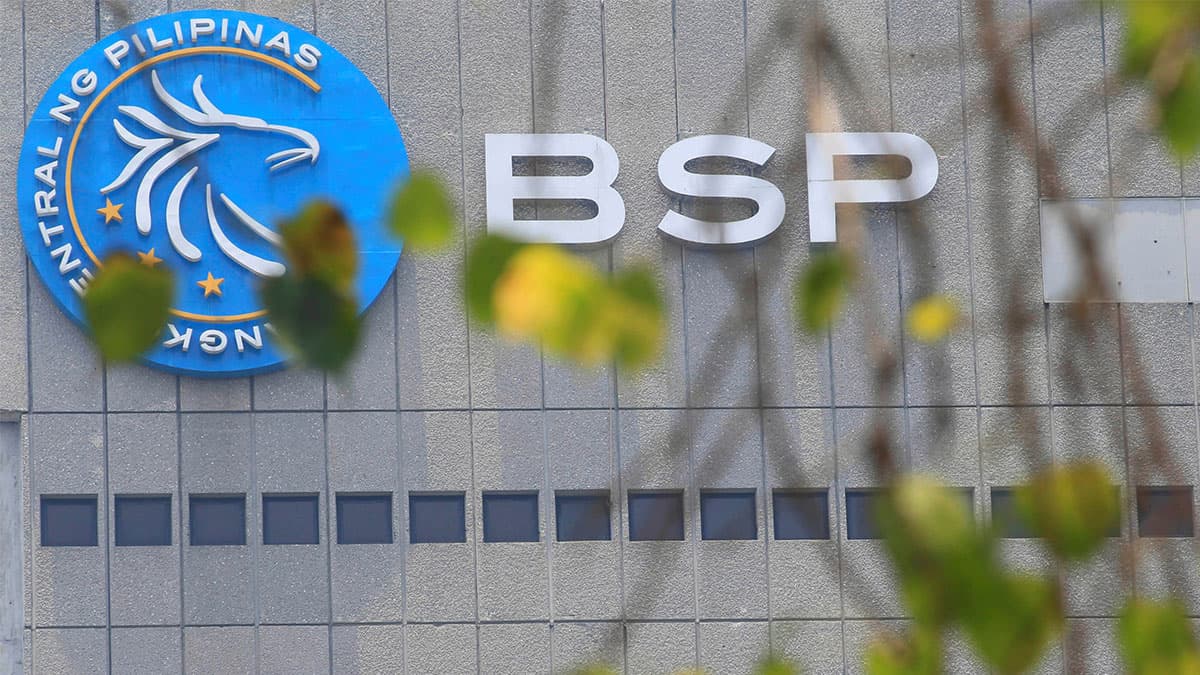
Calamity-Hit Nonbanks Poised to Get Regulatory Relief
Why It Matters
The measures aim to preserve credit flow and financial stability in disaster‑prone regions, protecting both lenders and borrowers from severe liquidity shocks. Prompt regulatory relief can accelerate economic recovery after calamities, a critical concern for the Philippines’ resilient but vulnerable financial ecosystem.
Key Takeaways
- •BSP draft extends bank relief framework to non‑bank firms
- •Loan deferment up to six months, no penalties for borrowers
- •Past‑due loans excluded from NPL ratios for one year
- •Documentation requirements relaxed for disaster‑affected clients
- •Comment period ends April 10; firms must submit feedback
Pulse Analysis
The Philippines faces frequent natural disasters that can cripple both households and the financial services that support them. Non‑bank institutions—ranging from pawnshops to credit‑card issuers—play a vital role in extending credit to underserved markets, especially in rural and disaster‑exposed areas. By adapting the bank‑focused relief framework, the BSP acknowledges the systemic importance of these entities and seeks to prevent a credit crunch that could exacerbate post‑disaster hardship. This regulatory shift reflects a broader trend of central banks tailoring policies to the unique risk profiles of diverse financial intermediaries.
Under the draft circular, borrowers in affected zones could receive up to six months of repayment grace without interest‑on‑interest or penalty charges, while agricultural loans may enjoy deferments of six to twelve months aligned with crop cycles. Extending the loan‑approval window from 30 to 90 days gives institutions more flexibility to support employees and clients during recovery. Moreover, allowing calamity‑impacted loans to be excluded from non‑performing loan ratios for a year helps preserve capital adequacy metrics, reducing the pressure on institutions to tighten credit when it is most needed.
The proposal also introduces pragmatic operational leeways, such as temporary ID‑relaxation for clients who lost documents and the ability to defer opening new service units for up to three years. These provisions balance risk management with humanitarian considerations, ensuring that regulatory compliance does not become a barrier to service delivery. As the comment deadline approaches on April 10, industry stakeholders will weigh the benefits of flexibility against potential moral‑hazard concerns. Successful implementation could set a precedent for disaster‑responsive regulation across emerging markets, reinforcing financial resilience in the face of climate‑driven shocks.


Comments
Want to join the conversation?
Loading comments...