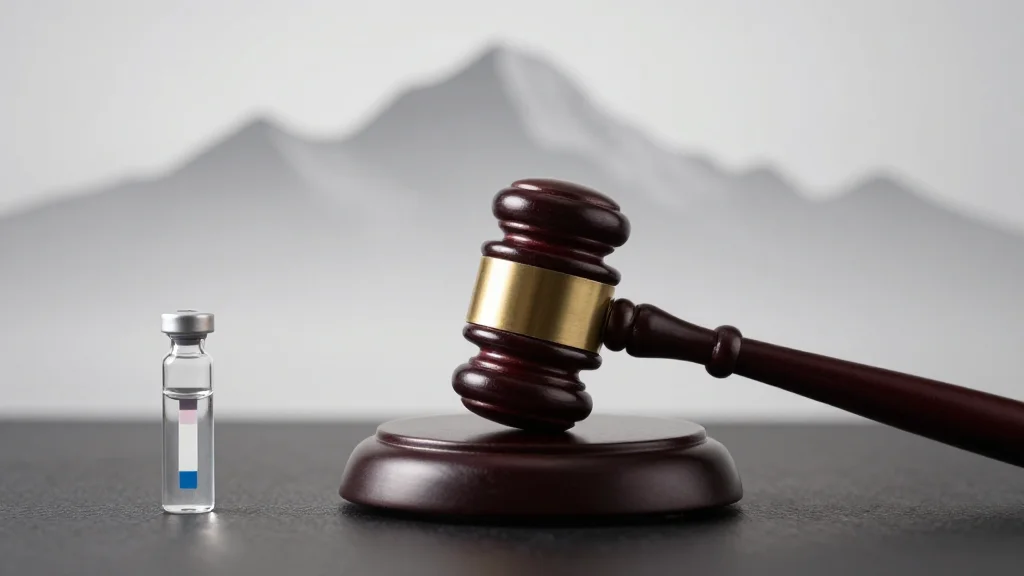
Colo. Bans Arrests Based Solely on Colorimetric Drug Tests
Why It Matters
The change reduces wrongful arrests and aligns law enforcement with scientific evidence, potentially reshaping drug‑policy enforcement nationwide.
Key Takeaways
- •Arrests prohibited for misdemeanor possession based only on colorimetric tests.
- •Officers must issue summons and disclose false‑positive risk to defendants.
- •Defendants entitled to confirmatory testing before accepting any plea.
- •Colorado’s unanimous vote signals growing legislative caution on drug testing.
Pulse Analysis
Colorimetric drug tests have been a staple of roadside screening because they are cheap and deliver results within minutes. The strips change color when they encounter certain chemical compounds, but scientific studies, including a University of Pennsylvania analysis, show a notable false‑positive rate, especially for substances like amphetamines and certain over‑the‑counter medications. Prior to the new legislation, Colorado officers could arrest individuals on the basis of a single positive strip, a practice that raised civil‑rights concerns and led to costly legal challenges.
The law’s requirement that officers issue a court summons instead of an arrest shifts the burden toward the judicial system and gives defendants immediate notice of the test’s limitations. Courts must now inform suspects of the potential for false positives and provide access to confirmatory laboratory analysis before any plea is entered. This procedural safeguard not only reduces the risk of wrongful incarceration but also creates a new administrative workflow for police departments, which must coordinate with labs and ensure proper documentation of summons.
Colorado’s unanimous vote reflects a broader national reassessment of low‑cost field testing in drug enforcement. As other states watch the outcomes—particularly any reduction in case dismissals or civil suits—they may adopt similar statutes, prompting a shift toward evidence‑based policing. For businesses operating in the cannabis and pharmaceutical sectors, the change signals a more predictable legal environment, while civil‑rights advocates view it as a step toward protecting individuals from unverified accusations. The law could become a template for modernizing drug‑policy enforcement across the United States.
Colo. bans arrests based solely on colorimetric drug tests
Comments
Want to join the conversation?
Loading comments...