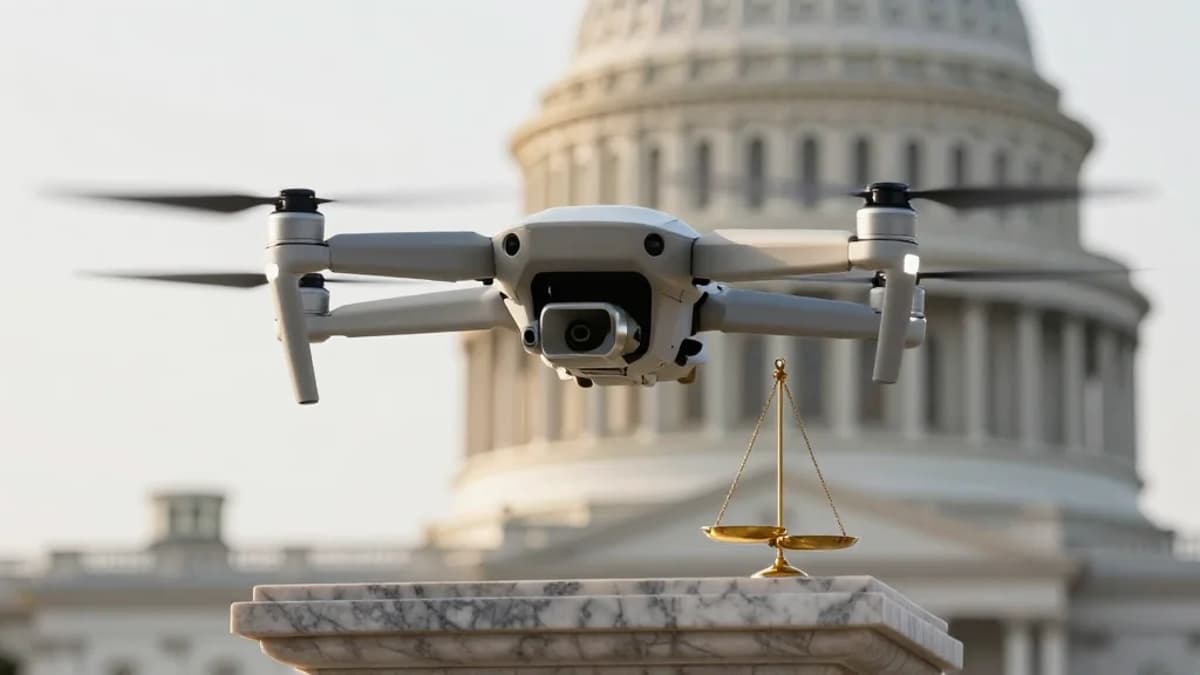
Federal Circuit Clarifies Patent-Risk Boundaries in Government-Sponsored R&D
Companies Mentioned
Why It Matters
The ruling solidifies a broad liability shield for firms conducting government‑sponsored research, reducing patent risk and encouraging participation in SBIR/STTR programs. It also forces patent holders to pursue compensation from the federal government, limiting injunctive leverage.
Key Takeaways
- •§1498 shields contractors on government‑directed R&D.
- •SBIR/STTR work qualifies for immunity under §1498.
- •Document government authorization to invoke §1498 defense.
- •Patent owners must sue United States, not contractors.
- •Separate commercial activities to preserve §1498 protection.
Pulse Analysis
Section 1498 of Title 28 was enacted to balance the government’s eminent‑domain power with patent rights, allowing the United States to use patented inventions without facing traditional infringement suits. Under the statute, a contractor who manufactures or uses a patented invention “by or for the United States” is insulated from direct liability; any compensation claim must be brought against the federal government in the Court of Federal Claims. This framework has long been a safety net for defense and aerospace contractors, but its reach into civilian‑focused research programs such as SBIR and STTR has remained uncertain—until now.
The Federal Circuit’s affirmation in *Arlton v. AeroVironment* removes that uncertainty by explicitly extending § 1498 protection to early‑stage R&D performed under SBIR and STTR awards. The court focused on the contractual language that granted the government “authorization and consent” to use patented technology, demonstrating that even prototype design and testing qualify as government‑directed work. For contractors, the decision highlights the practical importance of capturing clear FAR 52.227‑1 clauses and maintaining meticulous records of government direction. Companies can now structure SBIR/STTR projects with greater confidence that patent disputes will not derail development.
Patent owners, however, must adjust their litigation strategy. Because § 1498 channels remedies exclusively to the United States, they lose the ability to seek injunctions or direct damages against the contractor, limiting leverage to monetary compensation from the federal treasury. This shift may encourage patentees to focus on licensing negotiations rather than aggressive lawsuits. For the broader innovation ecosystem, the ruling reinforces the attractiveness of federal R&D programs, potentially accelerating technology transfer and commercialization. Firms should still segregate commercial and government work to preserve the immunity shield and avoid inadvertent exposure.
Federal Circuit Clarifies Patent-Risk Boundaries in Government-Sponsored R&D


Comments
Want to join the conversation?
Loading comments...