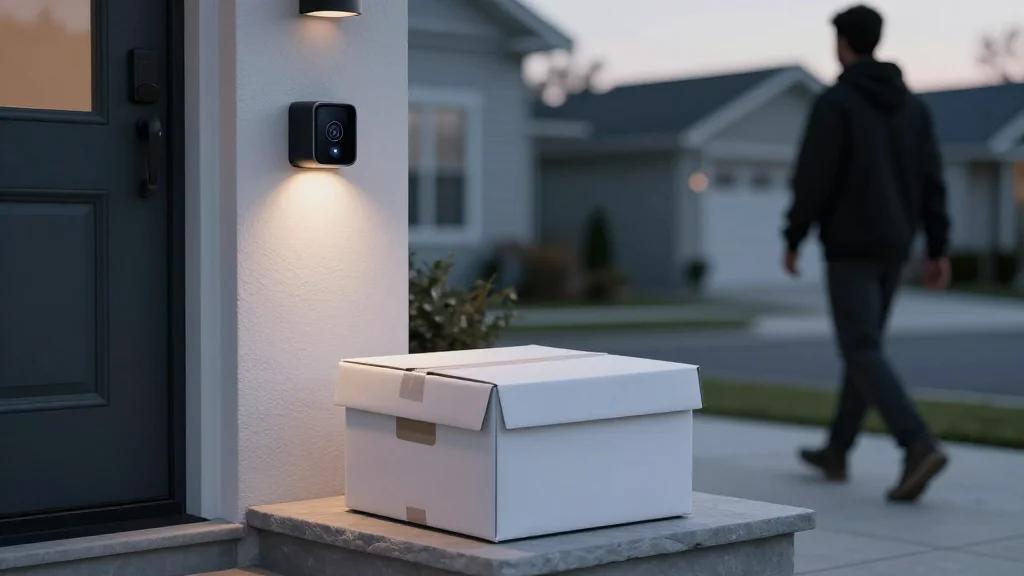
Amazon, Walmart Face $12.8 B Porch‑Piracy Loss, Triggering Logistics Overhaul

Companies Mentioned
Why It Matters
The $12.8 billion loss from porch piracy reshapes the economics of e‑commerce logistics, turning a traditionally invisible cost into a headline metric for senior management. Retailers must now allocate capital not only to speed and scale but also to security, influencing everything from warehouse siting decisions to driver compensation structures. Beyond the balance sheet, the theft epidemic threatens consumer trust in online shopping. If retailers cannot demonstrate reliable, secure delivery, the shift toward alternative fulfillment models—such as curbside pickup or third‑party lockers—could accelerate, redefining the competitive landscape for both legacy retailers and emerging delivery startups.
Key Takeaways
- •Omnisend report finds 228 million parcels stolen in the U.S. last year, costing $12.8 billion.
- •Amazon and Walmart absorbed an estimated $7.9 billion in refunds and replacements in 2025.
- •58 million packages were reported stolen in 2024, according to a USPS white paper.
- •23 % of theft victims order online less often; 18 % prioritize easy‑refund retailers.
- •Both retailers are adding theft‑adjusted KPIs and deploying secure lockers and smart‑box drop‑offs.
Pulse Analysis
The surge in porch piracy forces a strategic inflection point for the two retail behemoths. Historically, Amazon and Walmart have leveraged scale to drive down last‑mile costs, often treating delivery as a volume game. The new data flips that calculus: each stolen package now carries a direct cost that erodes margins and, more subtly, consumer confidence. By embedding security metrics into their operational dashboards, the retailers are institutionalizing loss prevention as a core performance indicator, a move that will likely ripple through their supply‑chain partners.
From a competitive standpoint, the emphasis on secure delivery creates an opening for niche players offering specialized lock‑box networks or AI‑powered theft detection. If Amazon and Walmart can successfully integrate these solutions at scale, they may lock out smaller rivals. Conversely, a failure to curb losses could embolden competitors that already market themselves on safety and reliability. The upcoming rollout of secure hubs in high‑risk zip codes will serve as a litmus test for the viability of a security‑first logistics model.
Finally, the broader market implication is a potential recalibration of the e‑commerce cost structure. Investors will begin to scrutinize not just delivery speed but also loss‑adjusted profitability. Companies that can demonstrate a declining theft‑adjusted cost per order may command premium valuations, while those lagging could see pressure on their stock performance. In short, porch piracy is no longer a peripheral nuisance—it is a central management challenge that will shape strategic decisions across the retail sector for years to come.
Amazon, Walmart Face $12.8 B Porch‑Piracy Loss, Triggering Logistics Overhaul
Comments
Want to join the conversation?
Loading comments...