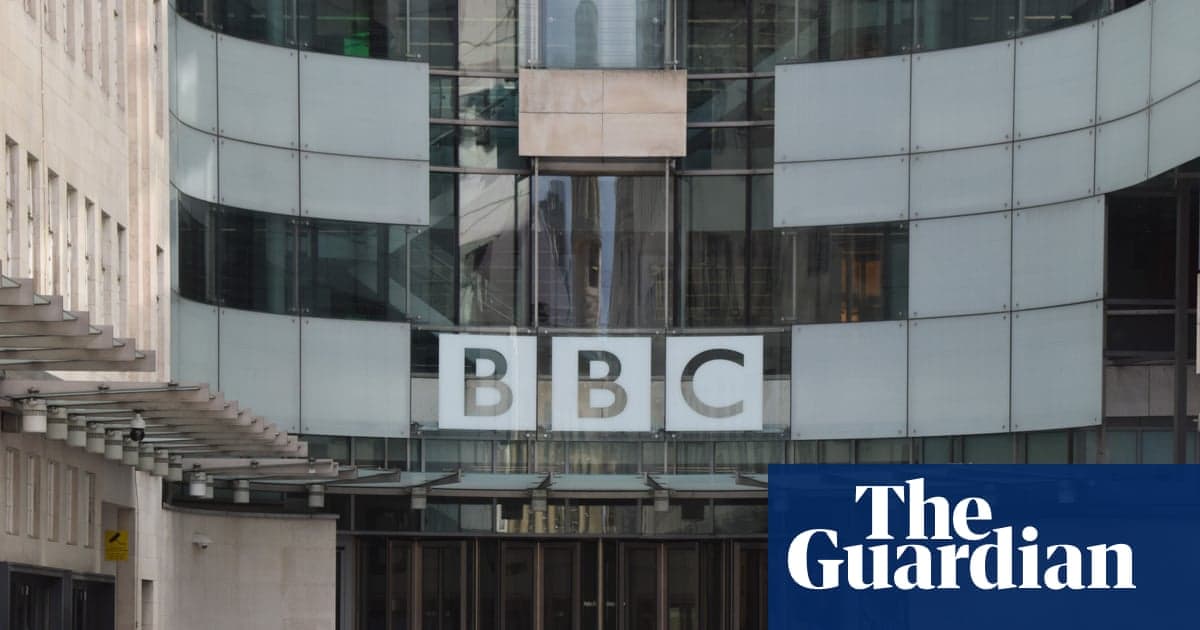
BBC News to Bear Deepest Cuts Amid 2,000 Planned Job Losses
Companies Mentioned
Why It Matters
The restructuring will reshape the UK’s public‑service news landscape, reducing journalistic capacity while signaling how legacy broadcasters adapt to fiscal pressure and digital competition. It also sets a precedent for how publicly funded media balance cost control with editorial independence.
Key Takeaways
- •BBC News faces 15% budget cut, targeting up to 2,000 jobs
- •New director general Matt Brittín will oversee the restructuring
- •News payroll, the biggest cost component, bears the brunt of savings
- •Potential shift to mobile journalism kits to cut satellite‑crew expenses
- •Local radio services risk consolidation following commercial industry trends
Pulse Analysis
The BBC’s latest cost‑cutting wave reflects mounting financial strain on public‑service broadcasters across Europe. With a £600 million (≈$750 million) austerity target, the corporation is trimming 10% of its overall workforce, but the news division is slated for a steeper 15% reduction. The timing coincides with the arrival of Matt Brittín, a former Google executive, whose mandate includes modernising operations while preserving the BBC’s editorial standards. This leadership change underscores a strategic pivot toward efficiency‑driven decision‑making, especially as the BBC grapples with declining licence‑fee revenues and heightened scrutiny over impartiality.
The immediate impact on journalism will be profound. Approximately 800 journalists, representing a sizable share of the BBC’s 21,500‑strong staff, face uncertainty, and payroll—already the dominant expense at £324 million (≈$405 million)—will be the primary lever for savings. Industry insiders anticipate a shift toward mobile journalism kits, reducing reliance on costly satellite trucks and dedicated crews. In radio, the threat of consolidating local services mirrors recent moves by commercial groups like Global, which have centralized programming to cut overhead. These operational tweaks aim to preserve core news output while trimming the cost base.
Beyond the BBC, the cuts signal broader challenges for publicly funded media in an era of digital disruption. As audiences fragment and advertising dollars migrate online, traditional broadcasters must reconcile their public‑service remit with fiscal responsibility. The BBC’s approach—targeting staff costs, tightening travel, and curbing consultancy spend—offers a blueprint for other institutions facing similar budgetary pressures. However, the reduction in journalistic resources raises concerns about content depth, regional coverage, and the ability to hold power to account, potentially reshaping the media ecosystem in the United Kingdom for years to come.
BBC News to bear deepest cuts amid 2,000 planned job losses
Comments
Want to join the conversation?
Loading comments...