Picnic Robotics Liquidates After $53M Funding Fails to Scale Pizza Automation

Companies Mentioned
Why It Matters
The collapse of Picnic Robotics illustrates the peril of scaling hardware‑heavy startups without a sustainable revenue model. Unlike software, robotics requires substantial upfront capital for manufacturing, maintenance, and integration, making cash‑flow disruptions more fatal. Investors and founders must now scrutinize unit economics and market demand more rigorously before committing large sums. For the restaurant industry, the episode warns operators about the hidden costs of early‑stage automation. While robots promise labor savings, the risk of vendor insolvency can leave businesses with stranded, expensive equipment and no recourse. This may slow adoption of similar technologies until clearer warranty and service frameworks emerge.
Key Takeaways
- •Picnic Robotics filed a General Assignment for the Benefit of Creditors on May 11, 2024.
- •The company raised over $53 million since its 2016 founding, including a $16.3 million Series A in 2021.
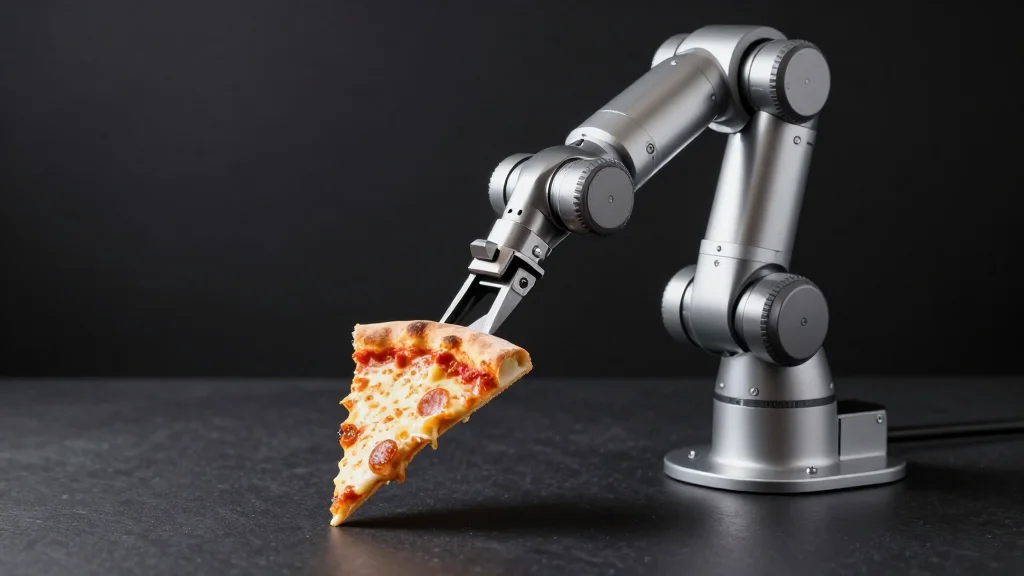
- •Its Pizza Station could produce 100 customized pizzas per hour with a single employee.
- •CMBG Advisors was appointed liquidator; a buyer for assets has been identified but terms remain undisclosed.
- •Early customer Lee Kindell was left with a $250,000 "robot aquarium" of idle equipment.
Pulse Analysis
Picnic’s downfall is a textbook case of the funding‑to‑revenue gap that haunts capital‑intensive startups. The company rode the 2020‑2021 venture boom, securing sizable seed and Series A capital when investors were eager to back bold automation ideas. However, the shift in macro‑funding conditions in 2022‑2023 exposed a fragile cash‑flow structure. Without a clear path to profitability—relying instead on speculative expansion into a chain model—the firm could not weather the tightening of capital markets.
Leadership churn compounded the financial strain. Frequent CEO changes eroded strategic continuity, and the pivot to a hospitality‑first model lacked the operational runway to prove its viability. In contrast, competitors that have succeeded in restaurant robotics, such as Miso Robotics, have focused on incremental integration and clear ROI for operators, securing recurring revenue streams that cushion against market cycles.
Going forward, the liquidation may seed a second wave of activity. If the undisclosed buyer repurposes the Pizza Station technology, it could re‑enter the market under a more disciplined cost structure. Meanwhile, venture capitalists are likely to tighten diligence on hardware startups, demanding robust unit economics, diversified customer bases, and contingency plans for downturns. For restaurateurs, the lesson is to balance the allure of automation with contractual safeguards—service agreements, escrowed deposits, and clear exit clauses—to mitigate the risk of vendor failure.
Picnic Robotics Liquidates After $53M Funding Fails to Scale Pizza Automation
Comments
Want to join the conversation?
Loading comments...