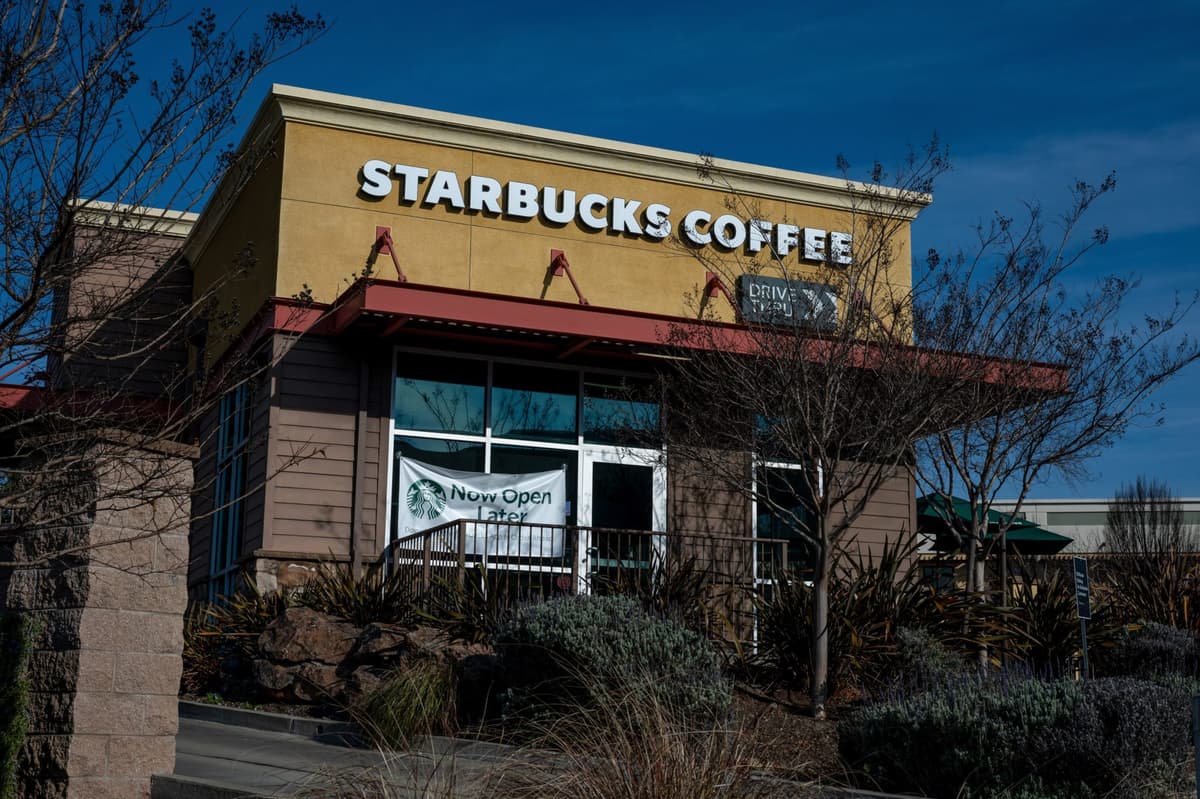
Starbucks Is Winning Customers Back After Investing $500 Million in Workers and Stores
Companies Mentioned
Why It Matters
The turnaround shows how strategic labor spending can directly lift sales, traffic and profitability, setting a benchmark for consumer‑focused retailers battling staffing shortages. It also signals that improved employee conditions can quickly translate into measurable financial gains.
Key Takeaways
- •Starbucks' U.S. comparable sales rose 7.1% in Q2
- •Invested $500 M in staffing, benefits, and store upgrades
- •Barista average total compensation reached $30/hour
- •Store traffic increased 4.4% as customers return
- •Quarterly profit rose alongside 9% revenue growth
Pulse Analysis
Starbucks’ latest earnings underscore a broader shift in retail: investing in people can be a catalyst for revenue growth. After a two‑year slump, the coffee giant poured half a billion dollars into hiring more baristas for peak periods, boosting wages to $30 per hour and expanding health, parental‑leave and education benefits. Those moves echo earlier wage hikes at Walmart and Target, which were credited with improving service quality and customer perception. By addressing chronic pain points—long lines, inconsistent drinks, and cramped spaces—Starbucks has re‑engineered the in‑store experience, driving a 4.4% lift in foot traffic and a 7.1% jump in comparable sales, well ahead of the 4.5% consensus.
The operational impact is evident in the numbers. With 95% of employees receiving preferred schedules and 98% of shifts filled, stores can allocate extra hands to order taking, complex beverage preparation and quality checks, reducing errors and wait times. The company also introduced performance‑based bonuses of up to $300 per quarter, incentivizing managers and baristas to meet sales and satisfaction targets. While the Starbucks Workers United union remains active, the uniform rollout of staffing and benefits across both union and non‑union locations suggests a strategic effort to neutralize labor friction and curb turnover, especially among store managers who now see higher retention rates.
Looking ahead, Starbucks’ model may become a playbook for other service‑oriented brands facing talent shortages. By coupling compensation upgrades with tangible operational improvements—such as faster service and upgraded store aesthetics—the chain has demonstrated that employee satisfaction can translate into a measurable competitive edge. If the trend continues, investors could see sustained earnings momentum, while the broader industry may feel pressure to match Starbucks’ labor‑centric approach to retain customers in an increasingly experience‑driven market.
Starbucks is winning customers back after investing $500 million in workers and stores
Comments
Want to join the conversation?
Loading comments...