Analysts: ‘Hollywood’s Vertical Video Strategy Is Dead Wrong’
Companies Mentioned
Why It Matters
The critique underscores a strategic blind spot: without original vertical content, media companies risk missing a fast‑growing mobile ad market and alienating Gen Z viewers.
Key Takeaways
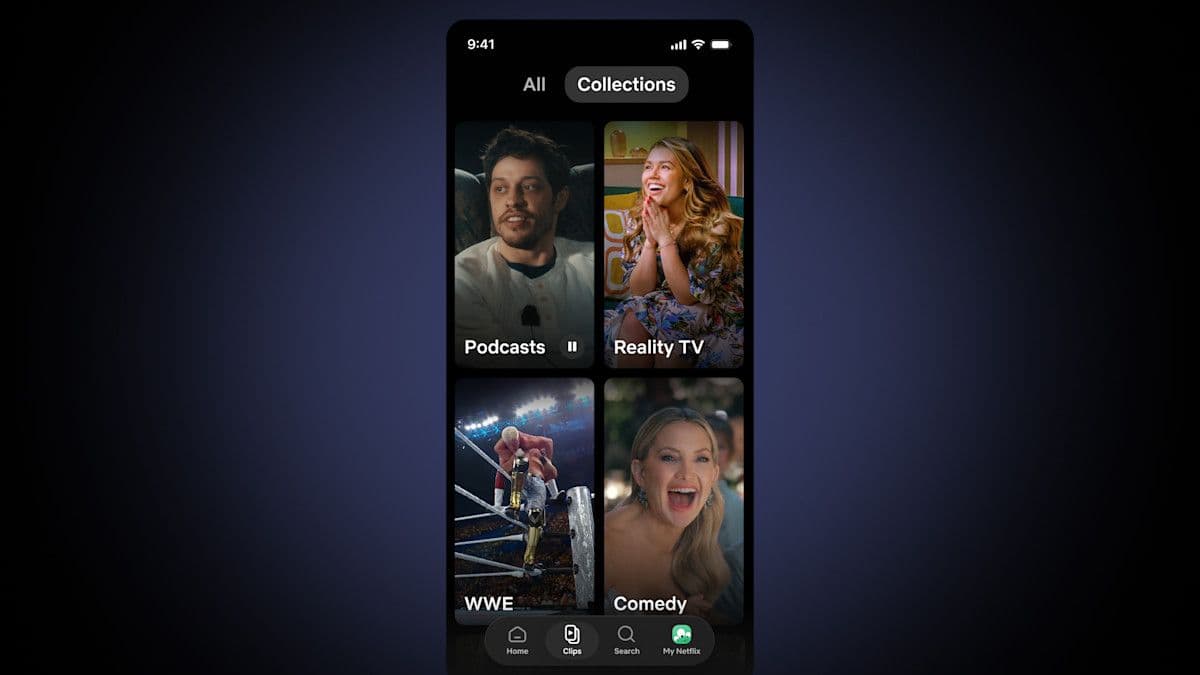
- •Netflix, Disney+, ESPN add vertical feeds to mobile apps
- •LightShed says repurposed clips miss original vertical content opportunity
- •AWS AI tools aim to automate vertical video production
- •Gen Z watches 88% of streaming on phones, prefers vertical format
- •Only CNN creates original vertical programming; others reformat poorly
Pulse Analysis
The mobile‑first generation has turned vertical video from a novelty into a dominant consumption mode. Recent data shows Gen Z spends 88 % of its streaming time on smartphones, and platforms such as TikTok have proven that short‑form, portrait‑oriented clips can capture attention for minutes on end. In response, legacy streaming services—Netflix, Disney+, ESPN, Peacock, Paramount+ and CNN—have rolled out vertical feeds within their native apps, hoping to tap the same ad‑friendly audience that fuels social media growth.
Analysts at LightShed Partners argue that the current strategy is fundamentally flawed. Their note points out that most providers are merely repurposing existing long‑form titles into bite‑size vertical clips, a practice that often results in poorly formatted graphics and unreadable text. Only CNN has invested in original, portrait‑native programming, while others such as ESPN and Paramount+ are criticized for shoddy re‑encoding. LightShed warns that without dedicated production budgets and storytelling tailored to the portrait canvas, vertical feeds will struggle to build repeat viewership or justify premium ad rates.
The gap creates an opening for technology firms to supply the missing creative engine. At the NAB Show, Amazon Web Services unveiled AI‑driven tools that can automatically re‑frame, caption and stylize footage for portrait screens, promising faster turnaround and lower costs. If studios pair these capabilities with genuine investment in vertical‑first concepts—interactive stories, short‑form news bites, or episodic series designed for swipe navigation—they could capture the lucrative mobile ad market that currently powers TikTok and Instagram. Until that synergy materializes, Hollywood’s vertical experiment will likely remain a peripheral feature rather than a revenue driver.
Analysts: ‘Hollywood’s Vertical Video Strategy Is Dead Wrong’
Comments
Want to join the conversation?
Loading comments...