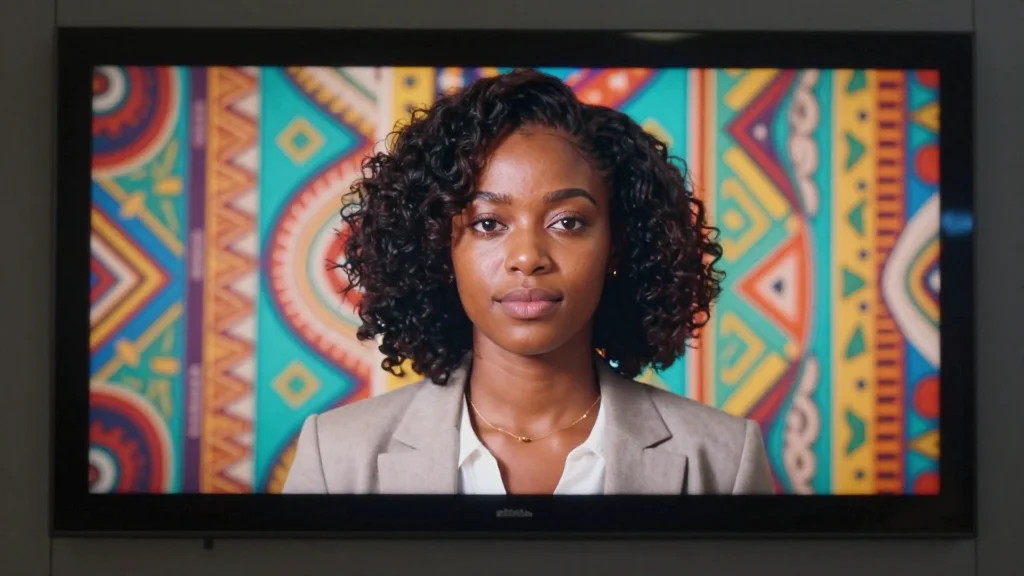
Black Representation Drives Brand Opportunities: Here’s What the Numbers Say
Companies Mentioned

Why It Matters
Inclusive representation directly influences purchase intent and brand loyalty among Black consumers, making it a critical driver of revenue and market share for brands targeting a diverse audience.
Key Takeaways
- •70% of Black shoppers will quit brands that devalue their community
- •66.6‑76% pay more attention to ads reflecting Black culture
- •Black streaming audience over‑indexes on YouTube (16.3%) vs overall (12.6%)
- •Black consumers watch five more hours of live TV each week
- •56.9% of Black‑Hispanic shoppers support creators sharing their identity
Pulse Analysis
Nielsen’s latest "The Black Influence" report quantifies a shift that marketers have long sensed: cultural relevance is no longer a nicety, it’s a performance metric. Between 66.6% and 76% of Black consumers say they engage more deeply with advertisements that mirror their lived experience, a stark contrast to the sub‑50% attention rate of the broader market. The data also shows a growing intolerance for brands perceived as dismissive—70% will stop buying from such companies, up four points from the previous year. These figures underscore the monetary weight of authenticity in an increasingly fragmented media landscape.
The implications for brands are immediate. Purchase behavior is swayed by values: 46% of Black shoppers have altered their buying habits based on a brand’s actions, climbing to 57% when the brand supports Black creators. This translates into measurable revenue risk for companies that ignore inclusive storytelling. Moreover, the creator economy amplifies this effect; Black‑Hispanic audiences are especially likely to champion creators who reflect their identity, offering a potent channel for brand‑aligned content that can drive both engagement and conversion.
Strategically, marketers should recalibrate media mixes to meet Black consumers where they congregate. YouTube captures 16.3% of the Black streaming audience versus 12.6% overall, while Tubi shows an even larger disparity. Coupled with five additional hours of live‑TV consumption per week, a hybrid approach that blends ad‑supported streaming, linear TV, and socially integrated campaigns can maximize reach. Crucially, authenticity must be baked into creative development—not merely a token visual cue but a sustained narrative that aligns brand values with community priorities, ensuring long‑term loyalty and market growth.
Black representation drives brand opportunities: Here’s what the numbers say
Comments
Want to join the conversation?
Loading comments...